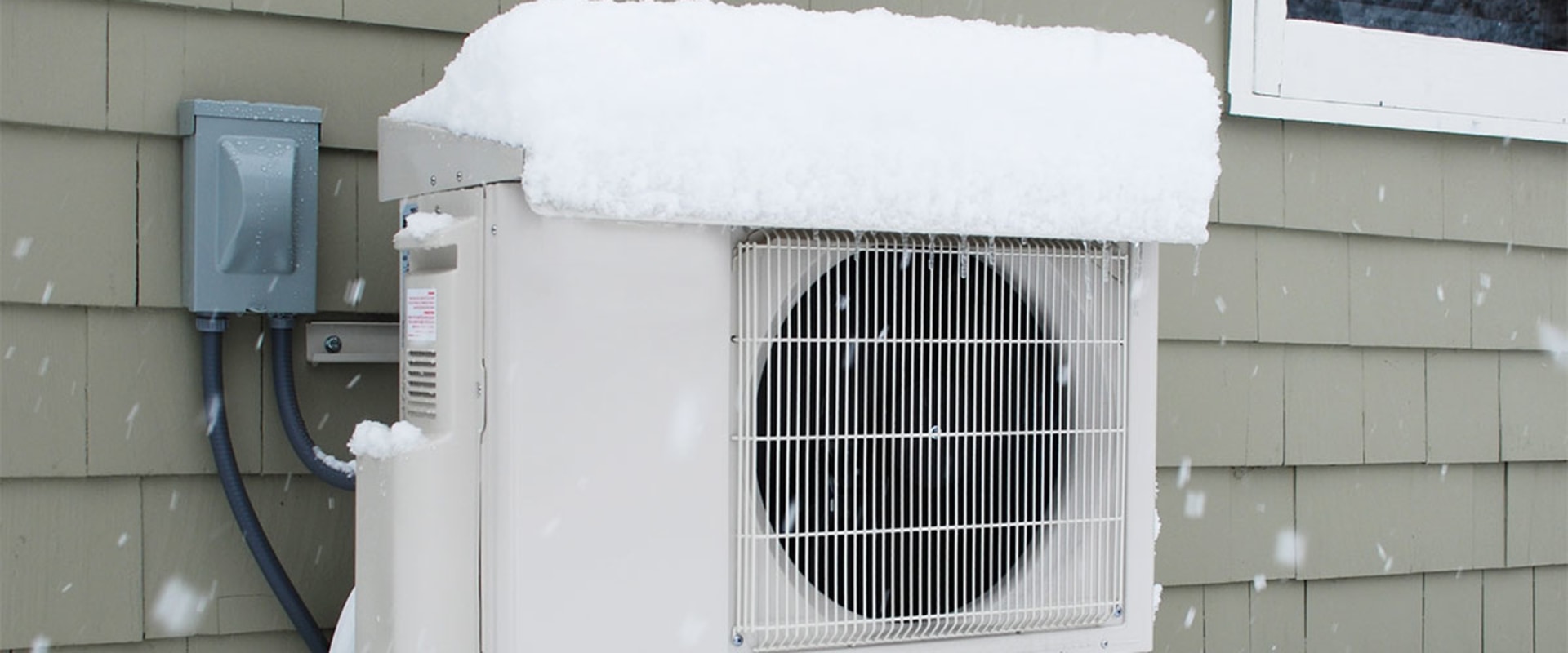
In today's world, the comfort of our indoor environments is largely dependent on the efficiency and reliability of HVAC systems. An HVAC system, which stands for Heating, Ventilation, and Air Conditioning, is a crucial component in maintaining a comfortable atmosphere within homes and commercial spaces. These systems are designed to regulate temperature, humidity, and air quality, ensuring that occupants can enjoy a pleasant living or working environment regardless of external weather conditions.The significance of HVAC systems extends beyond mere comfort; they play a vital role in enhancing indoor air quality and energy efficiency. A well-functioning HVAC system filters out pollutants and allergens, contributing to a healthier living space.
Moreover, modern HVAC technologies are engineered to optimize energy consumption, which not only reduces utility bills but also minimizes environmental impact. As such, investing in a high-quality HVAC system is not just about immediate comfort; it’s also about long-term sustainability and health.When considering the purchase of an HVAC system, timing becomes an essential factor. The market for HVAC services can fluctuate based on seasonal demand, technological advancements, and even economic conditions. Understanding these dynamics can empower consumers to make informed decisions that align with their budget and needs.
By recognizing the best times to buy an HVAC system, homeowners can take advantage of promotions and discounts that may not be available during peak seasons.In this article, we will delve deeper into the intricacies of HVAC systems, their importance in our daily lives, and the optimal timing for purchasing one. Whether you are upgrading an existing system or installing a new one, understanding these elements will help you navigate the complexities of the HVAC market with confidence.
Factors Influencing the Best Time to Buy an HVAC System
When considering the best time to buy an HVAC system, several factors come into play that can significantly influence both the timing and the price of your purchase. Understanding these elements can empower consumers to make informed decisions that align with their needs and budget.1.Seasonal Trends
- Spring and Fall: These transitional seasons are often regarded as the prime times for purchasing HVAC systems. During spring, homeowners are preparing for the warmer months, while fall brings a focus on heating systems.
As demand increases, manufacturers and retailers may offer promotions to attract buyers.
- Summer and Winter: Conversely, summer and winter are peak seasons for HVAC services, leading to higher prices due to increased demand. Many homeowners find themselves in urgent need of repairs or replacements during extreme weather conditions, which can limit their negotiating power.
2.Market Demand
The overall demand for HVAC systems can fluctuate based on various factors, including local climate conditions and economic trends. For instance, if a region experiences an unusually hot summer or a cold winter, the demand for new systems may surge, driving prices up. Conversely, in milder years, you might find better deals as competition among retailers increases.
3.Economic Conditions
The state of the economy also plays a crucial role in determining the best time to invest in an HVAC system.
During economic downturns, manufacturers may lower prices to stimulate sales, making it an opportune time for consumers to purchase. Additionally, financing options may become more favorable during these periods, allowing homeowners to invest without straining their budgets.
4.Technological Advancements
As technology evolves, new HVAC models are frequently introduced to the market. Keeping an eye on upcoming releases can help you time your purchase effectively. Often, when new models are launched, older models may see price reductions as retailers aim to clear inventory.By considering these factors—seasonal trends, market demand, economic conditions, and technological advancements—you can strategically plan your HVAC purchase to maximize savings and ensure you select a system that meets your needs effectively.
Seasonal Trends: When Are HVAC Prices Lowest?
Understanding the seasonal trends in HVAC pricing can significantly impact your purchasing decision.Generally, HVAC prices fluctuate throughout the year, influenced by demand, weather conditions, and manufacturer promotions. Knowing when to buy can help you save money while ensuring you get a reliable system.
Winter Discounts on HVAC Systems
Many homeowners believe that winter is the worst time to purchase an HVAC system due to the cold weather. However, this season often presents unique opportunities for savings. During winter months, demand for new installations typically decreases as most people are focused on heating their homes rather than upgrading their systems.
As a result, HVAC contractors may offer discounts or special promotions to encourage sales during this slower period.Additionally, manufacturers may reduce prices on older models to make way for new inventory in the spring. This means that savvy shoppers can find excellent deals on high-quality systems that are still efficient and reliable.
Spring and Summer: Peak Season Pricing
As temperatures rise in spring and summer, so does the demand for HVAC services. Homeowners often rush to replace or upgrade their systems before the heat sets in, leading to higher prices. During these peak months, you may find that installation costs increase due to the high volume of requests and limited availability of technicians.If you are considering a purchase during this time, be prepared for potential price hikes and limited options.
It’s advisable to plan ahead and consider making your purchase before the peak season begins.
Fall: A Transitional Period
The fall season can be a mixed bag when it comes to HVAC pricing. As summer ends and temperatures begin to drop, many homeowners start thinking about heating solutions. This transitional period can lead to fluctuating prices as demand begins to rise again. However, if you act early in the fall before the rush begins, you might still find competitive pricing.In summary, while winter often offers some of the best deals on HVAC systems due to lower demand and potential discounts from manufacturers, it’s essential to consider your specific needs and timing.
By understanding these seasonal trends, you can make a more informed decision about when to invest in your next HVAC system.
The Role of Promotions and Rebates in HVAC Purchases
When considering the purchase of a new HVAC system, understanding the impact of promotions and rebates can significantly influence your decision-making process. Many manufacturers and local HVAC service providers offer various financial incentives that can make upgrading your system more affordable.Promotions
are often seasonal, aligning with peak sales periods or product launches. For instance, during the spring and fall, when homeowners are more likely to consider HVAC upgrades, companies may roll out special discounts or financing options. These promotions can include reduced prices on specific models, free installation services, or bundled offers that combine multiple HVAC services at a lower rate.In addition to seasonal promotions, many utility companies provide rebates for HVAC systems that meet energy efficiency standards.
These rebates are designed to encourage homeowners to invest in energy-efficient models that reduce overall energy consumption. By purchasing a qualifying system, you could receive a rebate that significantly lowers your upfront costs. It’s essential to check with your local utility provider for specific programs available in your area.Moreover, federal and state governments often offer tax credits for energy-efficient HVAC systems. These credits can further enhance the affordability of your purchase.
For example, if you install a system that meets certain efficiency criteria, you may be eligible for a tax deduction when filing your annual taxes.
Financing options
also play a crucial role in making HVAC purchases more manageable. Many HVAC companies provide flexible financing plans that allow you to spread the cost of your new system over several months or years. This can be particularly beneficial if you encounter unexpected expenses or if you want to avoid a large upfront payment. Look for companies that offer 0% interest financing for a specified period, as this can help you manage your budget effectively while still investing in a quality HVAC system.In conclusion, taking advantage of promotions, rebates, and financing options can significantly reduce the financial burden of purchasing a new HVAC system.
By timing your purchase strategically and researching available incentives, you can ensure that you make an informed decision that aligns with both your comfort needs and budgetary constraints.
Signs That It’s Time to Replace Your HVAC System
Understanding when to replace your HVAC system is crucial for maintaining a comfortable home environment and ensuring energy efficiency. Here are some key indicators that suggest it may be time to invest in a new system:- Age of the System: Most HVAC systems have a lifespan of about 15 to 20 years. If your system is approaching or has surpassed this age, it may be time to consider a replacement. Older systems tend to be less efficient and more prone to breakdowns.
- Frequent Repairs: If you find yourself calling for HVAC services more often than usual, it could indicate that your system is failing.
Frequent repairs can add up quickly, and investing in a new system may save you money in the long run.
- Increased Energy Bills: A sudden spike in your energy bills can be a sign that your HVAC system is no longer operating efficiently. As systems age, they often lose their ability to heat or cool effectively, leading to higher energy consumption.
- Inconsistent Temperatures: If certain rooms in your home are consistently warmer or cooler than others, it may indicate that your HVAC system is struggling to maintain even temperatures. This inconsistency can be a sign of an aging or failing unit.
- Noisy Operation: Unusual noises such as grinding, squealing, or banging can signal mechanical issues within your HVAC system. These sounds often indicate that components are wearing out and may require replacement.
- Humidity Issues: An effective HVAC system should regulate humidity levels in your home.
If you notice excessive humidity or dryness, it could mean that your system is not functioning properly and may need replacement.
- Presence of Dust and Allergens: If you find an increase in dust accumulation or allergens in your home, it could be due to an inefficient HVAC system. A failing unit may not filter air properly, leading to poor indoor air quality.
How to Choose the Right Time Based on Your Location
When considering the best time to purchase an HVAC system, it is crucial to take into account your geographical location and the specific climate conditions that prevail in your area. Different regions experience varying weather patterns, which can significantly influence both the demand for HVAC systems and the pricing strategies of local HVAC services.Regional Differences in HVAC Purchases
- Northern Regions: In colder climates, such as the northern United States, homeowners often prioritize heating systems during the fall and winter months.
This seasonal demand can lead to higher prices as homeowners rush to install or upgrade their systems before the cold sets in. However, purchasing during the late winter or early spring can yield better deals as demand decreases.
- Southern Regions: Conversely, in warmer climates, such as the southern states, air conditioning units are in high demand during the summer months. This peak season can drive prices up. Therefore, buying an HVAC system in late fall or early spring may provide significant savings as companies look to clear out inventory before the next peak season.
Climate Impact on HVAC Buying Decisions
The climate not only affects when you should buy but also what type of system you should consider.
For instance, areas with extreme temperature fluctuations may benefit from a dual-system approach that includes both heating and cooling capabilities. Understanding your local climate can help you make a more informed decision about which system will best meet your needs.
Local Market Trends for HVAC Services
In addition to climate considerations, local market trends play a significant role in determining the best time to purchase an HVAC system. Researching local HVAC services can provide insights into when promotions or discounts are typically offered. Many companies run seasonal sales or offer financing options during slower months to attract customers.
Keeping an eye on these trends can help you time your purchase effectively.Furthermore, engaging with local contractors and reading reviews can give you a sense of their availability and responsiveness during different seasons. A contractor's workload can vary significantly throughout the year, impacting their pricing and service quality.In summary, understanding how your location and climate influence HVAC purchasing decisions is essential for making a smart investment. By considering regional differences, climate impacts, and local market trends, you can strategically choose the right time to purchase your new HVAC system.
Frequently Asked Questions About Purchasing an HVAC System
When considering the purchase of a new HVAC system, many consumers have questions that can significantly impact their decision-making process. Below are some of the most frequently asked questions regarding HVAC systems, along with detailed answers to help guide your purchase.What factors should I consider when buying an HVAC system?
Several key factors should influence your decision:- Size: Ensure the system is appropriately sized for your home.
An oversized unit can lead to inefficiency and increased energy costs, while an undersized unit may struggle to maintain comfortable temperatures.
- Energy Efficiency: Look for systems with high SEER (Seasonal Energy Efficiency Ratio) ratings. Higher ratings indicate better energy efficiency, which can save you money on utility bills in the long run.
- Type of System: Decide between central air conditioning, ductless mini-splits, or heat pumps based on your home’s layout and your specific heating and cooling needs.
- Brand Reputation: Research different brands and read reviews. Some manufacturers are known for their reliability and customer service.
When is the best time to buy an HVAC system?
The ideal time to purchase an HVAC system is typically during the off-peak seasons, which are late fall and early spring. During these times, demand is lower, and many HVAC services offer discounts or promotions to attract customers.Additionally, purchasing during these months allows for better scheduling flexibility for installation.
How do I know if I need a new HVAC system?
Signs that it may be time to replace your HVAC system include:- Age: If your system is over 10-15 years old, it may be more cost-effective to replace it rather than continue with repairs.
- Increased Energy Bills: A sudden spike in energy costs can indicate that your system is no longer operating efficiently.
- Noisy Operation: Unusual sounds such as banging or grinding can signal mechanical issues that may warrant replacement.
What financing options are available for purchasing an HVAC system?
Many HVAC services offer financing plans that allow you to pay for your new system over time. Options may include:- Installment Plans: Spread the cost over several months or years with fixed monthly payments.
- Credit Cards: Some homeowners choose to use credit cards with promotional financing offers.
- Manufacturer Financing: Certain manufacturers provide financing options directly through their dealers.
Conclusion: Making an Informed Decision on Your HVAC Purchase
In conclusion, making an informed decision about your HVAC purchase is crucial for both your comfort and your budget. Throughout this article, we have explored various factors that influence the timing of your HVAC system purchase, emphasizing the importance of understanding seasonal trends, market fluctuations, and the specific needs of your home.One of the key takeaways is that while many homeowners believe that purchasing an HVAC system during the winter months will yield the best prices, this is not always the case. The demand for HVAC services can vary significantly throughout the year, and understanding these patterns can help you identify the most advantageous time to buy.For instance, late spring and early fall often present opportunities for discounts as contractors look to fill their schedules before peak seasons.Additionally, it’s essential to consider the long-term implications of your purchase. Investing in a high-quality HVAC system can lead to significant energy savings over time, making it a wise financial decision regardless of when you buy. Furthermore, taking advantage of manufacturer rebates and local incentives can further enhance your savings.Before making a final decision, it’s advisable to conduct thorough research on different HVAC systems and their efficiency ratings. Consulting with reputable HVAC services can provide valuable insights tailored to your specific situation.
They can help you assess your home’s heating and cooling needs, ensuring that you select a system that not only fits your budget but also meets your comfort requirements.Ultimately, timing is just one piece of the puzzle when it comes to purchasing an HVAC system. By combining strategic timing with informed choices about system quality and efficiency, you can ensure that your investment pays off in both comfort and cost savings for years to come.