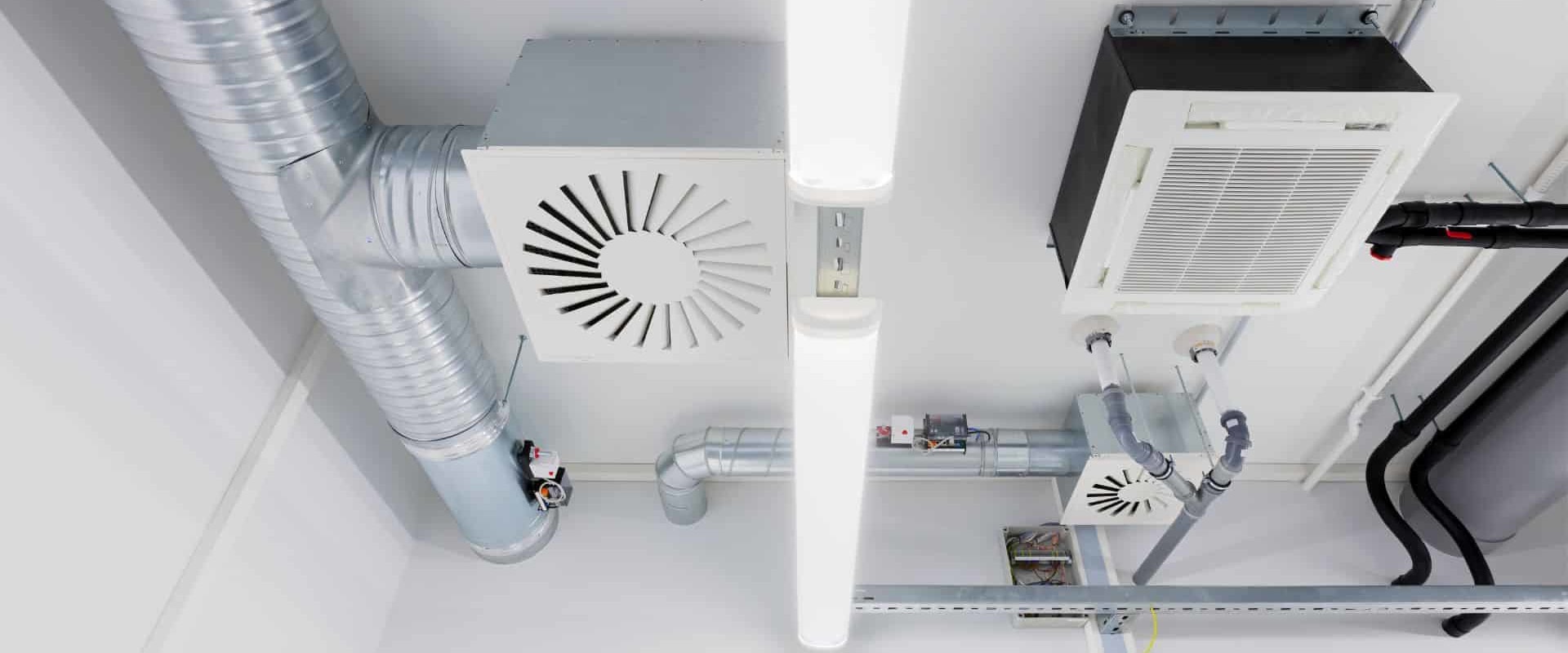
In today's world, maintaining a comfortable indoor environment is essential for both residential and commercial spaces. This is where the concepts of air conditioning (AC) and heating, ventilation, and air conditioning (HVAC) come into play. While many people may use these terms interchangeably, understanding their distinct roles is crucial for making informed decisions about your climate control needs. Whether you're looking to cool down during the sweltering summer months or ensure a warm haven in the winter, knowing the differences between AC and HVAC can help you choose the right system for your specific requirements.At its core, AC refers specifically to systems designed to lower indoor temperatures.
These systems can range from simple window units to more complex central air conditioning setups. Their primary function is to remove heat from the air inside a building, providing a cooler and more comfortable atmosphere. On the other hand, HVAC encompasses a broader spectrum of technologies that not only include cooling but also heating and ventilation. This means that an HVAC system can manage temperature fluctuations throughout the year while also ensuring proper air quality by circulating fresh air.The distinction between AC and HVAC becomes particularly important when considering HVAC services.
These services often involve comprehensive maintenance and repair of systems that integrate heating, cooling, and ventilation functions. Understanding these differences allows homeowners and business owners alike to make better choices regarding installation, maintenance, and energy efficiency. As we delve deeper into this guide, we will explore the various components of each system, their operational mechanisms, and how they contribute to creating a healthy indoor environment.
Defining AC: Air Conditioning Systems
Air conditioning (AC) is a technology that plays a crucial role in maintaining comfortable indoor environments, particularly during hot weather. At its core, air conditioning refers to the process of removing heat and humidity from the air inside a building, thereby creating a cooler and more pleasant atmosphere.Understanding the different types of AC systems and how they operate is essential for homeowners and businesses alike.
Types of Air Conditioning Systems
- Window Units: These are compact systems designed to fit into a window frame. They are ideal for cooling single rooms and are often more affordable than central systems. Window units are easy to install and can be removed when not in use.
- Split Systems: A split AC system consists of two main components: an indoor unit and an outdoor compressor. This type of system is more efficient than window units and can cool multiple rooms or larger spaces.
Split systems are popular in homes where ductwork is not feasible.
- Central Air Conditioning: Central AC systems use a network of ducts to distribute cooled air throughout an entire building. This type of system is ideal for larger homes or commercial spaces, providing consistent cooling across multiple rooms.
- Portable Air Conditioners: These units can be moved from room to room and do not require permanent installation. They are suitable for renters or those who need temporary cooling solutions.
- Ductless Mini-Split Systems: Similar to split systems, these units do not require ductwork. They consist of an outdoor compressor and one or more indoor air-handling units, allowing for targeted cooling in specific areas.
How Air Conditioning Works
The operation of an air conditioning system involves several key components working together to cool indoor air:- Thermostat: The process begins with a thermostat that detects the indoor temperature.
When the temperature rises above the set point, the thermostat signals the AC system to activate.
- Refrigerant Cycle: The heart of an AC system is its refrigerant, a fluid that absorbs heat from the indoor air. The refrigerant circulates through coils inside the unit, where it evaporates and absorbs heat.
- Compressor: The compressor pumps the refrigerant to the outdoor unit, where it releases the absorbed heat into the outside air. This process cools the refrigerant, which then returns indoors to repeat the cycle.
- Air Distribution: Cooled air is then circulated back into the living space through vents or ducts, lowering the overall temperature and improving comfort.
Understanding HVAC: Heating, Ventilation, and Air Conditioning
To fully grasp the concept of HVAC, it is essential to break down its three core components: heating, ventilation, and air conditioning.Each of these elements plays a vital role in creating a comfortable indoor environment, and understanding how they work together can help you appreciate the complexity and efficiency of HVAC systems.
What is HVAC?
HVAC stands for Heating, Ventilation, and Air Conditioning. It refers to the technology used to control the temperature, humidity, and air quality in residential and commercial buildings. The primary goal of an HVAC system is to provide thermal comfort and acceptable indoor air quality. This is achieved through a combination of heating and cooling processes, along with proper ventilation.Components of HVAC
An HVAC system consists of several key components that work in unison:- Heating: This component typically includes furnaces, heat pumps, or boilers that generate heat to warm indoor spaces.
Furnaces can run on various fuel sources such as natural gas, oil, or electricity.
- Ventilation: Ventilation systems are responsible for exchanging stale indoor air with fresh outdoor air. This process helps maintain air quality by reducing pollutants and controlling humidity levels. Ventilation can be natural (through windows and vents) or mechanical (using fans and ductwork).
- Air Conditioning: The air conditioning component cools indoor spaces by removing heat from the air. This is typically achieved through refrigerant-based systems that absorb heat from inside and release it outside.
How HVAC Works
The operation of an HVAC system begins with a thermostat that monitors the indoor temperature.When the temperature deviates from the set point, the thermostat signals the system to activate either heating or cooling functions. In heating mode, the furnace or heat pump generates warmth, which is then distributed throughout the building via ductwork or radiators. Conversely, in cooling mode, the air conditioning unit removes heat from the indoor air using a refrigerant cycle.Ventilation plays a crucial role in this process by ensuring that fresh air circulates within the space. Proper ventilation not only enhances comfort but also helps mitigate issues such as mold growth and indoor air pollution.In summary, understanding HVAC involves recognizing how heating, ventilation, and air conditioning components interact to create a comfortable living or working environment.
By maintaining these systems properly and ensuring they are well-integrated, you can achieve optimal performance and energy efficiency in your home or business.
Key Differences Between AC and HVAC Systems
Understanding the differences between AC and HVAC systems is crucial for homeowners looking to optimize their indoor climate control. While both systems serve the purpose of regulating temperature, they do so in fundamentally different ways.Functionality
: The primary distinction lies in their functionality. An AC system is solely designed for cooling. It works by removing heat from the indoor air and expelling it outside, thus lowering the temperature within a space.
In contrast, an HVAC system integrates heating, ventilation, and air conditioning into one cohesive unit. This means that HVAC systems can not only cool but also heat spaces, making them versatile for year-round climate control.
Components
: The components of these systems further highlight their differences. An AC unit typically consists of a compressor, evaporator coil, and condenser coil. These components work together to circulate refrigerant and cool the air.
On the other hand, an HVAC system includes all the components of an AC unit but adds heating elements such as furnaces or heat pumps, as well as ventilation systems that ensure proper air exchange and filtration.
Benefits of HVAC Over AC
: One of the significant advantages of choosing an HVAC system over a standalone AC unit is its ability to provide comprehensive climate control. With HVAC services, homeowners can enjoy:
- Year-Round Comfort: HVAC systems can efficiently heat and cool your home, eliminating the need for separate systems.
- Improved Air Quality: The ventilation component of HVAC systems helps filter and circulate fresh air, reducing indoor pollutants.
- Energy Efficiency: Modern HVAC systems are designed to be energy-efficient, potentially lowering utility bills compared to older AC units.
When to Choose HVAC Services
: Homeowners should consider opting for HVAC services when:
- They require both heating and cooling solutions for their home.
- They want to improve indoor air quality through proper ventilation.
- They are looking for a long-term investment that offers energy efficiency and comfort.
The Role of Ventilation in HVAC Systems
Ventilation plays a crucial role in the overall functionality of HVAC systems, significantly impacting both indoor air quality and energy efficiency. Proper ventilation ensures that fresh air circulates throughout a building, replacing stale air and reducing the concentration of indoor pollutants.One of the primary functions of ventilation is to maintain a healthy indoor environment. Without adequate ventilation, harmful substances such as carbon dioxide, volatile organic compounds (VOCs), and other allergens can accumulate, leading to poor air quality.This can result in various health issues, including respiratory problems, headaches, and fatigue. Therefore, understanding how ventilation works within HVAC systems is essential for creating a safe and comfortable living or working space.
How Ventilation Works in HVAC Systems
In an HVAC system, ventilation can be achieved through several methods:- Natural Ventilation: This method relies on natural forces such as wind and temperature differences to circulate air. Open windows and vents allow fresh air to enter while stale air exits.
- Mechanical Ventilation: This involves the use of fans and ductwork to actively move air in and out of a building. Mechanical systems can be designed to provide controlled ventilation, ensuring that the right amount of fresh air is introduced based on occupancy levels.
- Balanced Ventilation: This approach combines both supply and exhaust systems to maintain equal airflow in and out of the building.
It helps prevent pressure imbalances that can lead to drafts or moisture issues.
The Importance of Indoor Air Quality
Maintaining high indoor air quality is not just about comfort; it also affects productivity and well-being. Studies have shown that improved ventilation can lead to better cognitive function and reduced absenteeism in workplaces. In residential settings, good air quality contributes to a healthier home environment for families.Moreover, effective ventilation can enhance the efficiency of HVAC systems.By ensuring that fresh air is consistently circulated, these systems do not have to work as hard to maintain desired temperatures, leading to lower energy consumption and reduced utility bills.In conclusion, the role of ventilation in HVAC systems cannot be overstated. It is essential for maintaining indoor air quality, promoting health, and improving energy efficiency. Homeowners and business operators should prioritize proper ventilation strategies when designing or upgrading their HVAC systems to ensure a comfortable and safe environment.
Energy Efficiency: Comparing AC and HVAC Systems
When it comes to energy efficiency, understanding the differences between air conditioning (AC) systems and heating, ventilation, and air conditioning (HVAC) systems is crucial for homeowners and businesses alike. Both systems play a significant role in maintaining comfortable indoor environments, but their energy consumption and efficiency can vary widely.Energy Efficiency of AC Systems
Traditional AC units are designed primarily for cooling.
While they can effectively lower indoor temperatures, they often do so at the expense of energy efficiency. Many older models operate on outdated technology, leading to higher electricity bills during peak summer months. However, modern AC units have made significant strides in energy efficiency, with many now featuring SEER (Seasonal Energy Efficiency Ratio) ratings that help consumers gauge their performance. A higher SEER rating indicates a more efficient unit, which can lead to substantial savings over time.
Energy Efficiency of HVAC Systems
In contrast, HVAC systems are designed to provide comprehensive climate control, including heating, cooling, and ventilation.
This multifaceted approach allows HVAC systems to optimize energy use more effectively than standalone AC units. For instance, many HVAC systems utilize variable speed technology, which adjusts the system's output based on current demand. This means that rather than running at full capacity all the time, the system can operate at lower speeds when less heating or cooling is needed, resulting in lower energy consumption.
Cost Savings with HVAC Services
Investing in HVAC services can lead to significant cost savings in the long run. Although the initial installation costs may be higher than that of a basic AC unit, the energy efficiency of an HVAC system often translates into lower utility bills.
Additionally, many HVAC systems qualify for energy efficiency rebates and tax credits, further offsetting installation costs. Regular maintenance services provided by HVAC professionals can also enhance system performance and longevity, ensuring that your investment continues to pay off.
Eco-Friendly Cooling Options
As environmental concerns grow, many homeowners are seeking eco-friendly cooling options within their HVAC systems. Technologies such as geothermal heat pumps and solar-powered air conditioning are becoming increasingly popular. These systems not only reduce reliance on fossil fuels but also significantly lower greenhouse gas emissions.
By choosing eco-friendly options through reputable HVAC services, consumers can contribute to a more sustainable future while enjoying the benefits of efficient climate control.In summary, while both AC and HVAC systems serve essential roles in temperature regulation, HVAC systems generally offer superior energy efficiency and cost savings over time. By considering modern technologies and eco-friendly options available through professional HVAC services, homeowners can make informed decisions that benefit both their wallets and the environment.
Common Misconceptions About AC and HVAC Services
When it comes to understanding HVAC services and air conditioning, several misconceptions can cloud judgment and lead to poor decision-making. Addressing these myths is crucial for homeowners and business owners alike, as it can significantly impact their comfort and energy efficiency.Myth 1: AC and HVAC Are the Same
One of the most prevalent misconceptions is that air conditioning (AC) and heating, ventilation, and air conditioning (HVAC) are interchangeable terms. While both systems are integral to climate control, they serve different purposes.
AC specifically refers to cooling systems, whereas HVAC encompasses a broader range of services, including heating and ventilation. Understanding this distinction is essential for selecting the right system for your needs.
Myth 2: HVAC Systems Are Only for Large Spaces
Another common myth is that HVAC systems are only necessary for large commercial buildings. In reality, HVAC systems can be tailored to fit any size space, from small apartments to expansive homes. Modern technology allows for efficient solutions that cater to various square footage and layouts, making them accessible for residential use as well.
Myth 3: Regular Maintenance Isn’t Necessary
Some people believe that once an AC or HVAC system is installed, it requires little to no maintenance.
This is far from the truth. Regular maintenance is vital for ensuring optimal performance and longevity of your system. Neglecting routine check-ups can lead to decreased efficiency, higher energy bills, and costly repairs down the line.
Myth 4: All HVAC Services Are the Same
Not all HVAC services are created equal. Different companies may offer varying levels of expertise, service quality, and pricing structures.
It’s essential to research and choose a reputable service provider with a proven track record in your area. Reading reviews and asking for recommendations can help you find a trustworthy contractor.
Myth 5: Higher Efficiency Means Higher Costs
Many homeowners assume that investing in a high-efficiency HVAC system will break the bank. However, while the initial cost may be higher, these systems often lead to significant savings on energy bills over time. Additionally, many utility companies offer rebates or incentives for upgrading to energy-efficient models, making them more affordable in the long run.By debunking these common myths about AC and HVAC services, individuals can make more informed decisions regarding their heating and cooling needs.
Understanding the facts helps ensure that you choose the right system and maintain it properly for optimal comfort and efficiency.
Choosing the Right System for Your Home or Business
When it comes to selecting the right system for your home or business, understanding the differences between an air conditioning (AC) unit and a comprehensive heating, ventilation, and air conditioning (HVAC) system is crucial. The decision should be based on several factors that align with your specific needs, budget, and the unique characteristics of your space.1.Assess Your Climate:
The first step in choosing between AC and HVAC is to consider the climate in your area. If you live in a region with extreme temperatures, both hot and cold, an HVAC system may be more beneficial. It provides both heating and cooling solutions, ensuring comfort year-round.
Conversely, if your climate is predominantly warm with mild winters, a standalone AC unit might suffice.
2.Evaluate Your Space:
The size and layout of your home or business play a significant role in your decision. Larger spaces may require the comprehensive capabilities of an HVAC system to effectively manage temperature and air quality. In contrast, smaller areas might only need an AC unit to maintain comfort.
3.Consider Energy Efficiency:
Energy efficiency is another critical factor. HVAC systems often come with advanced technology that can optimize energy use, potentially leading to lower utility bills over time.
Look for systems with high SEER (Seasonal Energy Efficiency Ratio) ratings for AC units or HSPF (Heating Seasonal Performance Factor) ratings for heat pumps in HVAC systems.
4.Budget Constraints:
Your budget will also influence your choice. While HVAC systems typically have a higher upfront cost due to their complexity and additional components, they can offer long-term savings through energy efficiency and reduced maintenance costs. On the other hand, if you are on a tight budget, investing in a reliable AC unit may be the more feasible option.
5.Professional HVAC Services Advice:
Consulting with professional HVAC services can provide invaluable insights tailored to your specific situation. Experts can assess your property, discuss your needs, and recommend the best system based on their experience and knowledge of current technologies.Ultimately, whether you choose an AC unit or an HVAC system depends on a combination of these factors.
Taking the time to evaluate your options will ensure that you make an informed decision that enhances comfort and efficiency in your home or business.
Maintenance Tips for AC and HVAC Systems
Maintaining your AC and HVAC systems is essential for ensuring they operate efficiently and have a long lifespan. Regular maintenance not only helps in avoiding costly repairs but also enhances energy efficiency, which can lead to lower utility bills. Here are some practical tips to keep your systems running smoothly:- Change or Clean Filters Regularly: One of the simplest yet most effective maintenance tasks is to check and replace or clean the air filters. Clogged filters restrict airflow, making your system work harder and less efficiently.
Aim to check your filters every month and replace them every 1-3 months, depending on usage.
- Inspect Ductwork: For HVAC systems, ensure that the ductwork is free from obstructions and leaks. Sealing any leaks can significantly improve efficiency. Consider having a professional inspect your ducts every few years.
- Clean the Outdoor Unit: If you have a central AC or HVAC system, keep the outdoor unit clear of debris such as leaves, dirt, and grass clippings. This ensures proper airflow and prevents overheating.
- Schedule Professional Maintenance: At least once a year, have a qualified technician perform a comprehensive inspection of your system.
They can identify potential issues before they become major problems and ensure that all components are functioning correctly.
- Check Thermostat Settings: Ensure that your thermostat is functioning properly and set to the desired temperature. Consider upgrading to a programmable thermostat for better energy management.
- Monitor System Performance: Pay attention to how your system operates. If you notice unusual noises, reduced airflow, or inconsistent temperatures, it may be time to call in a professional.
- Clear Condensate Drain Lines: For both AC and HVAC systems, ensure that the condensate drain lines are clear of blockages. A clogged drain can lead to water damage and mold growth.
Regular upkeep not only saves money in the long run but also contributes to a comfortable indoor environment.
Conclusion: Making Informed Decisions About Your Cooling Needs
In summary, understanding the distinctions between AC and HVAC services is crucial for making informed decisions regarding your home or business's climate control needs. While both systems play a vital role in maintaining comfortable indoor environments, they serve different purposes and offer varying functionalities.As we have explored, AC systems are primarily focused on cooling, utilizing refrigerants to lower indoor temperatures. In contrast, HVAC systems provide a comprehensive solution that includes heating, cooling, and ventilation. This multifaceted approach not only enhances comfort but also improves air quality by ensuring a steady exchange of indoor and outdoor air.When considering which system to install or upgrade, it is essential to evaluate your specific requirements:- Climate: If you live in an area with extreme temperatures, an HVAC system may be more beneficial as it can provide both heating and cooling.
- Space Size: Larger spaces may require the efficiency of an HVAC system to manage temperature fluctuations effectively.
- Air Quality Needs: If air quality is a concern, an HVAC system's ventilation capabilities can help filter out pollutants and allergens.
- Budget: Consider the initial investment and long-term operational costs.
While HVAC systems may have a higher upfront cost, they can lead to savings on energy bills over time.