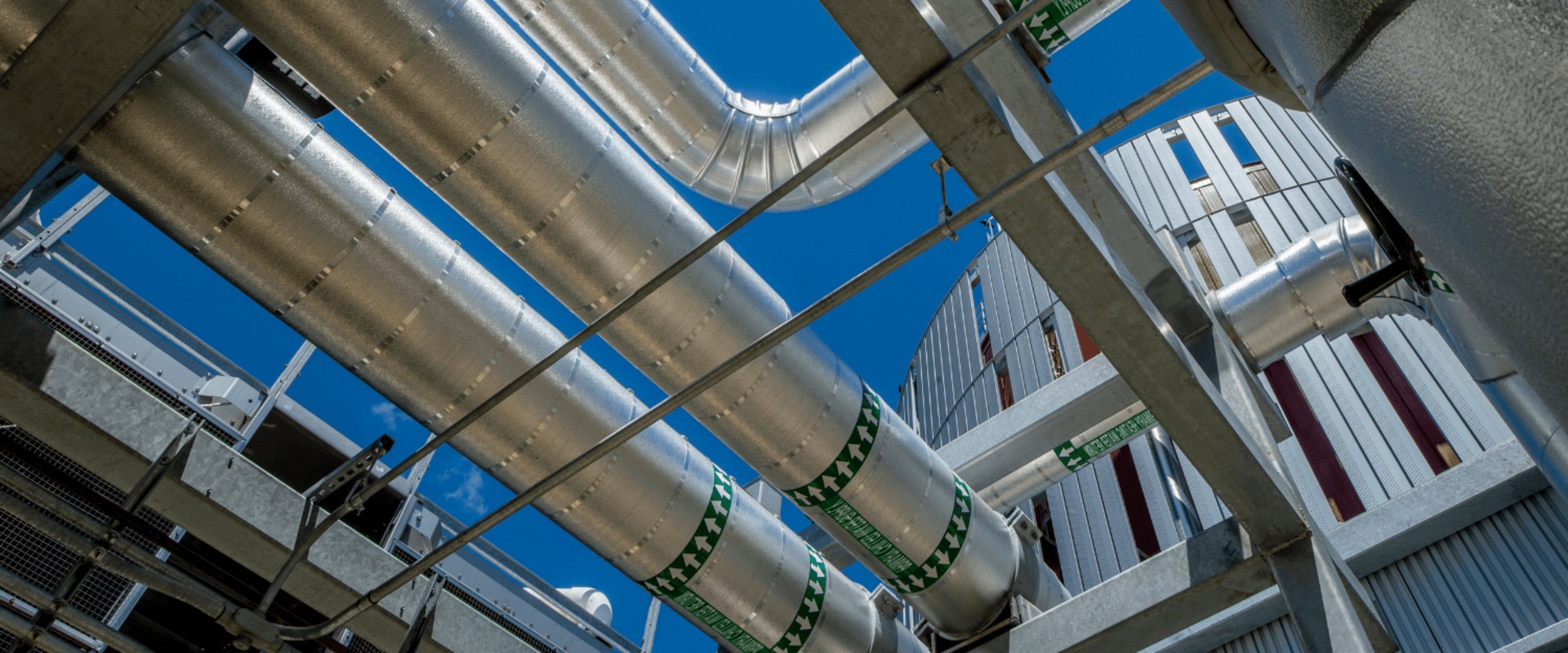
In the modern world, the significance of HVAC systems cannot be overstated. These systems, which encompass heating, ventilation, and air conditioning, are essential for maintaining a comfortable indoor environment in residential, commercial, and industrial settings. As buildings become more energy-efficient and technologically advanced, the role of HVAC services has evolved to meet the growing demands for comfort, air quality, and sustainability. Understanding the fundamentals of HVAC systems is crucial for anyone looking to appreciate their impact on our daily lives.At their core, HVAC systems are designed to regulate indoor temperatures and air quality.
They achieve this through a combination of heating units, cooling systems, and ventilation mechanisms that work together to create a balanced atmosphere. The importance of these systems extends beyond mere comfort; they play a vital role in enhancing energy efficiency and reducing environmental footprints. With rising energy costs and increasing awareness of climate change, consumers are more inclined to invest in HVAC services that prioritize sustainability and efficiency.Moreover, the integration of smart technology into HVAC systems has revolutionized how we interact with our indoor environments. Smart thermostats and automated controls allow users to optimize their energy consumption while ensuring that their spaces remain comfortable year-round.
This technological advancement not only contributes to lower utility bills but also supports broader efforts to reduce greenhouse gas emissions. As we delve deeper into the evolution of HVAC systems, it becomes clear that their importance will only continue to grow in the face of changing environmental conditions and consumer expectations.
A Brief History of HVAC Systems
The history of HVAC systems is a fascinating journey that reflects the evolution of technology and the growing understanding of climate control. The roots of HVAC can be traced back to ancient civilizations, where early forms of heating and cooling were developed to enhance comfort in living spaces.Ancient Innovations
- In ancient Rome, hypocaust systems were used to heat public baths and homes. This system involved circulating hot air beneath the floors and through walls, showcasing an early understanding of thermal dynamics.
- The Chinese also contributed to early HVAC development with their use of kangs, heated brick beds that utilized wood fires to warm living spaces.
The Industrial Revolution
The real turning point for HVAC systems came during the Industrial Revolution in the 19th century.
The introduction of mechanical systems transformed how buildings were heated and cooled:
- In 1820, William Thomson (Lord Kelvin) invented the first mechanical refrigeration system, which laid the groundwork for modern cooling technologies.
- By 1902, Willis Haviland Carrier designed the first air conditioning system to control humidity in a printing plant, marking a significant milestone in HVAC history.
The 20th Century and Beyond
The 20th century saw rapid advancements in HVAC technology:
- The introduction of central heating systems allowed for more efficient temperature control across larger buildings.
- In the 1950s, the development of window air conditioning units made cooling accessible to residential homes, revolutionizing comfort in urban areas.
- The late 20th century brought about a focus on energy efficiency, leading to innovations such as heat pumps and improved insulation materials.
Modern Developments
Today, HVAC systems are at the forefront of technological innovation:
- The integration of smart technology allows for remote monitoring and control, enhancing energy efficiency and user convenience.
- Renewable energy sources are increasingly being incorporated into HVAC designs, promoting sustainability and reducing environmental impact.
Current State of HVAC Services
The landscape of HVAC services has transformed significantly in recent years, driven by advancements in technology and a heightened awareness of energy efficiency. Today, HVAC systems are not just about heating and cooling; they encompass a range of services that prioritize comfort, sustainability, and cost-effectiveness.Modern HVAC technology has introduced a variety of innovative solutions that enhance performance and user experience. For instance, the integration of smart thermostats allows homeowners to control their heating and cooling systems remotely via smartphones or tablets.This capability not only provides convenience but also optimizes energy usage by adjusting settings based on real-time occupancy and weather conditions.Another significant advancement is the use of variable refrigerant flow (VRF)Energy Efficiency StandardsEnergy efficiency remains a top priority in the HVAC industry. The implementation of stringent energy efficiency standards has pushed manufacturers to innovate continuously. For example, the Seasonal Energy Efficiency Ratio (SEER) ratings have become a benchmark for assessing the efficiency of air conditioning units.
Higher SEER ratings indicate better energy performance, which translates to lower utility bills for consumers.Moreover, many HVAC services now focus on retrofitting older systems with modern technology to improve their efficiency. This includes upgrading insulation, sealing ductwork, and installing high-efficiency filters that enhance indoor air quality while reducing energy consumption.
Challenges Facing the Industry
Despite these advancements, the HVAC industry faces several challenges. One major issue is the ongoing phase-out of certain refrigerants due to their environmental impact. As regulations tighten, HVAC service providers must adapt by transitioning to more eco-friendly refrigerants without compromising system performance.Additionally, the increasing demand for energy-efficient solutions often outpaces the availability of skilled technicians trained in modern technologies.This skills gap can hinder the effective implementation of advanced HVAC systems and services.In conclusion, the current state of HVAC services reflects a dynamic industry that is evolving rapidly in response to technological advancements and environmental concerns. As we move forward, embracing these changes will be crucial for both service providers and consumers seeking efficient and sustainable heating and cooling solutions.
Technological Advancements in HVAC Systems
The HVAC industry is experiencing a remarkable transformation driven by technological advancements that enhance efficiency, comfort, and sustainability. As we delve into the latest innovations, it becomes clear that the integration of smart technology, the Internet of Things (IoT), and data analytics are at the forefront of this evolution.Smart HVAC Systems
One of the most significant advancements in HVAC technology is the rise of smart HVAC systems. These systems utilize advanced sensors and algorithms to optimize heating and cooling based on real-time data.Smart thermostats, for instance, allow homeowners to control their HVAC systems remotely via smartphones or tablets. This capability not only provides convenience but also enables users to adjust settings based on their daily routines, leading to substantial energy savings.Moreover, smart HVAC systems can learn user preferences over time. By analyzing patterns in temperature settings and occupancy, these systems can automatically adjust to provide optimal comfort while minimizing energy consumption. This level of automation is a game-changer for both residential and commercial buildings, as it reduces reliance on manual adjustments and enhances overall system performance.
The Role of IoT in HVAC
The integration of the Internet of Things (IoT) into HVAC systems has opened new avenues for efficiency and control.IoT-enabled devices can communicate with each other and share data seamlessly. For example, an IoT-connected thermostat can receive information from occupancy sensors to determine when a room is in use and adjust heating or cooling accordingly.This interconnectedness allows for a more holistic approach to building management. By integrating HVAC systems with other smart devices—such as lighting and security systems—building managers can create a cohesive environment that maximizes energy efficiency. Additionally, IoT applications enable predictive maintenance by monitoring system performance in real-time, alerting technicians to potential issues before they escalate into costly repairs.
Data Analytics for Enhanced Performance
Data analytics plays a crucial role in optimizing HVAC performance.By collecting and analyzing data from various sources—such as temperature readings, humidity levels, and energy consumption—HVAC professionals can identify trends and make informed decisions about system upgrades or adjustments. This analytical approach not only improves operational efficiency but also enhances the lifespan of HVAC equipment.Furthermore, advanced analytics can help in benchmarking performance against industry standards, allowing businesses to stay competitive while adhering to sustainability goals. As regulations around energy efficiency become stricter, leveraging data analytics will be essential for compliance and operational excellence.In conclusion, the future of HVAC systems is being shaped by technological advancements that prioritize efficiency, comfort, and sustainability. The integration of smart technology, IoT applications, and data analytics is revolutionizing how we manage heating and cooling in our environments.
As these technologies continue to evolve, they promise to deliver even greater benefits for consumers and businesses alike.
The Shift Towards Renewable Energy in HVAC Services
The integration of renewable energy sources into HVAC systems is not just a trend; it represents a fundamental shift in how we approach heating, ventilation, and air conditioning. As the world grapples with climate change and seeks sustainable solutions, the HVAC industry is increasingly turning to renewable energy technologies to enhance efficiency and reduce environmental impact.Solar-Powered HVAC Systems
One of the most promising developments in this area is the advent of solar-powered HVAC systems. These systems utilize solar panels to harness sunlight, converting it into electricity that powers various components of the HVAC system. This not only lowers energy costs but also significantly diminishes the carbon footprint associated with traditional energy sources.- Cost Savings: By generating their own electricity, homeowners can reduce their reliance on grid power, leading to substantial savings on utility bills.
- Environmental Benefits: Solar energy is clean and renewable, helping to decrease greenhouse gas emissions and combat climate change.
- Increased Property Value: Homes equipped with solar-powered HVAC systems often see an increase in property value due to their energy efficiency and modern technology.
Geothermal Heating and Cooling
Another innovative solution gaining traction is geothermal heating and cooling.This technology leverages the earth's stable underground temperature to provide efficient heating in winter and cooling in summer. Geothermal systems consist of a series of underground pipes filled with fluid that absorbs heat from the ground during colder months and dissipates heat back into the ground during warmer months.
- Energy Efficiency: Geothermal systems can achieve efficiencies of 300% to 600%, meaning they produce three to six times more energy than they consume.
- Longevity: With proper maintenance, geothermal systems can last for decades, often outliving traditional HVAC systems.
- Low Operating Costs: Although the initial installation cost may be higher, the long-term savings on energy bills make geothermal systems a financially sound investment.
Energy Efficiency: The Future of HVAC Systems
As we look towards the future of HVAC systems, energy efficiency stands out as a critical component in shaping sustainable solutions. The increasing demand for energy-efficient systems is driven by rising energy costs, environmental concerns, and a growing awareness of the impact of climate change.In this context, advancements in technology and innovative design approaches are paving the way for more efficient HVAC systems.One of the most significant trends in energy efficiency is the integration of smart technology into HVAC systems. Smart thermostats and advanced control systems allow users to monitor and adjust their heating and cooling settings remotely. This capability not only enhances user convenience but also optimizes energy consumption by adapting to real-time occupancy patterns and preferences.Moreover, the use of sensors and data analytics is revolutionizing how HVAC systems operate. These technologies enable continuous monitoring of indoor environmental conditions, such as temperature and humidity levels.
By analyzing this data, HVAC systems can make real-time adjustments to maintain optimal comfort while minimizing energy use.
Innovative Design Approaches
In addition to technological advancements, innovative design approaches are crucial for enhancing energy efficiency in HVAC systems. For instance, incorporating passive design strategies during the construction phase can significantly reduce the reliance on mechanical heating and cooling. Features such as natural ventilation, strategic window placement, and thermal mass can help maintain comfortable indoor temperatures without excessive energy consumption.Furthermore, the trend towards sustainable building materials plays a vital role in improving overall energy efficiency. Materials that provide better insulation can reduce the load on HVAC systems, leading to lower energy usage and costs over time.The Role of Renewable Energy
The future of HVAC services will also see a greater emphasis on integrating renewable energy sources.Systems that utilize solar panels or geothermal heat pumps are becoming increasingly popular due to their ability to harness natural energy for heating and cooling purposes. By reducing dependence on fossil fuels, these systems not only lower operational costs but also contribute to a more sustainable future.In conclusion, as we move forward, the focus on energy efficiency in HVAC systems will be paramount. Through technological innovations, smart design practices, and the incorporation of renewable energy sources, we can expect to see a significant transformation in how HVAC services are delivered. This evolution will not only enhance comfort but also promote sustainability and environmental responsibility.
Government Regulations Impacting the HVAC Industry
Government regulations play a pivotal role in shaping the HVAC industry, influencing everything from the types of refrigerants used to the energy efficiency standards that manufacturers must meet.As environmental concerns continue to rise, these regulations are becoming increasingly stringent, pushing the industry towards more sustainable practices.
Refrigerant Phase-Out Initiatives
One of the most significant regulatory changes impacting HVAC services is the global movement to phase out harmful refrigerants. The Montreal Protocol, established in 1987, set the stage for this transition by targeting substances that deplete the ozone layer. In recent years, countries have accelerated their efforts to eliminate high Global Warming Potential (GWP) refrigerants, such as hydrofluorocarbons (HFCs).In the United States, the American Innovation and Manufacturing (AIM) Act was enacted to phase down HFCs by 85% over the next 15 years. This legislation not only aims to protect the environment but also encourages manufacturers to innovate and develop alternative refrigerants that are less harmful.
New Energy Efficiency Standards
Alongside refrigerant regulations, new energy efficiency standards are being implemented to reduce energy consumption in HVAC systems.
The U. S. Department of Energy (DOE) regularly updates its efficiency standards for residential and commercial HVAC equipment. These updates are designed to ensure that new systems are not only effective in providing comfort but also minimize energy use.For instance, recent changes have raised the minimum efficiency requirements for air conditioners and heat pumps, compelling manufacturers to invest in advanced technologies that enhance performance while reducing energy consumption.
This shift not only benefits consumers through lower utility bills but also contributes to national energy conservation goals.
The Role of Incentives and Subsidies
To further promote energy-efficient HVAC systems, government incentives and subsidies are becoming more common. Programs at both state and federal levels offer financial assistance for homeowners and businesses that invest in high-efficiency HVAC systems or renewable energy sources like solar panels. These incentives can significantly offset initial installation costs, making it easier for consumers to choose environmentally friendly options.
Conclusion
The impact of government regulations on the HVAC industry cannot be overstated. As these laws evolve, they drive innovation and encourage a shift towards more sustainable practices.
By understanding these regulations, consumers can make informed decisions about their HVAC services, ensuring they choose systems that comply with current standards while also benefiting from improved efficiency and reduced environmental impact.
The Future Outlook for HVAC Services
As we look towards the future of HVAC services, several key trends and innovations are poised to redefine the industry. The integration of advanced technologies, a heightened focus on sustainability, and evolving consumer expectations will shape the landscape of HVAC services in the coming years.1.Smart HVAC Systems
The rise of smart technology is one of the most significant trends influencing the future of HVAC services. Smart thermostats and connected devices allow homeowners to monitor and control their heating and cooling systems remotely. This not only enhances convenience but also promotes energy efficiency by enabling users to optimize their settings based on real-time data.
2.Enhanced Energy Efficiency
With energy costs on the rise, consumers are increasingly seeking energy-efficient HVAC solutions.
Future HVAC systems will likely incorporate advanced features such as variable speed motors, improved insulation materials, and more efficient refrigerants. These innovations will help reduce energy consumption while maintaining optimal comfort levels.
3.Renewable Energy Integration
The shift towards renewable energy sources is another critical aspect of the future of HVAC services. As solar and geothermal technologies become more accessible, HVAC systems that harness these resources will gain popularity. For instance, solar-powered air conditioning units can significantly lower electricity bills while reducing carbon footprints.
4.Predictive Maintenance
Predictive maintenance is set to revolutionize how HVAC services are delivered.
By utilizing data analytics and IoT sensors, service providers can monitor system performance in real-time and predict potential failures before they occur. This proactive approach not only minimizes downtime but also extends the lifespan of HVAC equipment.
5.Focus on Indoor Air Quality
As awareness of indoor air quality (IAQ) grows, future HVAC services will place greater emphasis on filtration and ventilation systems that improve air quality. Advanced air purification technologies, such as UV-C light systems and HEPA filters, will become standard in residential and commercial settings.
6.Regulatory Changes
Government regulations will continue to influence the HVAC industry significantly. Stricter energy efficiency standards and incentives for using renewable energy sources will drive innovation and encourage consumers to adopt more sustainable practices.In conclusion, the future outlook for HVAC services is bright, with numerous advancements on the horizon.
By embracing technology, prioritizing sustainability, and focusing on customer needs, the HVAC industry is set to evolve into a more efficient and environmentally friendly sector.
FAQs About the Evolution of HVAC Systems
As the HVAC industry continues to evolve, many individuals have questions about the changes and advancements in heating, ventilation, and air conditioning systems. Below are some frequently asked questions that can help clarify common misconceptions and provide valuable insights into modern HVAC systems.What are the main advancements in HVAC technology?
The evolution of HVAC technology has been marked by several key advancements:- Smart Thermostats: These devices allow homeowners to control their HVAC systems remotely via smartphones, optimizing energy use based on real-time data.
- Variable Speed Motors: Unlike traditional motors that operate at a fixed speed, variable speed motors adjust their speed based on the heating or cooling demand, leading to improved efficiency.
- Advanced Filtration Systems: Modern HVAC systems now incorporate high-efficiency particulate air (HEPA) filters that significantly improve indoor air quality by trapping allergens and pollutants.
- Geothermal Systems: Utilizing the earth's natural temperature, geothermal heat pumps provide an energy-efficient alternative for heating and cooling.
How do modern HVAC systems contribute to energy efficiency?
Modern HVAC systems are designed with energy efficiency in mind. They often feature:- SEER Ratings: Seasonal Energy Efficiency Ratio (SEER) ratings help consumers understand the efficiency of air conditioning units. Higher SEER ratings indicate better energy performance.
- Smart Controls: Integration with smart home technology allows for automated adjustments based on occupancy and weather conditions, reducing unnecessary energy consumption.
- Improved Insulation: Many new systems are designed to work in conjunction with enhanced building insulation, minimizing energy loss and improving overall system performance.
What role do HVAC services play in maintaining system efficiency?
HVAC services are crucial for ensuring that systems operate at peak efficiency.Regular maintenance tasks include:
- Routine Inspections: Professional inspections can identify potential issues before they become major problems, ensuring longevity and efficiency.
- Cleansing Components: Cleaning coils, filters, and ducts helps maintain airflow and system performance.
- Tuning Up Systems: Seasonal tune-ups can optimize system settings for maximum efficiency during peak usage times.
Conclusion: Embracing Change in the HVAC Industry
As we look towards the future of the HVAC industry, it is clear that embracing change is not just an option but a necessity. The evolution of HVAC systems is driven by a combination of technological advancements, environmental considerations, and shifting consumer expectations. Throughout this article, we have explored several key themes that highlight the importance of adapting to these changes.Technological Innovation
has emerged as a cornerstone of the HVAC industry's transformation. The integration of smart technologies, such as advanced thermostats and IoT devices, allows for enhanced control and efficiency.
These innovations not only improve user experience but also contribute to significant energy savings. As consumers become more tech-savvy, their demand for intelligent HVAC solutions will only increase.Moreover, the shift towards renewable energy sources is reshaping how HVAC systems operate. By incorporating solar panels and geothermal heat pumps, manufacturers are creating systems that are not only efficient but also environmentally friendly. This transition is essential in reducing our carbon footprint and addressing climate change.The emphasis on energy efficiency cannot be overstated.
As energy costs continue to rise, consumers are increasingly seeking HVAC solutions that minimize consumption while maximizing comfort. This trend is likely to drive further innovation in system design and functionality.Additionally, government regulations will play a pivotal role in shaping the future landscape of HVAC services. Stricter standards for energy efficiency and refrigerant use will compel manufacturers to innovate continuously. Compliance with these regulations will not only ensure sustainability but also enhance the overall performance of HVAC systems.In conclusion, the HVAC industry stands at a crossroads where adaptation is crucial for future success.
By embracing technological advancements, prioritizing renewable energy, focusing on energy efficiency, and adhering to regulatory changes, stakeholders can contribute to a more sustainable future. The journey ahead may be challenging, but it also presents an opportunity for growth and innovation in HVAC services that can lead to a healthier planet and improved quality of life for all.