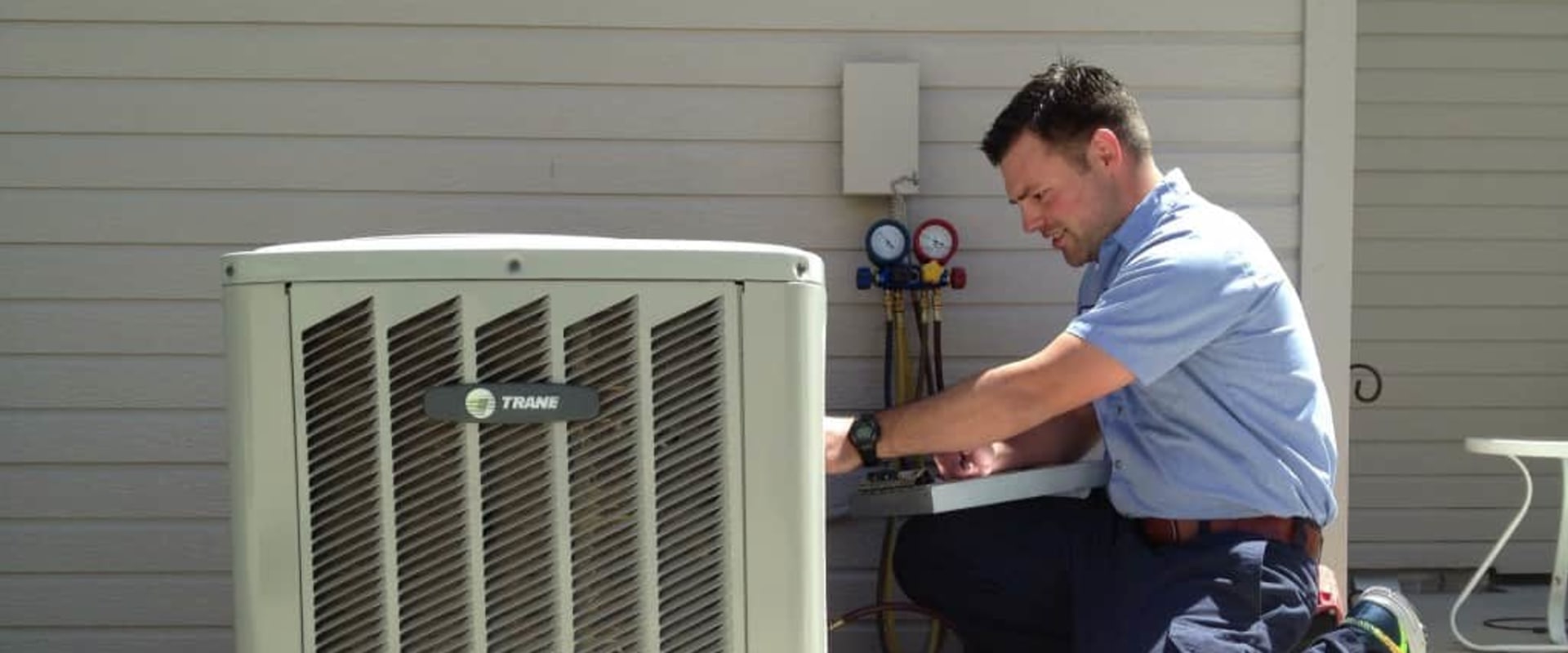
Understanding HVAC services is essential for homeowners and business owners alike, as these systems play a critical role in maintaining indoor comfort throughout the year. HVAC, which stands for heating, ventilation, and air conditioning, encompasses a range of services designed to ensure that your heating and cooling systems operate efficiently and effectively. From routine maintenance to emergency repairs, the scope of HVAC services is broad and vital for the longevity of your equipment. The importance of regular HVAC maintenance cannot be overstated. Just like any other mechanical system, HVAC units require periodic check-ups to function optimally.
Neglecting these services can lead to decreased efficiency, higher energy bills, and even complete system failures. Regular maintenance not only extends the lifespan of your equipment but also enhances air quality and ensures that your home remains comfortable regardless of the season. There are several types of HVAC services available to meet diverse needs. These include:
- Installation: Setting up new heating or cooling systems tailored to your space.
- Maintenance: Routine inspections and tune-ups to keep systems running smoothly.
- Repairs: Addressing specific issues that arise during operation.
- Replacement: Upgrading old or inefficient systems with modern alternatives.
The Importance of Timing in HVAC Maintenance
Understanding the importance of timing in HVAC maintenance is crucial for homeowners who want to ensure their heating and cooling systems operate efficiently throughout the year.Seasonal changes can significantly impact the performance of your HVAC system, making it essential to schedule maintenance and repairs at the right times.One of the primary reasons to consider timing is the seasonal demand for HVAC services. During peak seasons—typically summer and winter—HVAC technicians are inundated with emergency calls. This high demand can lead to longer wait times for service appointments, which may leave you without adequate heating or cooling when you need it most. By scheduling maintenance during the off-peak seasons, such as early spring or late fall, you can avoid these delays and ensure your system is ready for the upcoming temperature extremes.Moreover, seasonal HVAC service allows technicians to identify potential issues before they escalate into costly repairs.
For instance, a thorough inspection in the fall can reveal problems with your heating system that could lead to breakdowns during the coldest months. Similarly, spring maintenance can uncover issues with your air conditioning unit that might not be apparent until you turn it on during a heatwave.Another factor to consider is how seasonal changes affect system performance. As temperatures fluctuate, your HVAC system works harder to maintain a comfortable indoor environment. This increased workload can lead to wear and tear on components, making regular maintenance even more critical.
Scheduling service at strategic times helps ensure that your system operates efficiently, reducing energy consumption and lowering utility bills.In addition to performance benefits, timing your HVAC service can also lead to financial savings. Many HVAC companies offer promotions and discounts during slower months to encourage customers to book appointments. By taking advantage of these offers, you can save money on routine maintenance or even on necessary repairs.In conclusion, being proactive about scheduling HVAC services at optimal times not only enhances system performance but also extends the lifespan of your equipment. By understanding the importance of timing in HVAC maintenance, you can make informed decisions that keep your home comfortable year-round.
Optimal Times for Heating System Service
When it comes to ensuring your heating system operates efficiently and reliably throughout the winter months, scheduling service in the fall is paramount.This proactive approach not only enhances the performance of your system but also helps to prevent unexpected breakdowns during the coldest days of the year.
Why Fall is Ideal for Heating System Maintenance
- Less Demand: During the fall, HVAC professionals experience a lull in service requests compared to the peak winter season. This means you can often secure an appointment at your convenience without long wait times.
- Optimal Weather Conditions: The mild temperatures of fall allow technicians to work comfortably while performing necessary maintenance tasks. This is especially important for tasks that require testing the system's operation.
- Preventative Care: Scheduling a heating system tune-up in the fall allows for early detection of potential issues. Technicians can identify worn-out parts or inefficiencies that could lead to costly repairs if left unaddressed.
Benefits of Pre-Winter Maintenance
Regular maintenance before winter sets in can significantly enhance your heating system's efficiency.
Here are some key benefits:
- Improved Energy Efficiency: A well-maintained heating system operates more efficiently, which can lead to lower energy bills. Cleaning or replacing filters, checking ductwork, and ensuring proper airflow are all part of a comprehensive tune-up.
- Extended Lifespan: Just like any other appliance, regular maintenance can extend the life of your heating system. By addressing minor issues before they escalate, you can avoid premature replacements.
- Enhanced Comfort: A properly serviced heating system ensures consistent warmth throughout your home. This means fewer cold spots and a more comfortable living environment during harsh winter months.
What to Expect During a Heating System Tune-Up
A typical heating system service includes several critical checks and adjustments:
- Inspection of all components, including the thermostat, heat exchanger, and burners.
- Cleansing of filters and ducts to ensure optimal airflow.
- Testing safety controls and ensuring proper operation of the system.
- Lubrication of moving parts to reduce wear and tear.
Don't wait until the first snowfall; schedule your heating system service today!
Ideal Times for Air Conditioning Maintenance
When it comes to maintaining your air conditioning system, timing is everything. Scheduling your HVAC services during the spring months can significantly enhance the efficiency and longevity of your cooling system. As temperatures begin to rise, it’s essential to ensure that your air conditioner is ready to handle the heat.Why Spring is the Best Time for Air Conditioning Maintenance
- Preemptive Care: Spring is an ideal time for an air conditioning tune-up because it allows homeowners to address any potential issues before the peak summer demand hits. By scheduling maintenance early, you can avoid the rush and ensure that your system is operating at its best when you need it most.
- Increased Availability: HVAC technicians are generally less busy in the spring compared to the sweltering summer months.
This means you have a better chance of securing an appointment at a time that works for you, without having to wait for days or even weeks.
- Cost-Effective Solutions: Many HVAC companies offer promotions and discounts during the spring season to encourage customers to schedule maintenance. Taking advantage of these deals can save you money while ensuring your system is in top shape.
- Improved Efficiency: Regular maintenance helps keep your air conditioning unit running efficiently. A well-maintained system uses less energy, which can lead to lower utility bills. During a spring tune-up, technicians will clean filters, check refrigerant levels, and inspect components, all of which contribute to optimal performance.
- Enhanced Comfort: A properly serviced air conditioning system will provide consistent cooling throughout your home.
By addressing any issues in the spring, you can avoid uncomfortable breakdowns during the hottest days of summer.
What to Expect During a Spring HVAC Maintenance Appointment
During a typical air conditioning maintenance visit, a qualified technician will perform several key tasks:
- Inspect and clean the condenser and evaporator coils.
- Check and replace air filters as needed.
- Examine ductwork for leaks or blockages.
- Test thermostat accuracy and calibrate if necessary.
- Evaluate refrigerant levels and check for leaks.
- Lubricate moving parts to reduce friction and wear.
Seasonal Trends in HVAC Service Demand
Understanding the dynamics of HVAC service demand is crucial for homeowners looking to optimize their maintenance schedules and budgets. Throughout the year, the demand for HVAC services fluctuates significantly, influenced by seasonal changes and weather patterns. Recognizing these trends can help you plan your HVAC service appointments more effectively.During the summer months, particularly in June through August, the demand for air conditioning services peaks.Homeowners are often faced with emergency repairs as temperatures soar, leading to a surge in service requests. This high demand can result in longer wait times for appointments and potentially higher prices due to the urgency of repairs. To avoid these pitfalls, it’s advisable to schedule your air conditioning maintenance in the spring, ideally between March and May. This timing allows you to ensure your system is ready for the heat while also taking advantage of lower service demand.Conversely, the winter months from December to February see a spike in heating service requests.
As temperatures drop, many homeowners discover issues with their heating systems, leading to an influx of calls for repairs and maintenance. Similar to summer, this peak season can lead to increased costs and limited availability of technicians. To mitigate these challenges, scheduling your heating system maintenance in the fall—specifically from September to November—can be beneficial. During this period, HVAC companies are less busy, allowing for more flexible scheduling and often better pricing.Another factor influencing seasonal fluctuations in HVAC services is the timing of promotional offers from manufacturers and service providers.
Many companies offer discounts or rebates during off-peak seasons, particularly in the fall and spring. By planning your HVAC service during these times, you can not only ensure your system is functioning optimally but also save money on repairs or replacements.In summary, being aware of seasonal trends in HVAC service demand can significantly impact your experience as a homeowner. By scheduling maintenance during the off-peak seasons—spring for air conditioning and fall for heating—you can enjoy better availability, lower costs, and peace of mind knowing your systems are ready for the extremes of summer and winter.
Signs Your HVAC System Needs Immediate Attention
Recognizing the signs that your HVAC system requires immediate attention is crucial for maintaining a comfortable and safe home environment. Ignoring these warning signals can lead to more significant issues and costly repairs down the line.Here are some common indicators that your HVAC system may be experiencing problems:
- Unusual Noises: If your HVAC system starts making strange sounds such as banging, clanking, or hissing, it could indicate a mechanical issue. These noises often suggest that components are loose or damaged, requiring prompt inspection by a professional.
- Inconsistent Temperatures: Are some rooms in your home significantly warmer or cooler than others? This inconsistency can point to ductwork issues, a malfunctioning thermostat, or problems with the HVAC unit itself. Addressing this early can prevent further complications.
- Increased Energy Bills: A sudden spike in your energy bills without a corresponding increase in usage may indicate that your HVAC system is working harder than it should. This inefficiency can stem from various issues, including dirty filters or failing components.
- Strange Odors: Foul smells emanating from your HVAC system can be alarming.
A musty odor might suggest mold growth within the ducts, while a burning smell could indicate electrical issues or overheating components. Both scenarios warrant immediate attention.
- Frequent Cycling: If your HVAC system turns on and off more frequently than usual, it may be short-cycling due to an oversized unit or other underlying problems. This not only affects comfort but also leads to increased wear and tear on the system.
- Humidity Issues: An HVAC system should effectively regulate humidity levels in your home. If you notice excessive moisture or dryness, it could signal that the system is not functioning correctly, which can lead to discomfort and health concerns.
- Visible Leaks: Any signs of water pooling around your HVAC unit or ductwork should be addressed immediately.
Leaks can lead to water damage and mold growth, posing risks to both your property and health.
Benefits of Regular HVAC Maintenance
Regular HVAC maintenance is not just a recommendation; it is a necessity for homeowners who want to ensure their heating and cooling systems operate efficiently and effectively. The benefits of routine HVAC service extend far beyond immediate comfort, impacting energy efficiency, cost savings, and the overall lifespan of your equipment.Energy Efficiency
One of the most significant advantages of regular HVAC maintenance is improved energy efficiency. Over time, dust, dirt, and debris can accumulate in your system, causing it to work harder to maintain the desired temperature.
This increased workload leads to higher energy consumption and elevated utility bills. By scheduling regular service, technicians can clean and tune your system, ensuring it operates at peak efficiency. In fact, studies have shown that well-maintained HVAC systems can operate up to 15% more efficiently than neglected ones.
Cost Savings
Investing in regular HVAC maintenance can lead to substantial long-term savings. While there is an upfront cost associated with service appointments, these expenses are often outweighed by the savings on energy bills and the prevention of costly repairs.
A well-maintained system is less likely to experience breakdowns, which can be expensive and inconvenient. Additionally, many HVAC companies offer maintenance plans that provide discounts on repairs and priority service, further enhancing your savings.
Extended Equipment Lifespan
Another critical benefit of routine HVAC maintenance is the extension of your system's lifespan. Just like any other mechanical system, HVAC units require care to function optimally over time. Regular inspections allow technicians to identify potential issues before they escalate into major problems that could necessitate a complete system replacement.
By addressing minor repairs promptly and ensuring that all components are functioning correctly, you can significantly prolong the life of your heating and cooling systems.
Importance of Proactive Care
Proactive care is essential for maintaining the health of your HVAC system. By scheduling regular maintenance appointments—ideally twice a year—you can ensure that your system is ready for the demands of each season. This not only enhances comfort but also provides peace of mind knowing that your home environment is safe and efficient.In conclusion, the benefits of regular HVAC service are clear: improved energy efficiency, significant cost savings, and an extended lifespan for your equipment. Prioritizing routine maintenance is a smart investment that pays off in both comfort and financial security.
How to Choose an HVAC Service Provider
Choosing the right HVAC service provider is crucial for ensuring that your heating and cooling systems operate efficiently and effectively.With so many options available, it can be overwhelming to determine which company will best meet your needs. Here are some essential factors to consider when selecting an HVAC service provider.
- Certifications and Licenses: Always check if the HVAC company holds the necessary licenses and certifications. This not only ensures that they are qualified to perform the work but also indicates that they adhere to industry standards. Look for certifications from recognized organizations such as the North American Technician Excellence (NATE) or the Environmental Protection Agency (EPA).
- Experience and Expertise: Consider how long the company has been in business.
A well-established company with years of experience is likely to have a proven track record of quality service. Additionally, inquire about their expertise in specific HVAC systems or brands, especially if you have a unique or high-end system.
- Customer Reviews and Testimonials: Research customer feedback on platforms like Google, Yelp, or Angie's List. Positive reviews can provide insight into the company's reliability, professionalism, and quality of work. Pay attention to how the company responds to negative reviews as well; this can indicate their commitment to customer satisfaction.
- Range of Services Offered: Look for a provider that offers a comprehensive range of services, including installation, maintenance, and emergency repairs.
This ensures that you can rely on them for all your HVAC needs without having to switch companies.
- Warranty and Guarantees: A reputable HVAC service provider should offer warranties on their work and the products they install. This not only protects your investment but also demonstrates their confidence in the quality of their services.
- Transparent Pricing: Request detailed estimates from multiple companies before making a decision. A trustworthy provider will offer clear pricing without hidden fees. Be wary of quotes that seem unusually low, as they may indicate subpar service or materials.
- Emergency Services: HVAC issues can arise unexpectedly, so it’s beneficial to choose a company that offers 24/7 emergency services.
This ensures that you have access to help whenever you need it, especially during extreme weather conditions.
Frequently Asked Questions about HVAC Services Timing
When it comes to scheduling HVAC services, many homeowners have questions about the best timing for maintenance and repairs. Here are some frequently asked questions that can help clarify your doubts:1.When is the best time to schedule HVAC maintenance?
The ideal times for scheduling HVAC maintenance are typically in the spring and fall. In spring, you can prepare your air conditioning system for the hot summer months, while fall is perfect for ensuring your heating system is ready for winter.Scheduling during these off-peak seasons allows you to avoid long wait times and take advantage of potential discounts.
2.How often should I have my HVAC system serviced?
It is generally recommended to have your HVAC system serviced at least twice a year—once before the heating season and once before the cooling season. This regular maintenance helps identify potential issues early, ensuring your system operates efficiently and prolonging its lifespan.3.What are the signs that my HVAC system needs service?
- Unusual noises: If you hear banging, rattling, or hissing sounds, it may indicate a problem.
- Inconsistent temperatures: If some rooms are too hot or too cold, your system may need attention.
- Increased energy bills: A sudden spike in your energy costs could suggest that your HVAC system is working harder than it should.
- Frequent cycling: If your system turns on and off more frequently than usual, it may be time for a check-up.
4.Are there any benefits to scheduling HVAC service during off-peak times?
Yes! Scheduling during off-peak times, such as late fall or early spring, often results in better availability of technicians and potentially lower costs. Many HVAC companies offer promotions during these periods to encourage maintenance appointments, making it a financially savvy choice.5.Can I perform any maintenance on my HVAC system myself?
While some basic tasks can be done by homeowners—such as changing air filters or cleaning vents—most maintenance should be left to professionals. They have the expertise to identify issues that may not be visible to the untrained eye and can perform necessary repairs safely.By understanding these common questions about HVAC services, you can make informed decisions about when to schedule maintenance and ensure your heating and cooling systems operate efficiently throughout the year.Conclusion: The Best Time to Schedule Your HVAC Service
In conclusion, understanding the best time to schedule HVAC services is crucial for maintaining the efficiency and longevity of your heating and cooling systems.Throughout the year, specific seasons present unique opportunities for homeowners to ensure their HVAC units are operating at peak performance.As discussed, the fall is an ideal time for heating system maintenance. With temperatures gradually dropping, scheduling a service during this period allows technicians to perform necessary checks and repairs before the harsh winter months set in. This proactive approach not only enhances comfort but also prevents unexpected breakdowns when you need your heating system the most.Similarly, spring emerges as the prime season for air conditioning maintenance. As temperatures rise, ensuring your cooling system is ready to handle the heat is essential.
Scheduling service during this off-peak season often results in better availability of technicians and potentially lower costs due to fewer emergency calls.Moreover, taking advantage of seasonal promotions offered by many HVAC companies can lead to significant savings on both maintenance and new installations. These deals are particularly prevalent in the fall and spring when demand is lower, making it an opportune time for homeowners to invest in their HVAC systems.Regular maintenance, ideally twice a year, is not just about immediate comfort; it’s about extending the lifespan of your HVAC unit and improving energy efficiency. A well-maintained system operates more effectively, which can lead to lower energy bills and a reduced environmental impact.In summary, by strategically scheduling your HVAC services during the fall and spring, you can ensure that your heating and cooling systems are well-prepared for seasonal changes. This foresight not only enhances your home’s comfort but also contributes to long-term savings and reliability.
Don’t wait until a breakdown occurs; take action now to secure a comfortable living environment year-round.