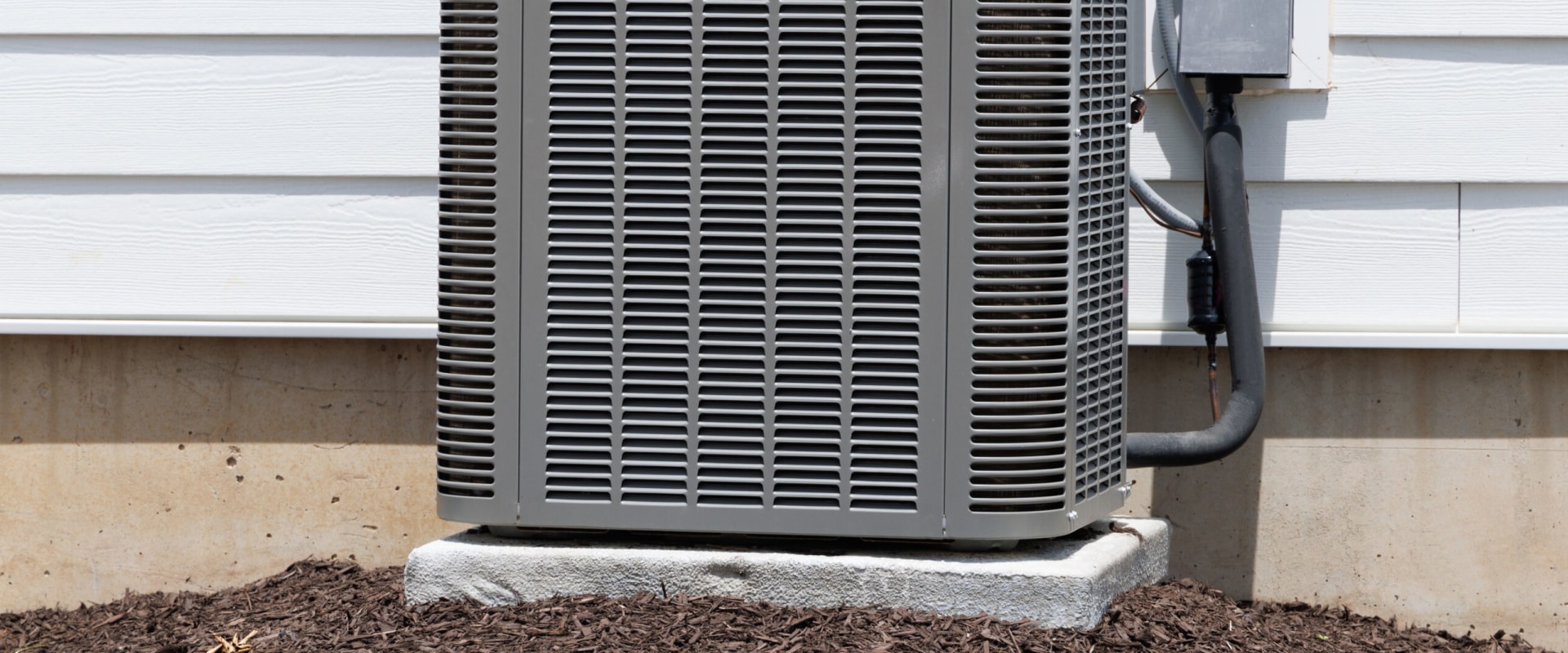
In today's world, where comfort and energy efficiency are paramount, understanding HVAC services is essential for every homeowner. HVAC, which stands for heating, ventilation, and air conditioning, encompasses a range of technologies and services designed to regulate indoor environments. These systems not only provide essential heating and cooling but also play a crucial role in maintaining air quality and overall comfort within our homes. As we delve into the future of HVAC costs, it is vital to recognize the significance of these services in our daily lives.The importance of HVAC services extends beyond mere temperature control.
A well-functioning HVAC system can lead to significant energy savings, improved indoor air quality, and enhanced comfort levels. Homeowners often overlook the impact that regular maintenance and timely upgrades can have on their systems' efficiency. By investing in professional HVAC services, homeowners can ensure that their systems operate at peak performance, ultimately leading to lower energy bills and a healthier living environment.As we explore the future trends in HVAC costs, it becomes clear that understanding the intricacies of these systems is more important than ever. With rising energy prices and evolving efficiency standards, homeowners must stay informed about their options. A well-functioning HVAC system can lead to significant energy savings, improved indoor air quality, and enhanced comfort levels. Homeowners often overlook the impact that regular maintenance and timely upgrades can have on their systems' efficiency. By investing in professional HVAC services, homeowners can ensure that their systems operate at peak performance, ultimately leading to lower energy bills and a healthier living environment.As we explore the future trends in HVAC costs, it becomes clear that understanding the intricacies of these systems is more important than ever. With rising energy prices and evolving efficiency standards, homeowners must stay informed about their options.
Whether it's routine maintenance, emergency repairs, or system replacements, knowing when to seek HVAC services can make a significant difference in both comfort and cost-effectiveness. This knowledge empowers homeowners to make informed decisions that will benefit them in the long run.
Current Trends in HVAC Costs
The landscape of HVAC costs is evolving rapidly, influenced by a variety of factors that homeowners must understand to make informed decisions. As we navigate through 2023, several key trends are shaping the pricing of HVAC services and equipment.Rising Prices Due to Efficiency Standards
One of the most significant trends affecting HVAC pricing is the implementation of new energy efficiency standards. These regulations are designed to promote environmentally friendly practices and reduce energy consumption.
However, they also lead to increased manufacturing costs for HVAC units. As manufacturers invest in technology to meet these standards, the prices of new systems are expected to rise. Homeowners may find themselves paying more for units that comply with these regulations, even as they benefit from lower energy bills in the long run.
Inflation and Economic Factors
The broader economic climate is another critical factor influencing HVAC costs. Inflation has been a persistent issue, affecting everything from raw materials to labor costs.
As the cost of living rises, so too do the expenses associated with HVAC services. Homeowners should be prepared for potential price increases as companies adjust their rates to keep pace with inflationary pressures.
Supply Chain Challenges
In addition to inflation, supply chain disruptions continue to impact the availability and pricing of HVAC equipment. The COVID-19 pandemic exposed vulnerabilities in global supply chains, leading to delays and shortages in essential components. This scarcity can drive up prices as demand outstrips supply.
Homeowners looking to replace or upgrade their HVAC systems may face longer wait times and higher costs due to these ongoing challenges.
Seasonal Demand Fluctuations
Another trend worth noting is the seasonal nature of HVAC services. Demand typically peaks during summer and winter months when heating and cooling needs are at their highest. Homeowners can often secure better pricing by scheduling installations or maintenance during off-peak seasons, such as spring or fall. Understanding these seasonal trends can help homeowners save money while ensuring their systems are ready for extreme weather conditions.In summary, the current state of HVAC costs is influenced by a complex interplay of efficiency standards, economic factors, supply chain issues, and seasonal demand.
By staying informed about these trends, homeowners can make strategic decisions regarding their HVAC systems that will benefit both their comfort and their wallets.
The Impact of Energy Efficiency Standards on HVAC Pricing
The recent updates to energy efficiency standards have significantly reshaped the landscape of HVAC pricing. Homeowners are now faced with a dual-edged sword: while the initial investment for new, energy-efficient systems may be higher, the long-term savings on energy bills can be substantial.New regulations mandate that HVAC systems meet stricter efficiency benchmarks, which means that manufacturers are focusing on producing units that consume less energy. For instance, systems with higher Seasonal Energy Efficiency Ratios (SEER) are now becoming the norm. This shift is not merely a trend; it reflects a broader commitment to sustainability and reducing carbon footprints.However, this transition comes at a cost.The manufacturing processes for these advanced systems often require more sophisticated technology and materials, leading to increased production costs. Consequently, homeowners can expect to pay more upfront when purchasing these units. According to industry experts, the price increase for new HVAC systems could range from 15% to 25% as manufacturers adapt to these new standards.Despite the higher initial costs, it’s essential to consider the long-term benefits. Energy-efficient HVAC systems can lead to significant savings on monthly utility bills.
For example, a system with a SEER rating of 16 can save homeowners up to 30% on cooling costs compared to older models with lower ratings. Over time, these savings can offset the initial investment, making energy-efficient systems a financially sound choice.Moreover, many utility companies offer rebates and incentives for homeowners who invest in energy-efficient HVAC systems. These programs can further alleviate the financial burden of upgrading your system. Homeowners should research available incentives in their area and factor these into their overall cost analysis.In conclusion, while the impact of new energy efficiency standards on HVAC pricing may seem daunting at first glance, it is crucial for homeowners to view this as an investment in their property and future savings.
By choosing energy-efficient systems, homeowners not only contribute to environmental sustainability but also enhance their home’s value and comfort.
Supply Chain Challenges and Their Effects on HVAC Availability
The HVAC industry is currently grappling with significant supply chain challenges that are affecting the availability of essential heating and cooling units. These challenges stem from a combination of factors, including manufacturing delays, material shortages, and logistical issues that have been exacerbated by global events.One of the primary contributors to the current supply chain crisis is the ongoing shortage of raw materials. Key components such as copper, steel, and aluminum are in high demand across various industries, leading to increased prices and limited availability. This scarcity not only affects the production of HVAC units but also drives up costs for homeowners.As manufacturers struggle to secure these materials, they face delays in production schedules, which can lead to longer wait times for consumers looking to replace or install new systems.Additionally, the pandemic has highlighted vulnerabilities in global supply chains. Many manufacturers had to temporarily shut down operations or reduce their workforce due to health regulations, which created a backlog of orders. As demand for HVAC services surged during peak seasons, the inability to meet this demand has resulted in a significant gap between supply and consumer needs.Logistical challenges also play a crucial role in the current situation. Shipping delays caused by port congestion and a shortage of truck drivers have made it difficult for manufacturers to distribute their products efficiently.
This has led to increased shipping costs, which are often passed on to consumers in the form of higher prices for HVAC units.Homeowners should be aware that these supply shortages can impact not only the availability of new systems but also the cost of repairs and maintenance services. With fewer units available on the market, repair parts may also become scarce, leading to longer wait times for service calls and potentially higher repair costs.To navigate these challenges effectively, homeowners are encouraged to plan ahead when considering HVAC upgrades or replacements. By being proactive and scheduling maintenance or replacement services during off-peak seasons, homeowners can avoid the rush and potentially secure better pricing before further increases occur.In conclusion, understanding the complexities of the current HVAC supply chain is essential for homeowners looking to make informed decisions about their heating and cooling needs. By staying informed about market trends and potential delays, homeowners can better prepare for future investments in their home comfort systems.
How Inflation Affects HVAC Costs for Homeowners
Inflation is a pervasive economic force that affects nearly every aspect of our lives, and the HVAC industry is no exception.As prices for goods and services continue to rise, homeowners are feeling the pinch when it comes to HVAC costs. Understanding how inflation impacts these costs is crucial for homeowners looking to manage their budgets effectively.One of the primary ways inflation affects HVAC pricing is through increased material costs. The production of HVAC systems relies heavily on various raw materials, including metals like copper and aluminum, as well as plastics and insulation materials. When inflation drives up the prices of these materials, manufacturers are forced to pass those costs onto consumers.
This can lead to significant price increases for new units and replacement parts.Additionally, labor costs are also on the rise due to inflation. Skilled labor in the HVAC sector is in high demand, and as wages increase to keep pace with inflation, service providers may raise their rates accordingly. Homeowners may find that not only are they paying more for new equipment, but also for installation and maintenance services.Another factor contributing to rising HVAC costs is supply chain disruptions. The COVID-19 pandemic highlighted vulnerabilities in global supply chains, leading to delays and shortages of essential components.
These disruptions have been exacerbated by inflationary pressures, making it difficult for manufacturers to maintain consistent production levels. As a result, homeowners may face longer wait times for HVAC installations or repairs, further compounding their expenses.Moreover, economic factors such as increased demand for energy-efficient systems can also drive up prices. As homeowners become more environmentally conscious, they are seeking out high-efficiency HVAC systems that often come with a higher price tag. While these systems can lead to long-term savings on energy bills, the initial investment can be daunting in an inflationary environment.In summary, the impact of inflation on HVAC costs is multifaceted, involving rising material and labor costs, supply chain challenges, and increased demand for energy-efficient solutions.
Homeowners must stay informed about these economic factors to make educated decisions regarding their HVAC needs.
Tips for Homeowners: Navigating Rising HVAC Costs
As HVAC costs continue to rise, homeowners must adopt strategic approaches to manage their expenses effectively. Here are some practical tips to help you navigate the increasing costs associated with HVAC services.1.Timing Your Purchase
One of the most effective ways to save on HVAC costs is by timing your purchase wisely. The demand for HVAC systems typically peaks during the summer and winter months when temperatures are at their extremes. To avoid inflated prices, consider purchasing your new system during the off-peak seasons, such as:- Spring: As temperatures begin to rise, many homeowners start thinking about air conditioning.
Purchasing in early spring can help you secure better deals before the rush.
- Fall: Similarly, fall is an excellent time to invest in heating systems before the winter demand kicks in.
2.Regular Maintenance is Key
Another crucial aspect of managing HVAC costs is ensuring that your system is well-maintained. Regular maintenance can prevent costly repairs and extend the lifespan of your unit. Here are some maintenance tips:- Change Filters: Replace or clean your air filters every 1-3 months to ensure optimal airflow and efficiency.
- Schedule Professional Inspections: Have a certified technician inspect your system at least once a year. This can help identify potential issues before they become major problems.
- Clean Ducts and Vents: Ensure that your ducts and vents are clean and free from obstructions to improve airflow and efficiency.
3.Consider Energy-Efficient Models
If you're in the market for a new HVAC system, consider investing in energy-efficient models.While these units may have a higher upfront cost, they can lead to significant savings on energy bills over time. Look for systems with high SEER (Seasonal Energy Efficiency Ratio) ratings, as they consume less energy while providing effective heating and cooling.
4.Explore Financing Options
If the initial cost of a new HVAC system is a concern, explore financing options available through various HVAC service providers. Many companies offer flexible payment plans that allow you to spread out the cost over time, making it more manageable for your budget.By implementing these strategies, homeowners can effectively navigate rising HVAC costs while ensuring their homes remain comfortable and energy-efficient.The Future of HVAC Technology and Its Cost Implications
The HVAC industry is on the brink of a technological revolution, with advancements that promise to reshape how we think about heating and cooling our homes. As homeowners become increasingly aware of energy efficiency and sustainability, the future of HVAC technology is not just about comfort; it’s also about cost-effectiveness and environmental responsibility.One of the most significant trends in HVAC technology is the integration of smart systems.Smart thermostats and home automation systems allow homeowners to monitor and control their HVAC systems remotely. These devices can learn user preferences and adjust settings accordingly, optimizing energy use and reducing costs. For instance, a smart thermostat can lower heating or cooling when no one is home, leading to substantial savings on energy bills.Another exciting development is the rise of variable refrigerant flow (VRF) systems. These systems are designed to provide precise temperature control in different zones of a home, allowing for tailored comfort without wasting energy.
By using advanced inverter technology, VRF systems can adjust their output based on real-time demand, which not only enhances comfort but also significantly reduces energy consumption.Additionally, advancements in heat pump technology are making these systems more efficient than ever. Modern heat pumps can extract heat from the air or ground even in colder temperatures, providing an efficient alternative to traditional heating methods. This shift not only lowers operational costs but also aligns with the growing trend towards renewable energy sources.As these technologies evolve, homeowners can expect initial installation costs to be higher due to the advanced components and systems involved. However, the long-term savings on energy bills and maintenance costs can offset these upfront expenses.
Moreover, many states offer incentives for installing energy-efficient systems, further alleviating financial burdens.In conclusion, while the future of HVAC technology may come with higher initial costs, the potential for long-term savings and increased efficiency makes it a worthwhile investment for homeowners. Staying informed about these advancements will empower homeowners to make decisions that not only enhance their comfort but also contribute positively to their financial health and the environment.
Conclusion: Preparing for the Future of HVAC Costs
As we look ahead, it is clear that the landscape of HVAC services is evolving rapidly, driven by new efficiency standards, rising costs, and changing consumer expectations. Homeowners must stay informed and proactive to navigate these changes effectively.First and foremost, understanding the implications of increased energy efficiency standards is crucial. While these regulations aim to reduce energy consumption and environmental impact, they also lead to higher initial costs for new HVAC systems.Homeowners should weigh the long-term benefits of energy savings against the upfront investment required for more efficient units.Moreover, the current market dynamics indicate that prices for HVAC systems are unlikely to decrease in the near future. With manufacturers focusing on producing only compliant units, the availability of older models has diminished significantly. This scarcity can lead to inflated prices, making it essential for homeowners to act swiftly if they need a replacement.To mitigate potential financial strain, consider planning your HVAC upgrades strategically. The spring and early fall are often ideal times for purchasing new systems, as demand tends to be lower and promotions may be more prevalent.
Additionally, exploring financing options can help spread out the cost over time, making it more manageable.Regular maintenance of existing systems is another critical aspect of preparing for future HVAC costs. By investing in routine inspections and servicing, homeowners can extend the lifespan of their units and improve efficiency, ultimately saving money on energy bills.In conclusion, staying informed about the trends in HVAC services and being proactive in your approach can significantly impact your comfort and financial well-being. As you consider your options for heating and cooling solutions, remember that investing in a high-quality system now can lead to substantial savings in the long run. Don't hesitate to reach out to professionals who can guide you through this process and help you make informed decisions tailored to your specific needs.