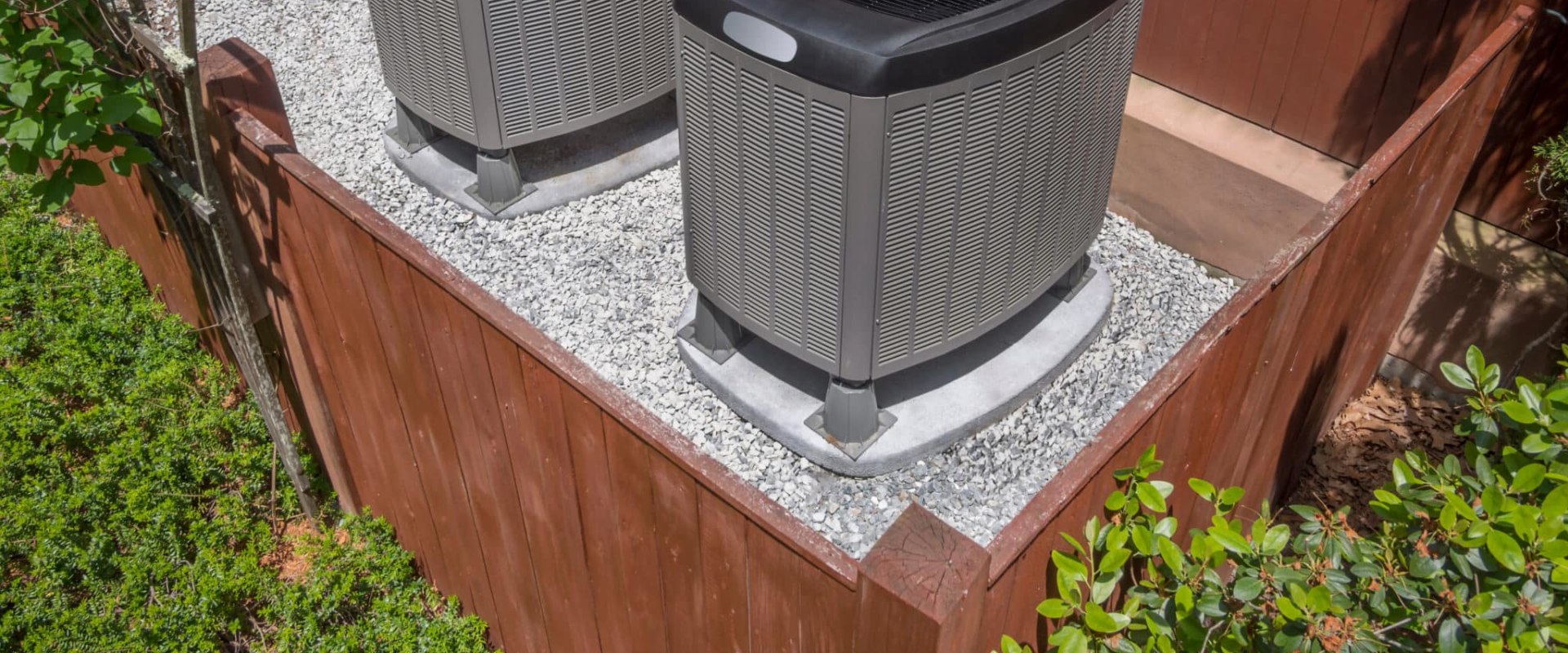
Understanding the cost of HVAC units is crucial for homeowners and property managers alike. The financial implications of HVAC services extend beyond the initial purchase price of the unit; they encompass installation, maintenance, and operational costs that can significantly impact your budget over time. As climate control becomes increasingly essential in our daily lives, grasping these costs can help you make informed decisions that not only enhance comfort but also protect your investment.When considering a new HVAC system, it’s important to recognize that the HVAC installation costs can vary widely based on several factors. These include the size and type of the unit, the complexity of the installation process, and regional labor rates.
Additionally, older homes may require modifications to accommodate modern systems, further influencing overall expenses. By understanding these variables, you can better prepare for the financial commitment involved in upgrading or replacing your HVAC system.Moreover, many homeowners overlook the long-term costs associated with HVAC services. Regular maintenance is not just an added expense; it is a vital component that can prolong the lifespan of your system and improve its efficiency. Neglecting routine check-ups can lead to unexpected breakdowns and costly repairs, making it essential to factor in these ongoing costs when budgeting for your HVAC needs.
In this article, we will delve deeper into the various elements that contribute to HVAC costs, providing you with a comprehensive overview to guide your decision-making process.
Factors Influencing HVAC Unit Costs
When considering the cost of HVAC units, several key factors come into play that can significantly influence the overall price. Understanding these elements is crucial for homeowners looking to make informed decisions about their heating and cooling systems.1.Type of HVAC System
- Central Air Conditioning: Typically more expensive due to the complexity of installation and the need for ductwork.
- Heat Pumps: These can be cost-effective in moderate climates, but their initial price can be higher than traditional systems.
- Ductless Mini-Split Systems: While they offer flexibility and efficiency, they often come with a higher upfront cost due to the technology involved.
2.Size and Capacity
The size of the HVAC unit is another critical factor. An undersized unit will struggle to cool or heat your home, leading to increased energy costs and potential system failure. Conversely, an oversized unit may cycle on and off too frequently, causing wear and tear.
Proper sizing is determined by a load calculation, which considers factors such as:
- The square footage of your home
- The number of windows and doors
- The insulation quality
- The local climate
3.Efficiency Ratings
Energy efficiency is a significant consideration when selecting an HVAC system. Units with higher SEER (Seasonal Energy Efficiency Ratio) ratings tend to have higher upfront costs but can lead to substantial savings on energy bills over time. Investing in a more efficient system can also qualify homeowners for tax credits or rebates, further offsetting initial expenses.
4.Installation Complexity
The installation process itself can vary widely in cost depending on several factors:
- Existing Ductwork: If your home already has ductwork in place, installation costs may be lower. However, if new ducts are required, this can significantly increase the overall price.
- Location: The geographical area can affect labor costs; urban areas typically have higher rates than rural locations.
- Accessibility: If the installation site is difficult to access, it may require additional labor or equipment, raising costs.
This knowledge not only aids in budgeting but also ensures that you select a system that meets your needs effectively and efficiently.
Types of HVAC Systems and Their Costs
When considering a new HVAC system, understanding the various types available and their associated costs is crucial for making an informed decision. Each type of HVAC system has its own advantages and disadvantages, which can significantly impact both initial investment and long-term operational costs.Split Systems
Split systems are among the most common types of HVAC systems found in residential settings. They consist of two main components: an outdoor unit that houses the compressor and condenser, and an indoor unit that contains the evaporator coil and air handler. This separation allows for efficient cooling and heating.- Cost: The average cost for a split system installation ranges from $3,000 to $7,000, depending on the size of the unit and the complexity of the installation.
- Efficiency: Split systems are known for their energy efficiency, often featuring SEER (Seasonal Energy Efficiency Ratio) ratings that can exceed 20.
- Flexibility: These systems can be easily customized to fit different home layouts, making them suitable for both new constructions and retrofits.
Packaged Units
Packaged HVAC systems combine all components into a single outdoor unit.This design is particularly advantageous for homes with limited indoor space or those located in warmer climates where heating is less of a concern.
- Cost: The installation cost for packaged units typically ranges from $4,000 to $8,000. While they may have a higher upfront cost, they can save space and simplify maintenance.
- Installation: Packaged units are generally easier to install since they require less ductwork compared to split systems.
- Maintenance: With all components housed in one unit, maintenance can be more straightforward, potentially reducing service costs over time.
Comparative Analysis
When deciding between split systems and packaged units, consider factors such as your home’s layout, climate, and budget. Split systems offer greater flexibility and efficiency but may require more space and ductwork. On the other hand, packaged units provide a compact solution with easier installation but may not be as efficient in certain conditions.Ultimately, consulting with HVAC services professionals can help you assess your specific needs and guide you toward the best choice for your home.By understanding the types of HVAC systems available and their costs, you can make a more informed decision that balances initial investment with long-term savings.
Installation Costs: What to Expect
When it comes to HVAC installation costs, understanding the various components that contribute to the overall expense is crucial for homeowners. The total cost of installing a new HVAC unit can vary widely based on several factors, including the type of system, the complexity of the installation, and the specific requirements of your home.One of the primary components of HVAC installation costs is labor. Hiring professional HVAC contractors is essential for ensuring that your system is installed correctly and safely. While it may be tempting to consider a DIY approach to save money, improper installation can lead to significant issues down the line, including reduced efficiency and potential safety hazards.On average, labor costs can account for 30% to 50% of the total installation price.This percentage can fluctuate based on your location and the contractor's experience level. Therefore, it’s advisable to obtain multiple quotes from different contractors to compare prices and services offered. When requesting quotes, be sure to ask about:
- Hourly rates: Understand how much contractors charge per hour and how they estimate the time required for your specific installation.
- Flat fees: Some contractors may offer a flat fee for installation, which can provide clarity on total costs upfront.
- Included services: Ensure that you know what is included in the quote, such as removal of old units, disposal fees, and any necessary permits.
- The HVAC unit itself: The type and brand of unit you choose will significantly impact your overall cost.
- Ductwork: If your home requires new ductwork or modifications to existing ducts, this can add considerable expense.
- Thermostats and controls: Upgrading to smart thermostats or advanced control systems can enhance efficiency but may also increase initial costs.
By taking the time to gather multiple quotes and thoroughly vetting contractors, you can make an informed decision that balances quality with cost-effectiveness.
Long-Term Costs: Maintenance and Energy Efficiency
When considering the long-term costs associated with owning an HVAC unit, it’s crucial to factor in both maintenance expenses and energy efficiency savings. These elements play a significant role in determining the overall financial impact of your HVAC system over its lifespan.HVAC Maintenance Costs
Regular maintenance is essential for ensuring that your HVAC system operates efficiently and effectively. Neglecting routine upkeep can lead to more significant issues down the line, resulting in costly repairs or even premature replacement of the unit. Typical maintenance tasks include:
- Changing or cleaning air filters every 1-3 months.
- Annual inspections by a professional technician.
- Cleaning the condenser and evaporator coils.
- Checking refrigerant levels and inspecting for leaks.
- Calibrating the thermostat for optimal performance.
However, investing in regular maintenance can save you money in the long run by preventing major breakdowns and extending the life of your unit.
Energy Efficiency Savings
Another critical aspect of long-term HVAC costs is energy efficiency. An efficient HVAC system not only reduces your carbon footprint but also significantly lowers your monthly utility bills. Here are some ways to enhance energy efficiency:
- Investing in a high-efficiency unit with a higher SEER (Seasonal Energy Efficiency Ratio) rating.
- Utilizing programmable thermostats to optimize heating and cooling schedules.
- Sealing ductwork to prevent air leaks.
- Ensuring proper insulation in your home to maintain temperature control.
Long-Term HVAC Expenses
In summary, while the upfront cost of an HVAC unit may be substantial, understanding the long-term financial implications is vital.
Regular maintenance not only helps avoid unexpected repair costs but also enhances energy efficiency, leading to lower utility bills. By prioritizing these aspects, homeowners can make informed decisions that will benefit their finances and comfort for years to come.
Home Warranties and HVAC Coverage
When it comes to managing the costs associated with HVAC systems, home warranties can be a game changer for homeowners. These warranties provide a safety net that can significantly reduce the financial burden of unexpected repairs or replacements. Understanding how these warranties work and what they cover is essential for making informed decisions.Benefits of Home Warranties for HVAC Systems
- Cost Savings: One of the primary advantages of having a home warranty is the potential for substantial savings.
If your HVAC system fails, the warranty can cover repair costs or even the replacement of the unit, depending on the terms of your plan.
- Peace of Mind: Knowing that your HVAC system is protected allows homeowners to feel more secure in their investment. This peace of mind is invaluable, especially during extreme weather conditions when your heating or cooling system is crucial.
- Access to Qualified Technicians: Home warranties typically require that repairs be performed by licensed professionals. This ensures that your HVAC system is serviced by qualified technicians who understand the intricacies of your unit.
- Convenience: Many home warranty companies offer 24/7 service, meaning you can get help whenever you need it. This convenience can be particularly beneficial during emergencies when your HVAC system fails unexpectedly.
What to Look for in a Home Warranty Plan
When considering a home warranty for your HVAC system, it’s important to evaluate several key factors:
- Coverage Details: Review what is included in the warranty.
Some plans may cover only specific components of the HVAC system, while others may offer comprehensive coverage.
- Service Fees: Understand any service fees associated with claims. Some warranties may have low monthly premiums but high deductibles, which could negate savings during repairs.
- Exclusions: Be aware of what is not covered by the warranty. Common exclusions might include pre-existing conditions or damage due to lack of maintenance.
- Reputation and Reviews: Research the warranty provider’s reputation. Look for customer reviews and ratings to gauge their reliability and customer service quality.
By understanding the benefits and carefully selecting a plan that meets your needs, you can protect yourself from unexpected expenses and ensure your home remains comfortable year-round.
Common Mistakes to Avoid When Choosing an HVAC Unit
Choosing the right HVAC unit is a critical decision that can significantly impact your home’s comfort and energy efficiency. However, many homeowners fall into common traps that can lead to poor choices and unnecessary expenses. Here are some of the most frequent mistakes to avoid when selecting an HVAC system:- Neglecting Proper Sizing : One of the biggest errors is failing to choose the right size unit for your home. An HVAC system that is too small will struggle to cool or heat your space, leading to increased energy bills and wear on the system.
Conversely, a unit that is too large will cycle on and off frequently, causing inefficiency and discomfort. Always consult with a professional to perform a load calculation to determine the appropriate size.
- Overlooking Energy Efficiency Ratings : Many homeowners focus solely on the initial cost of the unit without considering its energy efficiency. Look for units with high SEER (Seasonal Energy Efficiency Ratio) ratings for air conditioning and AFUE (Annual Fuel Utilization Efficiency) ratings for heating. Investing in a more efficient model can lead to significant savings on your utility bills over time.
- Ignoring Maintenance Requirements : Some HVAC systems require more maintenance than others.
Failing to consider the upkeep needed can lead to higher long-term costs. Research the maintenance requirements of different models and factor this into your decision-making process.
- Not Considering Local Climate : The climate in your area plays a crucial role in determining which HVAC system is best suited for your home. For instance, if you live in a region with extreme temperatures, you may need a more robust system than someone in a milder climate. Tailoring your choice to local weather conditions can enhance performance and efficiency.
- Skipping Professional Installation : While it may be tempting to save money by installing the unit yourself, improper installation can lead to numerous issues, including reduced efficiency and voided warranties.
Always hire qualified HVAC services to ensure that your system is installed correctly.
- Failing to Research Brands and Models : Not all HVAC brands are created equal. Some may offer better warranties, customer service, or reliability than others. Take the time to read reviews and compare different models before making a purchase.
FAQs About HVAC Services and Costs
When it comes to HVAC services, many homeowners have questions regarding costs, installation, and maintenance.Here are some of the most frequently asked questions that can help clarify these important aspects.
What factors influence the cost of HVAC installation?
The cost of installing an HVAC system can vary widely based on several factors, including:- Type of System: Different systems, such as central air conditioning, heat pumps, or ductless mini-splits, come with varying price tags.
- Size of the Unit: The size of your home and the required capacity of the HVAC unit will significantly affect the overall cost.
- Labor Costs: Hiring a professional contractor is essential for proper installation, and labor costs can vary by region.
- Additional Features: Smart thermostats, zoning systems, and air purification options can add to the initial investment.
How often should I schedule maintenance for my HVAC system?
Regular maintenance is crucial for ensuring the longevity and efficiency of your HVAC system. It is generally recommended to schedule maintenance at least once a year. For systems that include both heating and cooling functions, consider having a technician inspect your unit in the spring and fall. This proactive approach can help identify potential issues before they become costly repairs.Are there financing options available for HVAC installation?
Many HVAC contractors offer financing plans to help homeowners manage the upfront costs associated with new installations.These plans may include:
- Low-Interest Loans: Some companies partner with financial institutions to provide low-interest loans specifically for HVAC upgrades.
- Payment Plans: Flexible payment options allow you to spread out the cost over time.
- Manufacturer Rebates: Check for any available rebates from manufacturers that can reduce your overall expenses.
What should I look for when choosing an HVAC contractor?
Selecting the right contractor is vital for a successful installation. Consider these tips:- Licensing and Insurance: Ensure that the contractor is licensed and insured to protect yourself from liability.
- Experience: Look for contractors with a proven track record in HVAC installations and positive customer reviews.
- Estimates: Obtain multiple quotes to compare pricing and services offered.
Conclusion: Making Informed Decisions on HVAC Investments
In conclusion, understanding the real cost of HVAC units is crucial for homeowners looking to make informed decisions about their heating and cooling systems. Throughout this article, we have explored various factors that contribute to the overall expense of HVAC installation and maintenance, emphasizing the importance of thorough research and planning.One of the key takeaways is the significance of hiring professional HVAC services. While it may be tempting to consider DIY installation or repairs to save money, the potential risks and long-term costs associated with improper installation can far outweigh any initial savings.Professional contractors not only ensure that your system is installed correctly but also provide valuable insights into the best options for your specific home.Additionally, we discussed the variability in costs based on location, system type, and individual home requirements. Obtaining multiple quotes from different contractors can help you gauge a fair price and avoid overpaying. This practice not only aids in budgeting but also allows you to compare services and warranties offered by various providers.Moreover, regular maintenance is an essential aspect of HVAC ownership that should not be overlooked. Investing in routine check-ups can extend the lifespan of your unit and enhance its efficiency, ultimately saving you money on energy bills and premature replacements.As you navigate your HVAC investment journey, remember to consider all aspects—from initial purchase price to ongoing maintenance costs.
By doing so, you empower yourself to make choices that align with your budget and comfort needs.In summary, being well-informed about HVAC costs and services will enable you to make sound decisions that not only enhance your home's comfort but also protect your financial investment in the long run. Take the time to research, consult with professionals, and weigh your options carefully before committing to an HVAC system.