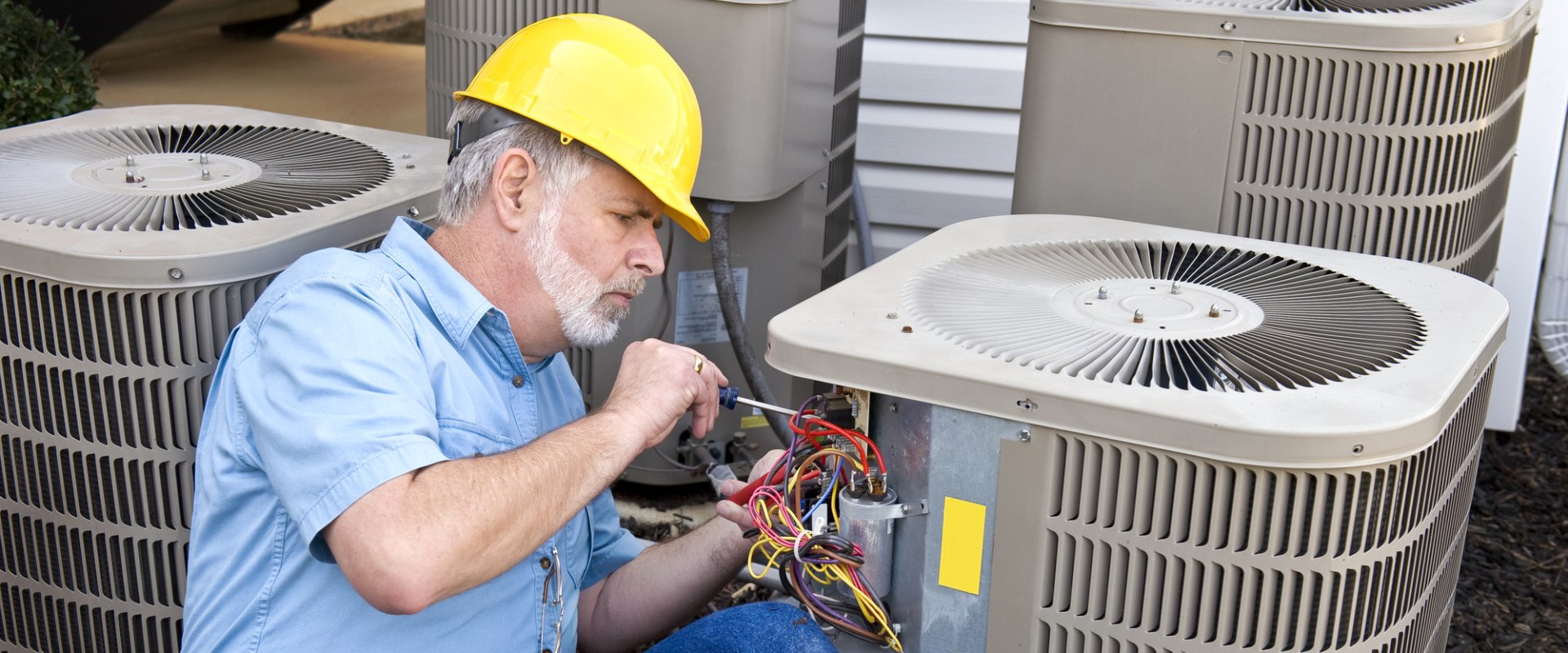
Heating, ventilation, and air conditioning (HVAC) systems play a crucial role in ensuring indoor comfort throughout the year. These systems are designed to regulate temperature, humidity, and air quality within residential and commercial spaces. Understanding the components of HVAC systems is essential for homeowners and business owners alike, as it allows them to appreciate the significance of regular maintenance and timely repairs. An HVAC system typically consists of several key components: a furnace or heat pump for heating, an air conditioner for cooling, ductwork for air distribution, and ventilation systems to ensure fresh air circulation. Each component works in harmony to create a comfortable environment, regardless of external weather conditions.
For instance, during the sweltering summer months, an efficient air conditioning unit can make all the difference in maintaining a cool and pleasant atmosphere indoors. Conversely, a well-functioning heating system is vital during the cold winter months to keep spaces warm and inviting. The importance of HVAC systems extends beyond mere comfort; they also contribute significantly to energy efficiency and indoor air quality. A properly maintained HVAC system operates more efficiently, reducing energy consumption and lowering utility bills. Furthermore, these systems help filter out pollutants and allergens from the air, promoting a healthier living environment.
This is particularly important for individuals with respiratory issues or allergies. In summary, understanding HVAC systems is fundamental for anyone looking to protect their investment in home comfort. By recognizing the critical role these systems play in our daily lives, homeowners can make informed decisions about maintenance and repairs. This knowledge sets the stage for exploring the importance of regular HVAC maintenance and how it can safeguard your investment over time.
The Benefits of Regular HVAC Maintenance
Regular HVAC maintenance is not just a good idea; it is essential for ensuring the longevity and efficiency of your heating and cooling systems. By investing in HVAC services, homeowners can reap numerous benefits that go beyond mere comfort.Improved Energy Efficiency
One of the most significant advantages of routine HVAC maintenance is enhanced energy efficiency.
Over time, dust and debris can accumulate in your system, causing it to work harder to maintain the desired temperature. A well-maintained system operates more efficiently, which translates to lower energy bills. According to the U. S.
Department of Energy, regular maintenance can improve your system's efficiency by up to 30%.
Cost Savings on Repairs
Another compelling reason to prioritize HVAC maintenance is the potential for substantial cost savings on repairs. During routine check-ups, technicians can identify minor issues before they escalate into major problems that require expensive repairs or even complete system replacements. This proactive approach not only saves money but also minimizes the inconvenience of unexpected breakdowns.
Extended Lifespan of Equipment
HVAC systems are a significant investment for homeowners, and regular maintenance can significantly extend their lifespan. A well-cared-for system can last 15 years or more, while neglected systems may fail prematurely.
By scheduling regular maintenance, you ensure that your equipment remains in optimal condition, allowing you to maximize your investment.
Enhanced Indoor Air Quality
Regular HVAC maintenance also plays a crucial role in improving indoor air quality. Dirty filters and ducts can circulate allergens and pollutants throughout your home, leading to health issues for you and your family. Routine maintenance includes cleaning or replacing filters and inspecting ductwork, which helps maintain a healthier living environment.
Peace of Mind
Finally, knowing that your HVAC system is regularly maintained provides peace of mind. Homeowners can rest easy knowing that their heating and cooling systems are functioning correctly and efficiently, reducing the likelihood of emergency repairs during extreme weather conditions.In conclusion, the benefits of regular HVAC maintenance are clear: improved energy efficiency, cost savings on repairs, extended equipment lifespan, enhanced indoor air quality, and peace of mind.
By prioritizing HVAC services, homeowners can protect their investment and ensure a comfortable living environment year-round.
Common Issues Caused by Neglecting Maintenance
Neglecting regular HVAC maintenance can lead to a myriad of problems that not only affect the performance of your system but also your overall comfort and safety at home. Understanding these potential issues is crucial for homeowners who wish to protect their investment in HVAC services.One of the most common problems arising from a lack of maintenance is reduced efficiency. When components such as filters, coils, and ducts are not cleaned or replaced regularly, they can become clogged with dust and debris. This buildup forces the system to work harder to maintain the desired temperature, leading to increased energy consumption and higher utility bills.Another significant issue is frequent breakdowns.Without routine inspections, minor problems can escalate into major failures. For instance, a small refrigerant leak may go unnoticed until it causes the compressor to fail, resulting in costly repairs or even a complete system replacement. Regular maintenance allows technicians to identify and address these issues before they become critical.
Indoor air quality
is also compromised when HVAC systems are neglected. Dirty filters and ducts can circulate allergens, dust, and pollutants throughout your home, exacerbating respiratory issues and allergies.
Regular maintenance ensures that air quality remains high by keeping these components clean and functioning properly.Additionally, neglecting maintenance can lead to shortened lifespan of your HVAC system. Most systems are designed to last around 15-20 years with proper care. However, without regular check-ups and servicing, this lifespan can be significantly reduced. Homeowners may find themselves facing premature replacement costs that could have been avoided with preventive care.Lastly, there are safety concerns associated with poorly maintained HVAC systems.
For example, gas furnaces that are not inspected regularly can develop dangerous leaks or malfunctions that pose serious risks to your household. Regular maintenance checks help ensure that all safety mechanisms are functioning correctly, providing peace of mind for you and your family.In summary, neglecting HVAC maintenance can lead to reduced efficiency, frequent breakdowns, poor indoor air quality, shortened system lifespan, and safety hazards. By investing in regular HVAC services, homeowners can avoid these common issues and ensure their systems operate smoothly for years to come.
Key Maintenance Tasks for Homeowners
Maintaining your HVAC system is not solely the responsibility of professionals; there are several key tasks that homeowners can undertake to ensure their systems operate efficiently. By performing these essential maintenance tasks, you can enhance the longevity of your HVAC system and improve indoor air quality.- Change Air Filters Regularly: One of the simplest yet most effective maintenance tasks is changing the air filters.
Clogged filters restrict airflow, making your system work harder and less efficiently. It is recommended to check and replace filters every 1-3 months, depending on usage and the type of filter.
- Clean the Outdoor Unit: The outdoor condenser unit should be kept clear of debris such as leaves, dirt, and grass clippings. Regularly inspect the area around the unit and clear away any obstructions to ensure proper airflow. A clean unit can significantly improve efficiency.
- Inspect Ductwork: Check for any visible signs of wear or damage in your ductwork.
Look for disconnected sections or leaks that could lead to energy loss. Sealing these leaks can improve system efficiency and reduce energy costs.
- Test Thermostat Settings: Ensure that your thermostat is functioning correctly by testing its settings. If you have a programmable thermostat, make sure it is set to your desired schedule. Consider upgrading to a smart thermostat for enhanced control over your HVAC system.
- Clear Drain Lines: Clogged condensate drain lines can lead to water damage and increased humidity levels in your home.
Regularly check and clear these lines to prevent blockages. You can use a wet/dry vacuum or a mixture of vinegar and water to clean them out.
- Schedule Professional Inspections: While many tasks can be handled by homeowners, it’s crucial to schedule professional inspections at least twice a year. A qualified technician can perform comprehensive checks and identify potential issues that may not be visible during routine maintenance.
The Role of Professional HVAC Services
When it comes to maintaining your HVAC system, the expertise of professional HVAC services cannot be overstated.While some homeowners may feel confident tackling minor tasks, such as changing air filters or cleaning vents, the intricate nature of HVAC systems requires specialized knowledge and skills that only trained technicians possess.
Hiring HVAC technicians
ensures that your system receives a thorough inspection and maintenance service that goes beyond basic upkeep. These professionals are equipped with the tools and experience necessary to identify potential issues that may not be visible to the untrained eye. For instance, they can detect refrigerant leaks, assess electrical connections, and evaluate the overall efficiency of your system.One of the primary benefits of engaging professional HVAC services is the peace of mind that comes with knowing your system is in capable hands. Technicians are trained to follow industry standards and safety protocols, which minimizes the risk of accidents or further damage to your system.
Additionally, regular maintenance performed by professionals can help maintain your warranty coverage, as many manufacturers require proof of routine service for claims.Moreover, professional maintenance can lead to significant cost savings in the long run. By addressing minor issues before they escalate into major repairs, homeowners can avoid unexpected expenses associated with emergency breakdowns. A well-maintained HVAC system operates more efficiently, which translates to lower energy bills. In fact, studies have shown that regular maintenance can improve energy efficiency by up to 30%.Furthermore, professional HVAC services often provide comprehensive maintenance plans that include regular check-ups and priority service during peak seasons.
This proactive approach not only extends the lifespan of your equipment but also enhances indoor air quality by ensuring that all components are functioning optimally.In conclusion, while DIY maintenance may seem appealing for its cost-saving potential, the advantages of hiring professional HVAC technicians far outweigh any perceived benefits. Investing in professional HVAC services is an investment in your home’s comfort and efficiency, ultimately protecting your investment for years to come.
Choosing the Right HVAC Service Provider
When it comes to maintaining your HVAC system, selecting the right service provider is crucial. A reputable HVAC service can make a significant difference in the performance and longevity of your heating and cooling systems. Here are some essential tips to help you choose the best HVAC company for your needs.Check Credentials and Certifications
Before hiring an HVAC service, ensure that they possess the necessary licenses and certifications.In the United States, HVAC technicians should be certified by recognized organizations such as the North American Technician Excellence (NATE) or the Environmental Protection Agency (EPA). These certifications indicate that the technician has undergone rigorous training and is knowledgeable about industry standards.
Read Customer Reviews
Customer feedback is invaluable when assessing potential HVAC companies. Look for reviews on platforms like Google , Yelp , and Angie's List. Pay attention to both positive and negative reviews to get a balanced view of the company's reputation.A company with consistently high ratings is likely to provide reliable services.
Ask for Recommendations
Word-of-mouth referrals can be one of the most effective ways to find trustworthy HVAC services. Ask friends, family, or neighbors about their experiences with local HVAC companies. Personal recommendations often lead to finding reliable professionals who have proven their worth in the community.Evaluate Experience and Specialization
Consider how long the company has been in business and whether they specialize in residential or commercial HVAC services. An established company with years of experience is more likely to have encountered a variety of issues and can provide effective solutions tailored to your specific needs.Request Estimates
Once you have narrowed down your options, request estimates from multiple HVAC service providers.This will give you a better understanding of the market rates and help you identify any unusually high or low quotes. Be wary of prices that seem too good to be true, as they may indicate subpar service or hidden fees.
Inquire About Warranties and Guarantees
A reputable HVAC company should stand behind their work with warranties or guarantees on both parts and labor. This not only protects your investment but also demonstrates the company's confidence in their services. Make sure to clarify what is covered under these warranties before making a decision.By following these guidelines, you can confidently choose an HVAC service provider that meets your needs and ensures your system operates efficiently for years to come.Cost Considerations for Regular Maintenance
When it comes to maintaining your HVAC system, understanding the cost considerations is crucial for homeowners.Regular maintenance is an investment that can lead to significant savings in the long run. However, many homeowners are often unsure about what to expect in terms of costs and how to budget for these essential services.Typically, the cost of HVAC maintenance can vary based on several factors, including the type of system you have, the size of your home, and the specific services included in the maintenance plan. On average, homeowners can expect to pay between $100 and $300 per maintenance visit. This usually includes a thorough inspection, cleaning of components, and minor adjustments to ensure optimal performance.One effective way to manage these costs is by budgeting for HVAC care as part of your annual home maintenance expenses.
Setting aside a small amount each month can help alleviate the financial burden when it comes time for service. For instance, if you anticipate spending around $200 annually on maintenance, consider saving approximately $17 each month. This proactive approach not only prepares you financially but also encourages regular upkeep of your system.Moreover, it’s essential to weigh the costs of regular maintenance against potential savings from avoiding major repairs. Neglecting routine service can lead to significant issues down the line, such as compressor failure or refrigerant leaks, which can cost thousands of dollars to repair.
In fact, studies show that regular maintenance can reduce repair costs by up to 30% or more. By investing in preventive care now, you can avoid unexpected expenses later.In addition to saving on repairs, regular HVAC maintenance can enhance energy efficiency. A well-maintained system operates more efficiently, which translates into lower energy bills. Homeowners may notice a reduction in their monthly utility costs by as much as 15% to 20% after consistent maintenance practices are implemented.In conclusion, while there are upfront costs associated with regular HVAC maintenance, the long-term benefits far outweigh these expenses.
By budgeting appropriately and recognizing the potential savings from avoiding major repairs and improving energy efficiency, homeowners can protect their investment and ensure their HVAC systems operate smoothly for years to come.
FAQs About HVAC Maintenance
When it comes to HVAC maintenance, homeowners often have numerous questions. Understanding the intricacies of your heating, ventilation, and air conditioning system can help you make informed decisions about its care. Here are some frequently asked questions that can clarify common concerns and misconceptions.1.How often should I schedule HVAC maintenance?
It is generally recommended to have your HVAC system serviced at least twice a year. Scheduling maintenance in the spring and fall ensures that your system is prepared for the heavy usage during summer and winter months.Regular check-ups can help identify potential issues before they escalate into costly repairs.
2.What does HVAC maintenance typically include?
A comprehensive HVAC service includes several key tasks:- Inspecting and replacing air filters
- Cleaning the condenser and evaporator coils
- Checking refrigerant levels
- Testing thermostat accuracy
- Inspecting ductwork for leaks
- Lubricating moving parts to reduce friction
3.Can I perform HVAC maintenance myself?
While some basic tasks, such as changing air filters, can be done by homeowners, many aspects of HVAC maintenance require professional expertise. Attempting complex repairs or inspections without proper training can lead to further damage or safety hazards. It’s best to rely on certified technicians for thorough evaluations.4.What are the signs that my HVAC system needs maintenance?
Be on the lookout for these warning signs:- Unusual noises, such as grinding or squealing
- Inefficient heating or cooling
- Increased energy bills without a change in usage
- Poor airflow from vents
- Frequent cycling on and off
5.How can regular maintenance save me money?
Investing in regular maintenance can lead to significant savings over time. By ensuring your system operates efficiently, you can lower energy bills and avoid unexpected breakdowns that require expensive repairs.Additionally, many manufacturers require regular maintenance to keep warranties valid, making it a smart financial decision.By addressing these common questions about HVAC services, homeowners can better understand the importance of routine maintenance and take proactive steps to protect their investment.
Conclusion: Protecting Your Investment with Regular Maintenance
In conclusion, the significance of regular HVAC maintenance cannot be overstated. By investing in HVAC services, homeowners not only enhance the efficiency of their heating and cooling systems but also safeguard their financial investment. The benefits of routine maintenance extend far beyond mere performance; they encompass reliability, longevity, and cost savings.Throughout this article, we have explored various aspects of HVAC maintenance, emphasizing its role in:- Preventing Major Breakdowns: Regular check-ups allow technicians to identify and address minor issues before they escalate into costly repairs or system failures.
- Improving Energy Efficiency: A well-maintained HVAC system operates more efficiently, leading to lower energy bills and a reduced carbon footprint.
- Extending Equipment Lifespan: Consistent maintenance can significantly prolong the life of your HVAC system, ensuring you get the most out of your investment.
- Enhancing Indoor Air Quality: Routine servicing helps maintain clean air filters and ducts, which is crucial for a healthy living environment.
By scheduling biannual inspections, homeowners can rest assured that their systems are in optimal condition.Ultimately, regular HVAC maintenance is not just a recommendation; it is a necessity for anyone looking to protect their investment. By prioritizing these services, you are not only ensuring comfort in your home but also making a wise financial decision that pays dividends in the long run. Don’t wait for a breakdown to take action—schedule your HVAC maintenance today and enjoy the benefits of a well-functioning system for years to come.