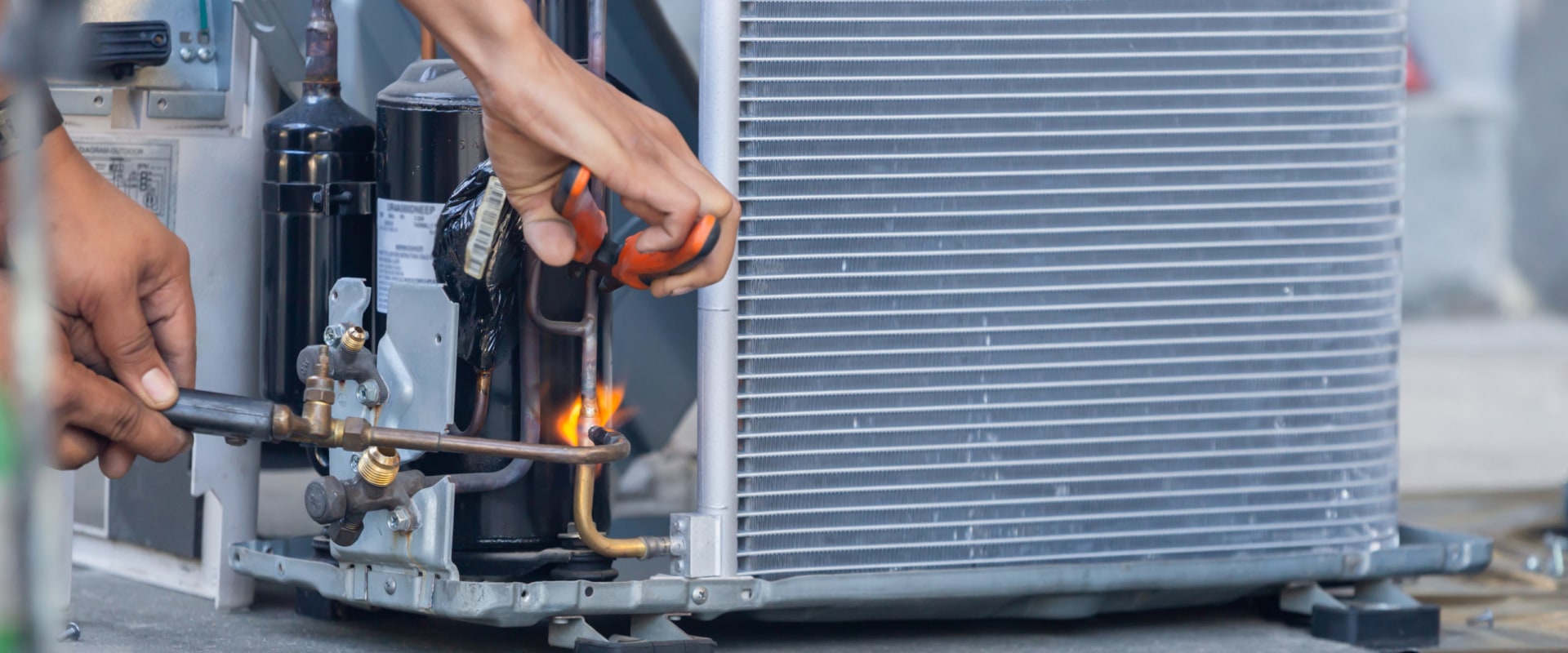
When it comes to maintaining a comfortable home environment, the efficiency and reliability of your HVAC system play a crucial role. As seasons change, the demand for effective heating and cooling becomes paramount, making the decision to replace an aging air conditioning system a significant one. Many homeowners may consider postponing this decision until 2023, but understanding the implications of such a delay is essential for ensuring long-term comfort and efficiency.Timely HVAC replacement is not just about upgrading to the latest technology; it’s about safeguarding your home against unexpected breakdowns and rising repair costs. An older system may struggle to keep up with your comfort needs, leading to inconsistent temperatures and increased energy bills.
Moreover, as systems age, they become less efficient, which can result in higher energy consumption and a larger carbon footprint. By opting for a replacement sooner rather than later, you can take advantage of modern HVAC services that offer improved energy efficiency and advanced features designed to enhance your home comfort.Additionally, waiting until 2023 could mean facing challenges related to availability and cost. As new regulations come into play regarding refrigerants and equipment standards, older models may become harder to service or replace. This could lead to longer wait times for repairs or even difficulties in finding compatible parts.
By acting now, you not only ensure that you have access to a wider selection of HVAC systems but also avoid potential delays that could leave you without adequate heating or cooling during peak seasons.
The Risks of Delaying HVAC Replacement
Delaying the replacement of your HVAC system can lead to a multitude of risks that may not be immediately apparent. While it might seem financially prudent to postpone such a significant investment, the long-term consequences can outweigh the short-term savings.Increased Repair Costs
As HVAC systems age, they become more prone to breakdowns and malfunctions. If you choose to wait, you may find yourself facing escalating repair costs. Frequent repairs can quickly add up, and in many cases, the cumulative expense of maintaining an aging system can exceed the cost of a new installation.
Additionally, older systems often require specialized parts that may become harder to find as manufacturers phase them out in favor of newer models.
Energy Inefficiency
Another significant risk associated with delaying HVAC replacement is energy inefficiency. Older systems are typically less efficient than their modern counterparts, leading to higher utility bills. According to the U. S.
Department of Energy, upgrading to a more efficient model can reduce energy consumption by 20% to 50%. This not only saves you money but also reduces your carbon footprint, making it a more environmentally friendly choice.
Likelihood of System Failure
As components wear out over time, the likelihood of complete system failure increases. An unexpected breakdown during peak heating or cooling seasons can leave you without comfort when you need it most. This situation can be particularly stressful and inconvenient, especially if you have family members who are sensitive to temperature changes.
Longer Wait Times for Repairs
When your HVAC system fails, you may experience longer wait times for repairs due to the unavailability of parts or technicians being booked up with other service calls.
This delay can exacerbate discomfort in your home and lead to further complications, such as water damage from a malfunctioning air conditioning unit.In conclusion, while it may be tempting to delay replacing your HVAC system, doing so poses significant risks that can lead to increased costs and discomfort. Investing in a new system sooner rather than later can provide peace of mind and long-term savings.
Impact of New Coolant Regulations on HVAC Systems
In recent years, the HVAC industry has undergone significant changes due to new coolant regulations aimed at reducing environmental impact. These regulations primarily focus on the phase-out of certain refrigerants that are harmful to the ozone layer and contribute to global warming. One of the most notable refrigerants affected by these changes is R-410A, which has been widely used in residential and commercial HVAC systems.The transition away from R-410A is not just a matter of compliance; it also has practical implications for homeowners.As manufacturers shift their production to comply with these regulations, the availability of R-410A may decrease over time. This could lead to increased costs for homeowners who need to recharge their systems or replace components that rely on this refrigerant. Additionally, as older systems become less common, finding replacement parts may become more challenging, resulting in longer wait times for repairs.Moreover, the introduction of new refrigerants often comes with a learning curve for HVAC technicians. While many professionals are adapting quickly, there may be a period during which fewer technicians are fully trained in handling these new substances.
This can lead to delays in service and potentially higher costs as demand for skilled labor increases.Homeowners should also consider the environmental impact of their HVAC choices. The new regulations are designed to promote more sustainable practices within the industry, encouraging the use of refrigerants with lower global warming potential (GWP). By replacing an older system now, homeowners can invest in more energy-efficient models that not only comply with current regulations but also contribute to a healthier planet.In summary, the impact of new coolant regulations on HVAC systems is multifaceted. Homeowners must weigh the potential challenges associated with R-410A availability and compliance against the benefits of upgrading to a more efficient system.
By acting sooner rather than later, you can ensure that your HVAC system remains reliable and compliant while also supporting environmental sustainability.
The Cost-Benefit Analysis of Replacing Your HVAC System Now
When considering whether to replace your HVAC system now or wait, a thorough cost-benefit analysis is essential. This analysis should encompass not only the immediate costs associated with purchasing a new system but also the long-term savings that can be realized through improved energy efficiency and reduced maintenance expenses.Initial Costs of a New HVAC System
- The upfront cost of a new HVAC system can vary significantly based on the type, size, and efficiency rating of the unit. On average, homeowners can expect to spend between $3,000 and $7,000 for a complete system installation.
- While this may seem like a substantial investment, it’s crucial to consider the potential savings on energy bills. Newer systems are designed to operate more efficiently, often achieving energy savings of 20% to 50% compared to older models.
Long-Term Savings
Investing in a new HVAC system can lead to significant long-term savings:
- Energy Efficiency: Modern HVAC systems utilize advanced technology that enhances their efficiency.
For instance, systems with a higher SEER (Seasonal Energy Efficiency Ratio) rating consume less energy while providing the same level of comfort.
- Reduced Maintenance Costs: Older systems often require frequent repairs and maintenance, which can add up over time. By replacing your HVAC system now, you can minimize these costs and enjoy peace of mind with warranties that cover parts and labor for several years.
- Increased Home Value: A new HVAC system can also increase your home’s market value. Potential buyers are often willing to pay more for homes equipped with modern, efficient heating and cooling systems.
Financing Options
If the initial cost is a concern, various financing options are available to help ease the financial burden:
- Flexible Payment Plans: Many HVAC companies offer financing plans that allow homeowners to pay for their new systems over time, making it more manageable to fit into your budget.
- Tax Credits and Rebates: Depending on your location and the type of system you choose, you may qualify for tax credits or rebates that can significantly reduce the overall cost.
Availability of Parts and Inventory Challenges
One of the most pressing concerns for homeowners considering whether to delay replacing their HVAC system is the availability of parts.As HVAC systems age, they become increasingly reliant on specific components that may no longer be in production. This can lead to significant challenges when repairs are needed, especially if you wait until 2023 to make a change.When an HVAC system reaches the end of its lifespan, finding replacement parts can become a daunting task. Many manufacturers phase out older models and their corresponding parts, which means that if your system breaks down, you might find yourself facing long wait times for repairs. This is particularly true during peak seasons when demand for HVAC services surges.
Supply chain issues
have also exacerbated this problem.
The global supply chain has faced numerous disruptions in recent years, leading to delays in manufacturing and shipping. As a result, even if a part is technically available, it may take much longer to receive it than it would have in the past. This can leave homeowners without essential heating or cooling for extended periods, causing discomfort and potential health risks.Moreover, as parts become scarce, prices can increase significantly. Homeowners who delay replacing their HVAC systems may find themselves paying more for repairs than they would have spent on a new unit.
In some cases, the cost of sourcing rare parts can exceed the price of a new system altogether.In addition to financial implications, the emotional toll of waiting for repairs can be substantial. Homeowners may experience stress and anxiety as they deal with uncomfortable temperatures in their homes while waiting for parts to arrive. This situation can be particularly challenging for families with young children or elderly members who are more sensitive to temperature fluctuations.To avoid these challenges, it is advisable to proactively replace an aging HVAC system rather than waiting until it fails. By doing so, you not only ensure that you have access to the latest technology and energy efficiency but also mitigate the risks associated with repair delays and inventory challenges.
Investing in a new system now can save you time, money, and stress in the long run.
Financing Options for Your New HVAC System
When it comes to replacing your HVAC system, the initial cost can be a significant concern for many homeowners. Fortunately, there are various HVAC financing options available that can help make this investment more manageable. Understanding these options can empower you to make a decision that fits your budget while ensuring your home remains comfortable.Flexible Payment Plans
Many HVAC service providers offer flexible payment plans that allow you to spread the cost of your new system over time. These plans often come with low or no interest rates, making it easier to fit the monthly payments into your budget.Before committing, be sure to ask about:
- Interest Rates: Look for competitive rates that won’t add excessive costs over time.
- Payment Terms: Understand the length of the payment plan and any penalties for early repayment.
- Down Payment Requirements: Some plans may require a down payment, while others may not.
Rent-to-Buy Options
A rent-to-buy HVAC option is an excellent alternative for homeowners who may not have the funds available for an outright purchase. This arrangement allows you to rent the system for a specified period, with the option to buy it at the end of the term. Benefits of this approach include:- No Large Upfront Costs: You can enjoy the benefits of a new system without a hefty initial investment.
- Trial Period: Renting allows you to assess the system's performance before making a long-term commitment.
- Potential for Equity: Payments made during the rental period may contribute toward the purchase price.
Government and Utility Programs
Many local governments and utility companies offer programs designed to assist homeowners in upgrading their HVAC systems. These programs may include:- Rebates: Cash incentives for purchasing energy-efficient systems.
- Low-Interest Loans: Financing options with favorable terms specifically for energy-efficient upgrades.
- Tax Credits: Potential tax deductions for qualifying energy-efficient installations.
By taking advantage of flexible payment plans, rent-to-buy options, and available government programs, you can ensure that your home remains comfortable without breaking the bank.
Expert Recommendations on When to Replace Your HVAC System
Deciding when to replace your HVAC system is a critical choice that can significantly impact your home’s comfort and energy efficiency. As an expert in HVAC services, I have compiled a list of key indicators and professional recommendations to help you make an informed decision.Signs You Need a New HVAC System
- Age of the System: If your HVAC system is over 15 years old, it may be time to consider a replacement. Older systems are less efficient and more prone to breakdowns.
- Frequent Repairs: If you find yourself calling for repairs multiple times a year, it may be more cost-effective to invest in a new system rather than continuing to patch up an aging unit.
- Increased Energy Bills: A sudden spike in your energy bills can indicate that your HVAC system is working harder than it should. This inefficiency often signals that the system is nearing the end of its lifespan.
- Inconsistent Temperatures: If certain rooms in your home are too hot or too cold, it may be a sign that your HVAC system is struggling to maintain even temperatures throughout your space.
- Noisy Operation: Unusual sounds such as banging, clanking, or hissing can indicate serious issues within the system, suggesting that replacement might be necessary.
Professional Advice on Replacement Timing
When considering the timing for replacing your HVAC system, it’s essential to consult with a qualified HVAC technician.
They can assess your current system's condition and provide tailored recommendations based on your specific needs. Here are some professional tips:
- Schedule Regular Maintenance: Regular check-ups can extend the life of your HVAC system and help identify potential issues before they become major problems.
- Consider Seasonal Trends: Replacing your HVAC system during the off-peak season can lead to better pricing and availability. Late fall or early spring are ideal times for installation.
- Evaluate Energy Efficiency Ratings: When selecting a new unit, look for models with high SEER (Seasonal Energy Efficiency Ratio) ratings. These systems will save you money on energy bills in the long run.
Don’t wait until it’s too late; proactive measures can ensure comfort and efficiency in your home.
Frequently Asked Questions About HVAC Replacement
When it comes to replacing your HVAC system, homeowners often have numerous questions and concerns. Understanding these can help you make an informed decision. Here are some of the most frequently asked questions regarding HVAC services and replacement:1.How do I know if my HVAC system needs to be replaced?
Several signs indicate that it may be time for a replacement:- Age: If your system is over 15 years old, it may be less efficient and more prone to breakdowns.
- Frequent Repairs: If you find yourself calling for repairs multiple times a year, it might be more cost-effective to invest in a new system.
- Increased Energy Bills: A sudden spike in your energy costs can indicate that your HVAC system is no longer operating efficiently.
- Inconsistent Temperatures: If certain rooms in your home are consistently too hot or too cold, this could signal that your system is struggling.
2.What are the benefits of replacing my HVAC system now?
Replacing your HVAC system sooner rather than later can offer several advantages:- Improved Efficiency: Newer models are designed to be more energy-efficient, which can lead to lower utility bills.
- Better Air Quality: Modern systems often come with advanced filtration options that can improve indoor air quality.
- Access to Rebates: Many manufacturers and local governments offer rebates for installing energy-efficient systems, which can help offset costs.
3.What should I consider when choosing a new HVAC system?
Selecting the right HVAC system involves several factors:- Size: An HVAC system must be appropriately sized for your home to function efficiently. An oversized or undersized unit can lead to problems.
- Energy Efficiency Ratings: Look for systems with high SEER (Seasonal Energy Efficiency Ratio) ratings for better efficiency.
- Brand Reputation: Research different brands and read reviews to find a reliable manufacturer.
Conclusion: The Case for Immediate Action on Your HVAC System
In summary, the decision to replace your HVAC system should not be postponed until 2023. The insights shared throughout this article highlight several critical factors that underscore the importance of taking immediate action.First and foremost, the repair or replace dilemma is a significant consideration.While minor repairs can extend the life of an older system, frequent breakdowns often indicate that replacement is the more prudent choice. Investing in a new HVAC system now can save you from ongoing repair costs and the frustration of unexpected failures.Moreover, the recent changes in coolant regulations have raised concerns about the availability and cost of replacement parts. However, as discussed, a well-maintained system can last for many years, and waiting for new regulations to take effect may lead to complications in sourcing parts and units. The longer you wait, the more likely you are to face delays and increased costs.Additionally, timely replacement ensures that you have access to a broader range of options.
As demand for HVAC systems rises, especially during peak seasons, waiting could limit your choices and lead to longer wait times for installation. By acting now, you can select a system that best fits your needs without being rushed into a decision.Finally, consider the financing options available to ease the financial burden of a new HVAC system. Many companies offer flexible payment plans that allow homeowners to invest in their comfort without straining their budgets.In conclusion, delaying the replacement of your HVAC system could result in higher costs, limited options, and unnecessary stress. By taking action today, you not only secure a reliable heating and cooling solution but also ensure peace of mind for years to come.
Don’t wait—contact your local HVAC services provider today to discuss your options and make an informed decision that benefits your home and family.