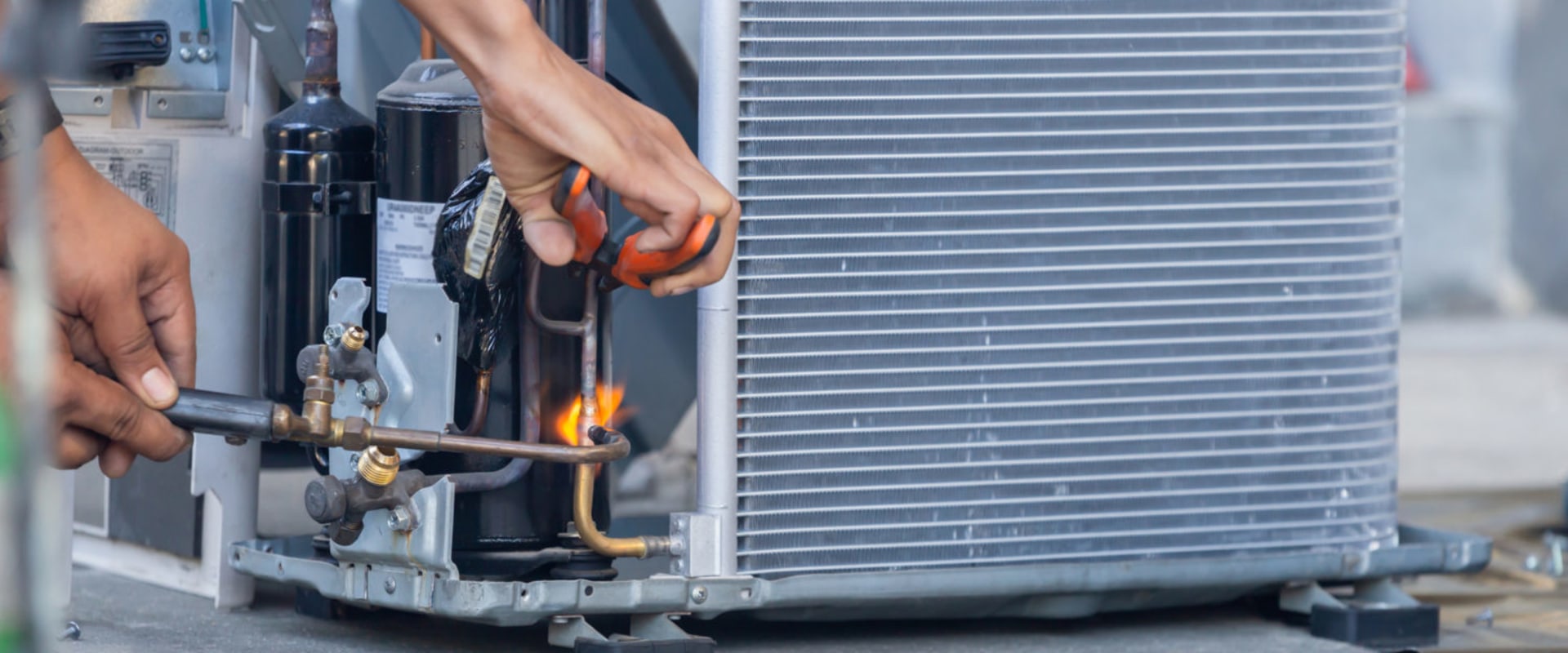
In today's world, the term HVAC has become synonymous with comfort and climate control within our homes and workplaces. HVAC stands for Heating, Ventilation, and Air Conditioning, a comprehensive system designed to regulate indoor temperatures, maintain air quality, and ensure a comfortable environment year-round. Understanding the intricacies of HVAC systems is essential for homeowners and business owners alike, as these systems play a pivotal role in our daily lives.At the core of any HVAC system are several key components that work in harmony to deliver optimal performance. These include the furnace or heat pump for heating, the air conditioning unit for cooling, ductwork for air distribution, and ventilation systems that facilitate fresh air intake and exhaust.
Each component serves a specific function, contributing to the overall efficiency and effectiveness of the system. For instance, a well-maintained furnace ensures that your home stays warm during winter months, while an efficient air conditioning unit keeps you cool in the summer heat.The importance of HVAC systems extends beyond mere comfort; they are crucial for maintaining indoor air quality and energy efficiency. Poorly functioning systems can lead to increased energy bills and health issues due to inadequate ventilation or contaminated air. Regular maintenance not only enhances the lifespan of these systems but also ensures they operate at peak efficiency, reducing energy consumption and costs.
By investing in preventive maintenance services, you can safeguard your HVAC system against unexpected breakdowns and costly repairs.In summary, understanding HVAC systems is vital for anyone looking to create a comfortable living or working environment. With their complex components and significant impact on our daily lives, prioritizing their maintenance is essential for ensuring long-term reliability and efficiency.
The Importance of Preventive Maintenance
Engaging in preventive maintenance for your HVAC system is not just a good practice; it is essential for ensuring the longevity and efficiency of your equipment. The benefits of regular maintenance extend far beyond mere functionality, impacting both your comfort and your wallet.Cost Savings
One of the most compelling reasons to invest in preventive maintenance is the potential for significant cost savings. Regularly serviced HVAC systems are less likely to experience major breakdowns, which can lead to expensive repairs or even complete system replacements.
By addressing minor issues before they escalate, homeowners can avoid the financial burden associated with emergency repairs.
Improved Efficiency
Another critical benefit of preventive maintenance is improved energy efficiency. An HVAC system that is well-maintained operates more effectively, consuming less energy to achieve the desired temperature. This not only reduces your monthly utility bills but also lessens your environmental impact. For instance, cleaning or replacing filters, checking refrigerant levels, and ensuring that all components are functioning optimally can lead to a noticeable decrease in energy consumption.
Extended Lifespan
Regular maintenance plays a vital role in extending the lifespan of your HVAC system.
Just like any other mechanical system, HVAC units require care and attention to perform at their best. Components such as motors, fans, and compressors can wear out prematurely if not properly maintained. By scheduling routine inspections and servicing, you can ensure that these parts are functioning correctly and replace them as needed before they cause further damage.
Enhanced Comfort
A well-maintained HVAC system provides consistent heating and cooling throughout your home, enhancing overall comfort. Preventive maintenance helps to ensure that air flows freely through ducts and vents, preventing hot or cold spots in your living space.
This consistent performance is crucial for maintaining a comfortable environment year-round.
Peace of Mind
Finally, engaging in preventive maintenance offers peace of mind. Knowing that your HVAC system is regularly checked and serviced allows you to focus on other aspects of homeownership without worrying about unexpected breakdowns or costly repairs. It fosters a sense of security that comes from knowing you are taking proactive steps to protect your investment.In conclusion, the importance of preventive maintenance for HVAC systems cannot be overstated. From cost savings and improved efficiency to extended lifespan and enhanced comfort, the benefits are clear.
Investing in regular maintenance is a smart decision that pays off in numerous ways.
Key Components of an HVAC Preventive Maintenance Checklist
To ensure the longevity and efficiency of your HVAC system, a well-structured preventive maintenance checklist is essential. This checklist should encompass a variety of tasks that address both the heating and cooling components of your system. Below are the key components that should be included in your HVAC maintenance checklist:- Cleaning Coils and Condensers: One of the most critical tasks is to clean the evaporator and condenser coils. Dust and debris can accumulate on these components, reducing their efficiency.
Regular cleaning helps maintain optimal heat exchange, which is vital for effective cooling and heating.
- Replacing Air Filters: Air filters play a crucial role in maintaining indoor air quality and system efficiency. Dirty filters can restrict airflow, causing the system to work harder and potentially leading to breakdowns. It is recommended to check and replace filters every 1-3 months, depending on usage.
- Inspecting Ductwork: Leaks or blockages in ductwork can significantly impact system performance. Inspecting ducts for any signs of wear or damage ensures that air is distributed evenly throughout your home.
Sealing leaks can improve energy efficiency and reduce utility bills.
- Checking Thermostat Settings: Ensure that your thermostat is functioning correctly and set to the appropriate temperature. A malfunctioning thermostat can lead to discomfort and increased energy costs. Consider upgrading to a programmable thermostat for better control over your HVAC system.
- Examining Electrical Components: Regularly inspect electrical connections, including wiring and terminals, for signs of wear or corrosion. Tightening loose connections can prevent potential hazards and ensure safe operation.
- Inspecting the Outdoor Unit: The outdoor unit should be free from debris such as leaves, dirt, or snow that could obstruct airflow.
Ensure that the unit is level and that there are no signs of rust or damage.
- Lubricating Moving Parts: Components such as fans and motors require lubrication to operate smoothly. Regularly lubricating these parts reduces friction, which can lead to wear over time.
- Checking Refrigerant Levels: Low refrigerant levels can indicate a leak, which can severely affect system performance. Regular checks ensure that refrigerant levels are adequate for efficient operation.
Seasonal Maintenance: Spring and Fall Preparations
Seasonal maintenance is a critical aspect of ensuring your HVAC system operates efficiently throughout the year.As the seasons change, so do the demands placed on your heating and cooling systems. Proper preparation during spring and fall can significantly enhance performance, extend the lifespan of your equipment, and improve energy efficiency.
Spring HVAC Maintenance Tips
As winter fades and temperatures begin to rise, it’s essential to prepare your HVAC system for the cooling demands of summer. Here are some key steps to consider:- Inspect and Clean the Air Conditioning Unit: Start by checking the outdoor unit for any debris, such as leaves or dirt, that may have accumulated over the winter. Clear away any obstructions to ensure proper airflow.
- Change or Clean Filters: Dirty filters can restrict airflow and reduce efficiency.
Replace or clean your filters monthly during peak usage months to maintain optimal performance.
- Check Refrigerant Levels: Low refrigerant levels can lead to inadequate cooling. Have a professional check and recharge the refrigerant if necessary.
- Test Thermostat Settings: Ensure that your thermostat is functioning correctly and set to the desired temperature. Consider upgrading to a programmable thermostat for better energy management.
Fall HVAC Maintenance Tips
As temperatures drop and heating demands increase, preparing your HVAC system for winter is equally important. Here are some essential fall maintenance tips:- Inspect Heating Components: Check the furnace or heat pump for any signs of wear or damage.
Look for rust, corrosion, or unusual noises that may indicate a problem.
- Clean Ducts and Vents: Dust and debris can accumulate in ducts over time, affecting air quality and efficiency. Schedule a professional duct cleaning if necessary.
- Test Heating System: Run your heating system before the cold weather sets in to ensure it operates correctly. This early detection can prevent unexpected breakdowns during winter.
- Seal Leaks: Inspect windows and doors for drafts and seal any leaks to improve energy efficiency. Consider adding insulation where needed to keep warm air inside.
Regular attention to these tasks can lead to significant savings on energy bills and reduce the likelihood of costly repairs down the line.
Common Issues Prevented by Regular Maintenance
Regular preventive maintenance of your HVAC system is not just a good practice; it is essential for avoiding a range of common issues that can arise from neglect. By investing time and resources into routine checks, homeowners can significantly reduce the likelihood of encountering serious problems that could lead to costly repairs or replacements.1.Reduced Risk of Breakdowns
One of the most significant benefits of regular HVAC maintenance is the reduced risk of unexpected breakdowns. Systems that are not routinely serviced are more prone to sudden failures, often at the most inconvenient times. Regular checks allow technicians to identify and address minor issues before they escalate into major malfunctions.2.Improved Air Quality
Neglecting your HVAC system can lead to poor indoor air quality, which can have serious health implications.Dust, mold, and allergens can accumulate in the system and be circulated throughout your home. Regular maintenance includes cleaning and replacing filters, which helps ensure that the air you breathe is clean and healthy.
3.Enhanced Energy Efficiency
An HVAC system that is not properly maintained will struggle to operate efficiently, leading to increased energy consumption and higher utility bills. Regular maintenance helps keep components like coils and filters clean, allowing the system to run smoothly and efficiently. This not only saves money but also reduces your carbon footprint.4.Extended Equipment Lifespan
HVAC systems are a significant investment for homeowners.Regular maintenance can extend the lifespan of your equipment by ensuring that all components are functioning correctly and efficiently. By addressing wear and tear early on, you can avoid premature replacements and maximize your investment.
5.Prevention of Costly Repairs
Many HVAC issues can be traced back to a lack of maintenance. For example, failing to clean the condenser coils can lead to overheating and compressor failure, which are expensive repairs. Regular inspections allow for early detection of potential problems, saving you from costly repairs down the line.6.Consistent Comfort Levels
A well-maintained HVAC system provides consistent heating and cooling throughout your home.Neglecting maintenance can lead to uneven temperatures, where some rooms may be too hot or too cold. Regular checks ensure that your system is balanced and operating as intended.In summary, regular preventive maintenance is crucial for avoiding common HVAC issues such as breakdowns, poor air quality, inefficiency, shortened lifespan, costly repairs, and inconsistent comfort levels. By prioritizing routine care for your HVAC system, you not only protect your investment but also enhance the overall comfort and health of your home.
Energy Efficiency and Cost Savings Through Maintenance
Maintaining your HVAC system is not just about ensuring comfort; it also plays a crucial role in enhancing energy efficiency and achieving significant cost savings on your utility bills. Regular maintenance can lead to a more efficient system, which translates into lower energy consumption and reduced monthly expenses.One of the primary ways that preventive maintenance boosts energy efficiency is by ensuring that all components of the HVAC system are functioning optimally.For instance, clean filters allow for better airflow, which means the system doesn’t have to work as hard to heat or cool your home. When filters are clogged, the system struggles, leading to increased energy use and higher bills.Additionally, regular inspections and tune-ups can identify issues such as refrigerant leaks or malfunctioning thermostats. These problems can significantly impact the efficiency of your HVAC system. By addressing these issues promptly, you can prevent them from escalating into more severe problems that require costly repairs or replacements.
Understanding Energy Consumption
HVAC systems account for a substantial portion of energy consumption in residential and commercial buildings—often up to 50% of total energy use.Therefore, even small improvements in efficiency can lead to substantial savings. For example:
- Regular Cleaning: Keeping coils and condensers clean ensures that heat exchange occurs efficiently, reducing the amount of energy required to maintain desired temperatures.
- Proper Insulation: Ensuring that ducts are sealed and insulated properly prevents conditioned air from escaping, which helps maintain temperature without overworking the system.
- System Calibration: Regularly calibrating thermostats ensures that they accurately reflect the temperature in your home, preventing unnecessary heating or cooling.
The Long-Term Financial Benefits
The financial benefits of regular HVAC maintenance extend beyond immediate savings on utility bills.By keeping your system running efficiently, you can prolong its lifespan, delaying the need for expensive replacements. A well-maintained HVAC unit can last up to 15 years or more, while neglecting maintenance can shorten its lifespan significantly.In conclusion, prioritizing regular HVAC maintenance not only enhances energy efficiency but also leads to substantial cost savings. By investing in preventive measures today, you can enjoy a comfortable living environment while minimizing your energy expenses for years to come.
Choosing the Right HVAC Services for Maintenance
When it comes to maintaining your HVAC system, selecting the right HVAC service providers is crucial for ensuring optimal performance and longevity. With numerous contractors available, it can be challenging to determine which one will meet your needs effectively.Here are some essential factors to consider when choosing an HVAC contractor for preventive maintenance:
- Experience and Expertise: Look for contractors with a proven track record in the HVAC industry. Companies that have been in business for several years often have the experience necessary to handle various HVAC systems and issues. Check their qualifications, certifications, and any specialized training they may have.
- Reputation: Research the reputation of potential HVAC service providers. Read online reviews, testimonials, and ratings on platforms like Google, Yelp, or Angie's List.
A contractor with a solid reputation is more likely to provide reliable services.
- Licensing and Insurance: Ensure that the HVAC contractor is licensed to operate in your state and carries adequate insurance coverage. This protects you from liability in case of accidents or damages during maintenance work.
- Service Offerings: Different contractors may offer varying levels of service. Some may specialize in specific types of systems or brands, while others provide comprehensive maintenance packages. Make sure the contractor you choose can meet your specific needs.
- Transparent Pricing: Request detailed estimates from multiple contractors before making a decision.
A reputable HVAC service provider should offer transparent pricing without hidden fees. Compare quotes to ensure you are getting a fair deal.
- Customer Service: Evaluate the level of customer service provided by the contractor. Are they responsive to inquiries? Do they take the time to explain their services? Good communication is vital for a successful working relationship.
- Preventive Maintenance Plans: Inquire about any preventive maintenance plans they offer. Regular maintenance contracts can save you money in the long run by preventing costly repairs and ensuring your system operates efficiently.
Investing time in choosing the right service provider will pay off through improved system performance and peace of mind.
DIY vs. Professional Maintenance: What You Need to Know
When it comes to maintaining your HVAC system, homeowners often face the dilemma of whether to tackle maintenance tasks themselves or hire professional HVAC services. Each approach has its own set of advantages and disadvantages, and understanding these can help you make an informed decision.Pros of DIY HVAC Maintenance
- Cost Savings: One of the most significant benefits of DIY maintenance is the potential for cost savings. By handling simple tasks like changing filters or cleaning vents yourself, you can avoid service fees associated with hiring professionals.
- Flexibility: DIY maintenance allows you to schedule tasks at your convenience.
You can perform checks and cleanings when it fits into your schedule, rather than coordinating with a technician's availability.
- Learning Experience: Engaging in DIY maintenance can provide valuable knowledge about your HVAC system. Understanding how your system works can empower you to identify issues early and take appropriate action.
Cons of DIY HVAC Maintenance
- Limited Expertise: While some tasks are straightforward, others require specialized knowledge. Attempting complex repairs without proper training can lead to further damage or safety hazards.
- Time-Consuming: DIY maintenance can be time-consuming, especially if you're unfamiliar with the tasks. This may lead to neglecting important maintenance due to time constraints.
- No Warranty Protection: Many HVAC systems come with warranties that require professional servicing.
Failing to adhere to these requirements could void your warranty, leading to costly repairs down the line.
When to Call a Professional
While DIY maintenance is suitable for basic tasks, there are specific situations where calling in a professional is essential:- Complex Repairs: If you encounter issues such as refrigerant leaks, electrical problems, or unusual noises, it's best to consult a professional. These problems often require specialized tools and expertise.
- Annual Inspections: Scheduling regular inspections with a qualified technician ensures that your system operates efficiently and safely. Professionals can identify potential issues before they escalate into major problems.
- System Installations: If you're considering upgrading or replacing your HVAC system, hiring a professional is crucial. Proper installation is key to ensuring optimal performance and longevity.
By understanding the pros and cons of each approach, you can make informed decisions that will keep your system running smoothly while also protecting your investment.
FAQs About HVAC Preventive Maintenance
When it comes to HVAC preventive maintenance, many homeowners have questions that can help them better understand the importance and process of keeping their systems in top shape. Below are some of the most frequently asked questions regarding HVAC maintenance.What is HVAC preventive maintenance?
HVAC preventive maintenance
refers to the regular, scheduled inspections and servicing of heating, ventilation, and air conditioning systems. The goal is to identify potential issues before they escalate into costly repairs or system failures. This proactive approach not only enhances system efficiency but also extends the lifespan of your HVAC equipment.
How often should I schedule preventive maintenance?
It is generally recommended to schedule HVAC preventive maintenance at least twice a year—once in the spring for your air conditioning system and once in the fall for your heating system.This ensures that both systems are operating efficiently and are ready for seasonal changes.
What does a typical HVAC maintenance service include?
- Inspection and cleaning of coils and condensers
- Replacement of air filters
- Checking refrigerant levels
- Testing thermostat accuracy
- Inspecting ductwork for leaks
- Lubricating moving parts
- Checking electrical connections
Can I perform HVAC maintenance myself?
While some basic tasks, such as changing air filters, can be done by homeowners, it is advisable to hire a professional for comprehensive HVAC maintenance. Professionals have the expertise and tools necessary to identify issues that may not be visible to the untrained eye.What are the benefits of regular HVAC maintenance?
- Improved energy efficiency: Regular maintenance helps your system run more efficiently, reducing energy costs.
- Extended lifespan: Keeping your system well-maintained can significantly extend its operational life.
- Enhanced indoor air quality: Routine checks ensure that your home’s air remains clean and free from pollutants.
- Fewer repairs: Preventive maintenance can catch small issues before they become major problems, saving you money on repairs.
What should I do if my HVAC system is not working properly?
If you notice any irregularities in your HVAC system's performance, such as unusual noises, inconsistent temperatures, or increased energy bills, it’s essential to contact a professional HVAC service provider immediately. Early intervention can prevent further damage and costly repairs.By addressing these common questions about HVAC preventive maintenance, homeowners can make informed decisions that lead to better care for their systems and improved comfort in their homes.Conclusion: The Value of Regular Preventive Maintenance for Your HVAC System
In conclusion, the significance of regular preventive maintenance for your HVAC system cannot be overstated. As we have explored throughout this guide, a well-maintained HVAC system not only enhances comfort but also ensures energy efficiency and longevity.By adhering to a structured maintenance schedule, homeowners can avoid unexpected breakdowns and costly repairs, ultimately protecting their investment.To recap, here are the key benefits of engaging in regular preventive maintenance:
- Improved Efficiency: Regular maintenance helps keep your HVAC system running at peak efficiency. Clean coils, filters, and ducts allow for optimal airflow, reducing energy consumption and lowering utility bills.
- Extended Lifespan: Just like any other mechanical system, your HVAC unit benefits from routine care. Preventive maintenance can significantly extend the lifespan of your equipment, delaying the need for expensive replacements.
- Enhanced Air Quality: A well-maintained HVAC system contributes to better indoor air quality. Regular filter changes and cleaning prevent dust, allergens, and pollutants from circulating in your home.
- Early Problem Detection: Routine inspections can identify potential issues before they escalate into major problems.
This proactive approach allows for timely repairs, saving you both time and money.
- Comfort Consistency: Regular maintenance ensures that your HVAC system operates smoothly, providing consistent heating and cooling throughout your home. This reliability is essential for maintaining a comfortable living environment.
Make it a priority to schedule regular maintenance with a trusted HVAC service provider to ensure that your home remains comfortable and efficient year-round.