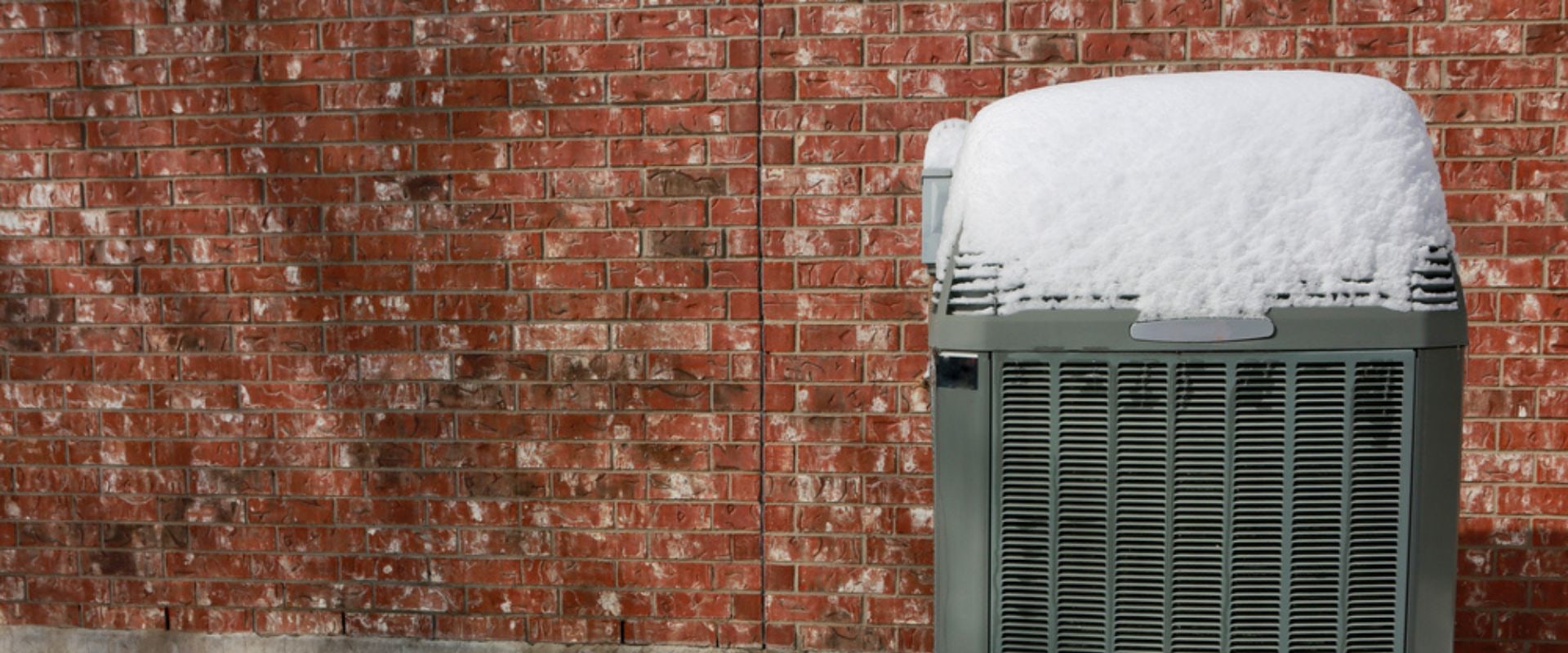
The HVAC market is a complex and dynamic landscape that significantly influences the timing of air conditioner purchases. Understanding this market is essential for consumers looking to make informed decisions about their HVAC services. The demand for air conditioning units fluctuates throughout the year, driven by seasonal changes, economic factors, and advancements in technology. As summer approaches, the urgency to purchase air conditioners increases, leading to higher demand and often higher prices.
Conversely, during the off-peak seasons, such as winter, many consumers mistakenly believe they can secure better deals. However, this assumption can be misleading.Market trends indicate that manufacturers often release new models in the spring, which can affect pricing and availability. As older models are phased out, consumers may find themselves with limited options if they wait too long to make a purchase. Additionally, HVAC companies frequently offer promotions and discounts just before the peak season to encourage early buying.
This creates a window of opportunity for savvy shoppers who are aware of these trends.Moreover, understanding the various types of air conditioning systems available is crucial when navigating the HVAC market. From window units to central air systems, each type comes with its own set of advantages and price points. Consumers should consider their specific needs and budget while also keeping an eye on energy efficiency ratings, which can lead to long-term savings on utility bills.In summary, timing your purchase in relation to HVAC market trends can have a significant impact on both cost and efficiency. By staying informed about when to buy an air conditioner and understanding the broader dynamics of the HVAC industry, consumers can make choices that not only meet their immediate cooling needs but also align with their financial goals.
When is the Best Time to Buy an Air Conditioner?
Determining the best time to buy an air conditioner involves understanding seasonal buying trends and market demand.While many homeowners might think that purchasing an air conditioning unit during the off-season, such as winter, is the most economical choice, this is often a misconception. In reality, the ideal time to invest in a new air conditioning system is late spring, just before the summer heat sets in.During late spring, typically from mid-April to early June, demand for air conditioning units begins to rise significantly. Homeowners are preparing for the warmer months ahead, leading to increased sales and promotions from HVAC companies. This period often sees competitive pricing and special offers, making it a prime time for purchasing a new unit.In addition to favorable pricing, buying during this season allows for timely installation.
HVAC professionals are generally less busy than in peak summer months when they are inundated with service calls and installations. This means you can expect quicker service and potentially more flexible scheduling options.However, if you find yourself needing to purchase an air conditioner outside of this optimal window, there are still opportunities for savings:
- Late Winter (February to March): This period can offer lower prices as retailers may be looking to clear out inventory before the busy season begins. While selection may be limited, you can find good deals on older models or units that have been returned.
- End of Summer (August to September): As summer winds down, many retailers will discount air conditioning units to make room for fall and winter products. This can be a great time to buy if you’re not in immediate need of cooling.
- Holiday Sales: Keep an eye out for holiday promotions around Memorial Day or Labor Day.
Many HVAC companies offer special deals during these times.
The Impact of Seasonal Demand on Pricing
Understanding the seasonal demand for air conditioners is crucial for consumers looking to make informed purchasing decisions.The HVAC industry experiences significant fluctuations in demand throughout the year, which directly impacts pricing strategies. During peak seasons, particularly in late spring and early summer, the demand for air conditioning units surges as homeowners prepare for the heat. This increased demand often leads to higher prices, as manufacturers and retailers capitalize on the urgency of consumers needing cooling solutions.Conversely, during the off-peak months, such as late fall and winter, demand typically decreases. Many consumers mistakenly believe that this is the best time to purchase an air conditioner due to lower prices.
However, while prices may drop slightly during these months, they are often not as low as one might expect. HVAC companies are still busy with heating systems during winter, which can lead to increased operational costs that are passed on to consumers.To navigate these pricing trends effectively, consumers should consider a few key strategies:
- Timing Your Purchase: Aim to purchase your air conditioning unit in late winter or early spring, just before the peak season begins. This timing allows you to take advantage of lower prices while ensuring availability before the summer rush.
- Researching Discounts: Many HVAC companies offer promotions or discounts during transitional seasons. Keep an eye out for sales events or special offers that can significantly reduce your overall costs.
- Bundling Services: If you’re considering other HVAC services, such as heating system replacements or maintenance, inquire about bundling options.
Many companies provide discounts when multiple services are contracted simultaneously.
- Investing in Energy Efficiency: While high-efficiency models may have a higher upfront cost, they often come with rebates and tax incentives that can offset initial expenses. Additionally, these units can lead to substantial savings on energy bills over time.
Types of Air Conditioning Systems and Their Costs
When considering the purchase of a new air conditioning system, it's essential to understand the various types available and their associated costs. Each type of air conditioner has its own advantages and disadvantages, making it crucial to choose one that aligns with your specific needs and budget.1.Central Air Conditioning Systems
Central air conditioning systems are designed to cool an entire home through a network of ducts.These systems are typically more expensive upfront, with installation costs ranging from $3,000 to $7,000 , depending on the size of your home and the complexity of the installation. However, they offer several benefits:
- Efficiency: Central systems are generally more energy-efficient than window units, especially when properly maintained.
- Comfort: They provide consistent cooling throughout your home, eliminating hot spots.
- Noise Level: Central units operate quietly compared to window units, as the compressor is located outside.
2.Window Air Conditioners
Window air conditioners are a popular choice for those looking for a more affordable option. These units are installed in a window frame and are ideal for cooling single rooms or small spaces. The cost of window units typically ranges from $150 to $800 , making them accessible for many homeowners.Key features include:
- Affordability: Lower initial investment compared to central systems.
- Easy Installation: Most window units can be installed without professional help.
- Portability: They can be removed and relocated easily if needed.
3.Ductless Mini-Split Systems
Ductless mini-split systems offer a middle ground between central air conditioning and window units. These systems consist of an outdoor compressor and one or more indoor air-handling units. Installation costs typically range from $2,000 to $5,000. Benefits include:- Zoning Capability: You can control the temperature in different areas of your home independently.
- No Ductwork Required: Ideal for homes without existing ductwork.
- Energy Efficiency: Many models have high SEER ratings, leading to lower energy bills.
By understanding these options, you can make an informed decision that will keep you comfortable during the hot summer months while also being mindful of your budget.
How to Save Money When Buying an Air Conditioner
Purchasing a new air conditioner can be a significant investment, but there are several strategies you can employ to save money during the process. Here are some practical tips to help you maximize your budget while ensuring you get a quality unit.- Look for Seasonal Discounts: Many HVAC companies offer promotions during the off-peak seasons, particularly in late winter or early spring. This is when they are eager to clear out older inventory before the summer rush. Keep an eye out for sales events or special offers that can significantly reduce the overall cost of your new air conditioning system.
- Inquire About Tax Incentives: If you opt for an energy-efficient model, you may qualify for federal or state tax credits.
The government often provides incentives to encourage homeowners to invest in energy-saving appliances. Research available programs in your area and consult with your HVAC provider to ensure you take full advantage of these savings.
- Negotiate Installation Costs: Don’t hesitate to discuss installation fees with your HVAC contractor. Many companies are willing to negotiate, especially if you are purchasing multiple systems or additional services. Ask about package deals that combine air conditioning installation with other HVAC services, such as heating system upgrades or air quality improvements.
- Consider Financing Options: Some HVAC companies offer financing plans that allow you to spread the cost of your new air conditioner over several months or years.
This can make it easier to manage your budget while still investing in a high-quality unit. Be sure to read the terms carefully and understand any interest rates or fees associated with financing.
- Take Advantage of Manufacturer Rebates: Many manufacturers provide rebates on their products, especially for energy-efficient models. Check the manufacturer’s website or ask your HVAC contractor about any current rebate programs that could apply to your purchase.
- Ask About Free Upgrades: When purchasing a new air conditioning system, inquire if the company offers any complimentary upgrades, such as smart thermostats or enhanced filtration systems. These additions can improve your system's efficiency and help reduce long-term energy costs.
Always remember to do thorough research and consult with professionals in HVAC services to make informed decisions that align with your budget and comfort requirements.
Long-Term Cost Considerations for Air Conditioning Units
When considering the purchase of a new air conditioning unit, it is crucial to look beyond the initial price tag and evaluate the long-term costs associated with ownership. This includes not only the upfront cost of the unit but also ongoing expenses such as energy consumption and maintenance.Energy Efficiency Savings
One of the most significant factors influencing long-term costs is the energy efficiency of the air conditioning system. Modern units often come with higher SEER (Seasonal Energy Efficiency Ratio) ratings, which indicate better energy performance. Investing in a high-efficiency model can lead to substantial savings on your monthly utility bills.
For instance, a unit with a SEER rating of 16 can save you up to 50% on cooling costs compared to an older model with a SEER rating of 10.Additionally, many utility companies offer rebates or incentives for homeowners who choose energy-efficient systems. These programs can help offset the initial investment, making it more financially viable to opt for a higher-end model.
Maintenance Costs
Another critical aspect to consider is the maintenance costs associated with your air conditioning unit. Regular maintenance is essential for ensuring optimal performance and longevity. This typically includes tasks such as cleaning or replacing filters, checking refrigerant levels, and inspecting electrical components.
Neglecting these tasks can lead to decreased efficiency and potentially costly repairs down the line.Many HVAC professionals recommend scheduling annual maintenance checks, which can range from $75 to $150 per visit. However, some manufacturers offer extended warranties that include maintenance services, which can help mitigate these costs over time.
Overall Impact on Savings
When you factor in both energy efficiency and maintenance costs, the long-term savings can be significant. A well-maintained, energy-efficient air conditioning unit not only reduces your carbon footprint but also contributes to lower overall household expenses. Therefore, while it may be tempting to choose a less expensive model initially, considering the long-term implications can lead to better financial decisions in the future.In conclusion, when purchasing an air conditioning unit, always weigh the long-term costs against the initial investment.
By prioritizing energy efficiency and planning for regular maintenance, you can ensure that your air conditioning system remains a cost-effective solution for years to come.
Common Myths About Buying Air Conditioners
When it comes to purchasing an air conditioner, many consumers are influenced by a variety of myths and misconceptions. These misunderstandings can lead to poor purchasing decisions and ultimately affect the comfort of your home. Here, we will debunk some of the most common myths surrounding air conditioner purchases.Myth 1: Buying in Winter is Always Cheaper
One prevalent belief is that purchasing an air conditioner during the winter months will yield the best prices. While it’s true that demand for air conditioning units is lower in winter, this does not necessarily translate to lower prices.
HVAC companies often focus on heating systems during this season, which can lead to higher service costs and longer wait times for installation. Additionally, many manufacturers may not offer significant discounts during this period.
Myth 2: All Air Conditioners Are the Same
Another misconception is that all air conditioning units function similarly. In reality, there are various types of air conditioning systems, including central air systems, ductless mini-splits, and window units, each with distinct features and efficiencies. Understanding the differences can help you choose a system that best fits your home’s needs and your budget.
Myth 3: Higher Price Equals Better Quality
While it’s often true that more expensive models come with advanced features and better energy efficiency, a higher price tag does not always guarantee superior quality.
It’s essential to research specific brands and models, read reviews, and consult with HVAC services professionals to find a unit that offers the best value for your investment.
Myth 4: You Don’t Need Professional Installation
Some homeowners believe they can save money by installing their air conditioning units themselves. However, improper installation can lead to inefficiencies, increased energy costs, and even damage to the unit. Hiring qualified HVAC services ensures that your system is installed correctly and operates at peak efficiency.
Myth 5: Maintenance Isn’t Necessary
A common myth is that once an air conditioner is installed, it requires no further attention. Regular maintenance is crucial for ensuring optimal performance and longevity of your unit.
Neglecting routine checks can lead to costly repairs down the line. Scheduling annual maintenance with a trusted HVAC service provider can help keep your system running smoothly.By debunking these myths, consumers can make more informed decisions when purchasing an air conditioner. Understanding the facts will not only help you choose the right system but also ensure you get the best value for your investment.
Expert Tips for Choosing the Right HVAC Service Provider
Choosing the right HVAC service provider is crucial for ensuring that your heating and cooling systems operate efficiently and effectively. With so many options available, it can be overwhelming to find a reliable company that meets your needs.Here are some expert tips to help you navigate the selection process.
- Check Credentials and Licensing: Always verify that the HVAC company you are considering is licensed and insured. A reputable provider will have the necessary certifications to perform HVAC services legally and safely. This not only protects you but also ensures that the technicians are trained and knowledgeable.
- Read Reviews and Testimonials: Look for customer reviews on platforms like Google, Yelp, or the Better Business Bureau. Positive feedback from previous clients can give you insight into the company’s reliability, quality of work, and customer service.
Pay attention to how the company responds to negative reviews as well.
- Ask About Experience: Inquire about how long the company has been in business. An established HVAC provider with years of experience is likely to have a proven track record of success. They will also be more familiar with various systems and potential issues that may arise.
- Request Estimates: Before making a decision, obtain written estimates from multiple companies. This will help you compare prices and services offered.
Be cautious of quotes that seem unusually low, as they may indicate subpar work or hidden fees.
- Inquire About Warranties: A trustworthy HVAC service provider should offer warranties on both their labor and the equipment they install. This demonstrates their confidence in their work and provides you with peace of mind in case something goes wrong after installation.
- Evaluate Customer Service: Pay attention to how the company communicates with you during your initial interactions. Are they responsive to your questions? Do they provide clear explanations? Good customer service is essential for a positive experience throughout the process.
- Ask About Maintenance Plans: Regular maintenance is key to prolonging the life of your HVAC system. Inquire if the company offers maintenance plans that include routine check-ups, which can save you money in the long run by preventing costly repairs.
A reliable company will not only ensure your system operates efficiently but also provide you with exceptional service throughout its lifespan.
<strong>Conclusion</strong>
In conclusion, determining the best time to buy an air conditioner is a multifaceted decision that requires careful consideration of various factors. Throughout this article, we have explored the common misconceptions surrounding the timing of air conditioner purchases and highlighted the importance of understanding market trends and seasonal demand.One of the key takeaways is that while many believe winter is the ideal time to purchase an air conditioning unit due to perceived lower prices, this is often not the case. HVAC companies are typically busy with heating systems during colder months, which can lead to increased costs and longer wait times for installation. Instead, aiming for a purchase just before summer can yield better deals and more options, as many companies offer promotions during this peak season.Additionally, we discussed the significance of considering the type of air conditioning system that best fits your home and budget.Whether you opt for a window unit or a central air system, understanding the long-term costs associated with energy efficiency can greatly influence your decision. Investing in a high-efficiency model may come with a higher upfront cost but can lead to substantial savings on utility bills over time.Moreover, it’s essential to explore potential discounts and incentives available for energy-efficient models. Many HVAC services offer rebates or tax credits that can significantly reduce your overall expenditure. Don’t hesitate to ask about any available upgrades, such as smart thermostats, which can enhance your system's efficiency and provide further savings.Ultimately, timing your purchase is crucial, but it should also be complemented by thorough research and consultation with HVAC professionals.
Engaging with experts can provide valuable insights tailored to your specific needs and local market conditions.As you consider your options, remember that making an informed decision will not only ensure comfort in your home but also contribute to long-term savings and efficiency. By taking the time to evaluate all these factors, you can confidently choose the right moment to invest in a new air conditioning system.