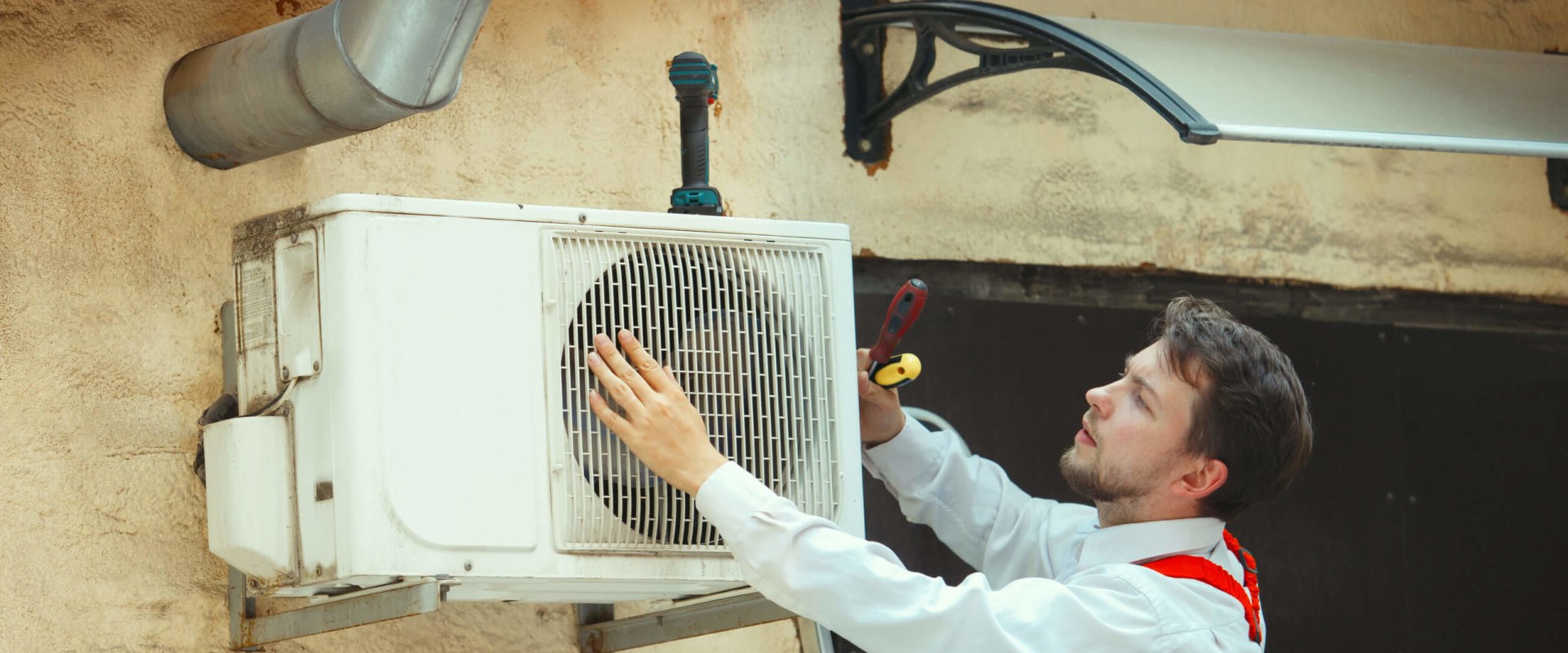
Heating, ventilation, and air conditioning, commonly referred to as HVAC, is an essential system that plays a pivotal role in maintaining indoor comfort across various environments, from residential homes to commercial buildings. Understanding the intricacies of HVAC systems is crucial for homeowners and business operators alike, as these systems not only regulate temperature but also ensure optimal air quality and humidity levels. By comprehending the components and functions of HVAC systems, individuals can appreciate their significance in creating a comfortable living or working space.An HVAC system comprises several key components that work in harmony to deliver heating and cooling. These include the furnace or heat pump for heating, the air conditioner for cooling, ductwork for air distribution, and ventilation systems that facilitate fresh air intake and exhaust.
Each component serves a specific purpose: the furnace generates heat, the air conditioner cools the air, and the ductwork ensures that conditioned air reaches every corner of a building. Additionally, thermostats control the system's operation, allowing users to set their desired temperature and maintain comfort efficiently.The importance of HVAC systems extends beyond mere comfort; they are vital for health and safety as well. Properly functioning HVAC systems help filter out pollutants, allergens, and other harmful particles from the air, contributing to better indoor air quality. Furthermore, maintaining appropriate humidity levels can prevent mold growth and protect building materials from damage.
In essence, a well-maintained HVAC system is not just about comfort; it is about creating a safe and healthy environment for occupants.
The Importance of Regular HVAC Maintenance
Regular maintenance of your HVAC system is not just a good practice; it is essential for ensuring optimal performance and longevity. The benefits of HVAC maintenance extend far beyond mere functionality, impacting efficiency, cost savings, and the overall comfort of your living or working environment.Improved Efficiency
One of the primary advantages of routine HVAC maintenance is enhanced efficiency. Over time, dust and debris can accumulate in your system, leading to blockages that hinder airflow. This not only forces your HVAC unit to work harder but also increases energy consumption.
Regular maintenance helps to keep your system clean and operating at peak efficiency, which can significantly reduce your energy bills.
Cost Savings
Investing in regular maintenance can lead to substantial cost savings in the long run. By identifying and addressing minor issues before they escalate into major problems, you can avoid costly repairs or even premature system replacement. For instance, a small refrigerant leak can lead to increased energy costs and potential compressor failure if left unchecked. Preventive maintenance allows you to catch these issues early, saving you money on emergency repairs and extending the lifespan of your equipment.
Extended Lifespan
Another significant benefit of maintaining your HVAC system is the extension of its lifespan.
Just like any other mechanical system, regular care and attention can prolong the life of your HVAC unit. A well-maintained system can last 15 years or more, while a neglected one may fail within a decade. Routine inspections and servicing ensure that all components are functioning correctly and that any wear and tear is addressed promptly.
Enhanced Comfort
A well-maintained HVAC system provides consistent heating and cooling throughout your space, enhancing overall comfort. When your system operates efficiently, it can better regulate indoor temperatures, ensuring that you remain comfortable regardless of external weather conditions.
Regular maintenance also helps improve indoor air quality by ensuring that filters are clean and functioning properly.In conclusion, the importance of regular HVAC maintenance cannot be overstated. From improved efficiency and cost savings to extended lifespan and enhanced comfort, the benefits are clear. By prioritizing routine care for your HVAC system, you are making a wise investment in both your property and your well-being.
Types of HVAC Maintenance
Understanding the different types of HVAC maintenance is essential for ensuring the longevity and efficiency of your heating, ventilation, and air conditioning systems. Each type of maintenance plays a unique role in keeping your system running smoothly and can significantly impact your overall comfort and energy costs.Preventive Maintenance
Preventive maintenance
is a proactive approach designed to prevent issues before they arise.
This type of maintenance involves regular inspections and servicing of your HVAC system, typically scheduled at least once or twice a year. During these visits, trained technicians will perform a variety of tasks, including:
- Cleaning or replacing air filters to ensure optimal airflow.
- Checking refrigerant levels and recharging if necessary.
- Inspecting electrical connections for wear and tear.
- Lubricating moving parts to reduce friction and wear.
- Testing the thermostat for accuracy.
Corrective Maintenance
Corrective maintenance
, on the other hand, is reactive. It occurs when a problem has already manifested, requiring immediate attention to restore functionality. This type of maintenance is often more costly than preventive measures because it can involve emergency repairs or replacement of parts that have failed.
Common scenarios that necessitate corrective maintenance include:
- Complete system shutdown due to mechanical failure.
- Unusual noises or smells indicating potential issues.
- Inconsistent temperatures throughout the home.
Predictive Maintenance
Predictive maintenance
utilizes advanced technology and data analysis to anticipate potential failures before they occur. By monitoring system performance over time, technicians can identify patterns that indicate when components may need servicing or replacement. This method not only helps in scheduling maintenance more effectively but also minimizes downtime and repair costs.
Risk-Based Maintenance
Risk-based maintenance
focuses on assessing the risks associated with system failures. This approach prioritizes maintenance tasks based on the likelihood of failure and the potential impact on operations.
By understanding which components are critical to system performance, HVAC professionals can allocate resources more efficiently and ensure that high-risk areas receive the attention they need.In summary, each type of HVAC maintenance—preventive, corrective, predictive, and risk-based—plays a vital role in maintaining system health. By understanding these categories, homeowners can make informed decisions about their HVAC services and ensure their systems operate efficiently for years to come.
Preventive Maintenance: A Proactive Approach
Preventive maintenance is an essential strategy for ensuring the longevity and efficiency of your HVAC system. By taking a proactive approach, you can identify potential issues before they escalate into costly repairs or system failures. Here are some key preventive HVAC maintenance tips to keep your system running smoothly:- Regular Filter Changes: One of the simplest yet most effective maintenance tasks is changing your air filters regularly.
Clogged filters restrict airflow, making your system work harder and less efficiently. Aim to check and replace filters every 1-3 months, depending on usage and the type of filter.
- Seasonal Inspections: Schedule professional inspections at least twice a year—once before the heating season and once before the cooling season. During these inspections, technicians can check for refrigerant levels, inspect electrical connections, and clean essential components.
- Clean Coils: Both the evaporator and condenser coils should be cleaned regularly to ensure optimal heat exchange. Dirty coils can lead to increased energy consumption and reduced efficiency.
A thorough cleaning should be part of your annual maintenance routine.
- Check Thermostat Settings: Ensure that your thermostat is functioning correctly and set to appropriate temperatures. Consider upgrading to a programmable thermostat for better energy management.
- Inspect Ductwork: Leaky ducts can significantly reduce system efficiency. Regularly inspect ductwork for any signs of wear or damage, and seal any leaks to improve airflow.
For instance, filter changes can be scheduled monthly, while professional inspections can be set for spring and fall.Understanding the difference between preventive and corrective maintenance is also vital. While corrective maintenance addresses issues after they arise—often leading to unexpected costs—preventive maintenance focuses on avoiding problems altogether. By investing in preventive measures, you not only enhance the performance of your HVAC system but also extend its lifespan.In conclusion, adopting a proactive approach to HVAC maintenance through regular inspections, timely filter changes, and thorough cleaning can save you money in the long run while ensuring a comfortable indoor environment year-round.
Corrective Maintenance: When Things Go Wrong
Corrective maintenance is a critical aspect of HVAC services that addresses issues when they arise, ensuring that your heating, ventilation, and air conditioning systems operate efficiently. Unlike preventive maintenance, which aims to prevent problems before they occur, corrective maintenance is reactive and focuses on fixing existing issues.Understanding when to call for repairs and recognizing the signs of HVAC problems can save you time, money, and discomfort.
When to Call for Repairs
Knowing when to seek professional help for your HVAC system is essential. Here are some key indicators that corrective maintenance may be necessary:- Unusual Noises: If your HVAC system starts making strange sounds such as grinding, squealing, or banging, it could indicate a mechanical issue that requires immediate attention.
- Inconsistent Temperatures: If certain rooms in your home are significantly warmer or cooler than others, it may signal a problem with your system's airflow or ductwork.
- Increased Energy Bills: A sudden spike in your energy costs without a corresponding increase in usage can suggest that your HVAC system is working harder than it should due to inefficiencies or malfunctions.
- Frequent Cycling: If your system turns on and off more frequently than normal, it may be struggling to maintain the desired temperature, indicating a potential issue.
- Foul Odors: Unpleasant smells emanating from your HVAC system can indicate mold growth or electrical issues that need immediate professional evaluation.
Signs of HVAC Issues
Being proactive about identifying signs of HVAC issues can help you avoid costly repairs down the line. Here are some common symptoms to watch for:- Water Leaks: Any signs of moisture around your HVAC unit could indicate a refrigerant leak or drainage problem that requires prompt attention.
- Thermostat Malfunctions: If your thermostat is unresponsive or displaying incorrect readings, it may not be communicating effectively with your HVAC system.
- Poor Air Quality: Increased dust, allergens, or humidity levels in your home can signal that your HVAC system is not filtering air properly.
Remember, addressing issues early can prevent more significant problems and costly repairs in the future.
Annual Maintenance Checklist for Your HVAC System
To ensure your HVAC system operates efficiently and reliably throughout the year, an annual maintenance checklist is essential. This checklist not only helps in identifying potential issues before they escalate but also enhances the longevity of your system. Below is a comprehensive list of tasks to include in your HVAC annual maintenance routine.- Inspect and Replace Air Filters: Dirty air filters can restrict airflow and reduce efficiency. Check filters monthly and replace them at least every three months, or more frequently if you have pets or allergies.
- Clean the Condenser and Evaporator Coils: Dust and debris can accumulate on coils, hindering heat exchange.
Clean these components to maintain optimal performance.
- Check Refrigerant Levels: Low refrigerant levels can indicate leaks. Ensure that your system is charged to the manufacturer’s specifications for efficient cooling.
- Inspect Ductwork: Look for any signs of leaks or blockages in your ductwork. Sealing leaks can improve efficiency and indoor air quality.
- Test Thermostat Functionality: Ensure that your thermostat is functioning correctly. Consider upgrading to a programmable thermostat for better energy management.
- Examine Electrical Connections: Loose or corroded connections can lead to system failures.
Tighten connections and check for any signs of wear.
- Lubricate Moving Parts: Apply lubricant to motors and bearings to reduce friction and wear, which can prolong the life of your HVAC system.
- Inspect Drain Lines: Clogged drain lines can cause water damage and mold growth. Clear any blockages to ensure proper drainage.
- Check System Controls: Test the starting cycle, operation, and shut-off sequence of your HVAC system to ensure everything is functioning as it should.
Choosing the Right HVAC Services Provider
Choosing the right HVAC services provider is crucial for ensuring the longevity and efficiency of your heating and cooling systems.With so many options available, it can be overwhelming to find a reliable contractor. Here are some essential tips to guide you in making an informed decision.
Researching Potential Contractors
Start by gathering a list of potential HVAC contractors in your area. You can do this through:- Online searches and reviews on platforms like Google, Yelp, or Angie's List.
- Recommendations from friends, family, or neighbors who have had positive experiences.
- Local business directories or trade associations.
Key Credentials to Look For
When evaluating HVAC contractors, consider the following credentials:- Licensing: Ensure the contractor holds the necessary state and local licenses to operate legally.
- Insurance: Verify that they have liability insurance and workers' compensation coverage to protect you from potential liabilities.
- Certifications: Look for certifications from recognized organizations such as NATE (North American Technician Excellence) or ACCA (Air Conditioning Contractors of America).
Questions to Ask HVAC Technicians
Before hiring an HVAC contractor, it's essential to ask the right questions to gauge their expertise and reliability. Here are some key questions to consider:- What is your experience with my specific HVAC system? This will help you understand if they are familiar with your equipment.
- Can you provide references from previous clients? Speaking with past customers can give you insight into their work quality and customer service.
- What warranties do you offer on your services? A reputable contractor should stand behind their work with solid warranties.
- How do you handle emergency repairs? Knowing their process for urgent situations can save you stress later on.
- What maintenance plans do you offer? Regular maintenance is vital for system longevity; inquire about available plans.
Common Myths About HVAC Maintenance Debunked
When it comes to HVAC maintenance, many homeowners are often misled by common myths and misconceptions.These misunderstandings can lead to inadequate care of heating and cooling systems, ultimately affecting their efficiency and longevity. Here, we debunk some of the most prevalent myths surrounding HVAC services.
- Myth 1: HVAC Maintenance is Only Necessary When Problems Arise
Many believe that they only need to call for maintenance when their system shows signs of trouble. In reality, regular maintenance is essential to prevent issues before they occur. Scheduling routine check-ups can help identify potential problems early, saving you from costly repairs down the line. - Myth 2: Changing Filters is Enough for HVAC Care
While changing air filters is a crucial part of maintaining your HVAC system, it is not the only task that needs attention.Comprehensive maintenance includes checking refrigerant levels, inspecting electrical components, and cleaning coils. Relying solely on filter changes can lead to overlooked issues that may compromise system performance.
- Myth 3: All HVAC Technicians are the Same
Not all technicians possess the same level of expertise or training. It’s vital to choose a qualified professional who has experience with your specific system type. Researching credentials and customer reviews can help ensure you receive quality service. - Myth 4: DIY Maintenance is Just as Effective as Professional Services
While some minor tasks can be performed by homeowners, such as changing filters or cleaning vents, many aspects of HVAC maintenance require specialized knowledge and tools.Attempting complex repairs or inspections without proper training can lead to further damage and safety hazards.
- Myth 5: Older Systems Don’t Need Maintenance
Some homeowners assume that older HVAC systems are beyond help and don’t require regular maintenance. However, older systems often need more attention to keep them running efficiently. Regular maintenance can extend the life of these systems and improve their performance.
FAQs About HVAC Maintenance
When it comes to HVAC maintenance, many homeowners have questions that can help them better understand how to care for their systems.Below are some of the most frequently asked questions regarding HVAC maintenance, along with detailed answers to provide clarity and support.
1.How often should I schedule HVAC maintenance?
It is generally recommended to schedule HVAC services at least once a year. For optimal performance, consider having your heating system serviced in the fall and your cooling system in the spring. This biannual approach ensures that your system is prepared for the demands of each season.2.What does HVAC maintenance typically include?
A standard HVAC maintenance service usually includes:- Inspection of all components, including filters, coils, and electrical connections.
- Cleaning of the system to remove dust and debris that can hinder performance.
- Checking refrigerant levels and ensuring there are no leaks.
- Testing the thermostat for accuracy.
- Lubricating moving parts to reduce friction and wear.
3.What are the signs that my HVAC system needs maintenance?
There are several indicators that your HVAC system may require attention:- Unusual noises: If you hear banging, clanking, or hissing sounds, it could indicate a problem.
- Inefficient heating or cooling: If your system struggles to maintain the desired temperature, it may need servicing.
- Increased energy bills: A sudden spike in your energy costs can suggest that your HVAC system is working harder than it should.
- Frequent cycling: If your system turns on and off more frequently than normal, it may be a sign of an underlying issue.
4.Can I perform HVAC maintenance myself?
While some basic tasks can be done by homeowners, such as changing air filters or cleaning vents, it is advisable to leave comprehensive maintenance to professionals. Trained technicians have the expertise and tools necessary to identify potential issues that may not be visible to the untrained eye.5.What should I do if my HVAC system breaks down?
If your system fails unexpectedly, first check the thermostat settings and ensure that power is supplied to the unit.If everything appears normal but the system still does not operate, contact a qualified HVAC technician immediately. Avoid attempting repairs yourself, as this can lead to further damage or safety hazards.By addressing these common questions about HVAC maintenance, homeowners can take proactive steps toward ensuring their systems operate efficiently and effectively throughout the year.
Conclusion: Investing in Your Comfort with Regular Maintenance
In summary, the significance of regular HVAC maintenance cannot be overstated. By investing in HVAC services, you are not only ensuring the longevity of your system but also enhancing the comfort and safety of your home. A well-maintained HVAC system operates more efficiently, which translates to lower energy bills and a reduced environmental footprint.Throughout this guide, we have explored various aspects of HVAC maintenance, including the different types of maintenance—preventive, corrective, predictive, and risk-based.Each type plays a vital role in maintaining optimal performance and preventing unexpected breakdowns. Regular inspections and servicing can identify potential issues before they escalate into costly repairs, allowing homeowners to enjoy peace of mind.Moreover, the benefits of routine maintenance extend beyond mere functionality. A properly maintained HVAC system contributes to better indoor air quality, which is essential for the health and well-being of your family. Dust, allergens, and pollutants can accumulate in neglected systems, leading to respiratory issues and other health concerns.As we have discussed, preventive maintenance is particularly crucial.
Scheduling annual check-ups with qualified HVAC professionals ensures that your system is operating at peak efficiency. These experts possess the knowledge and tools necessary to perform comprehensive inspections, clean critical components, and make necessary adjustments that can enhance performance.In conclusion, prioritizing regular HVAC maintenance is an investment in your comfort and well-being. By committing to a proactive maintenance plan, you can avoid the stress of unexpected breakdowns, save money on energy costs, and create a healthier living environment for you and your loved ones. Don’t wait for problems to arise; take action today to secure the reliability and efficiency of your HVAC system for years to come.