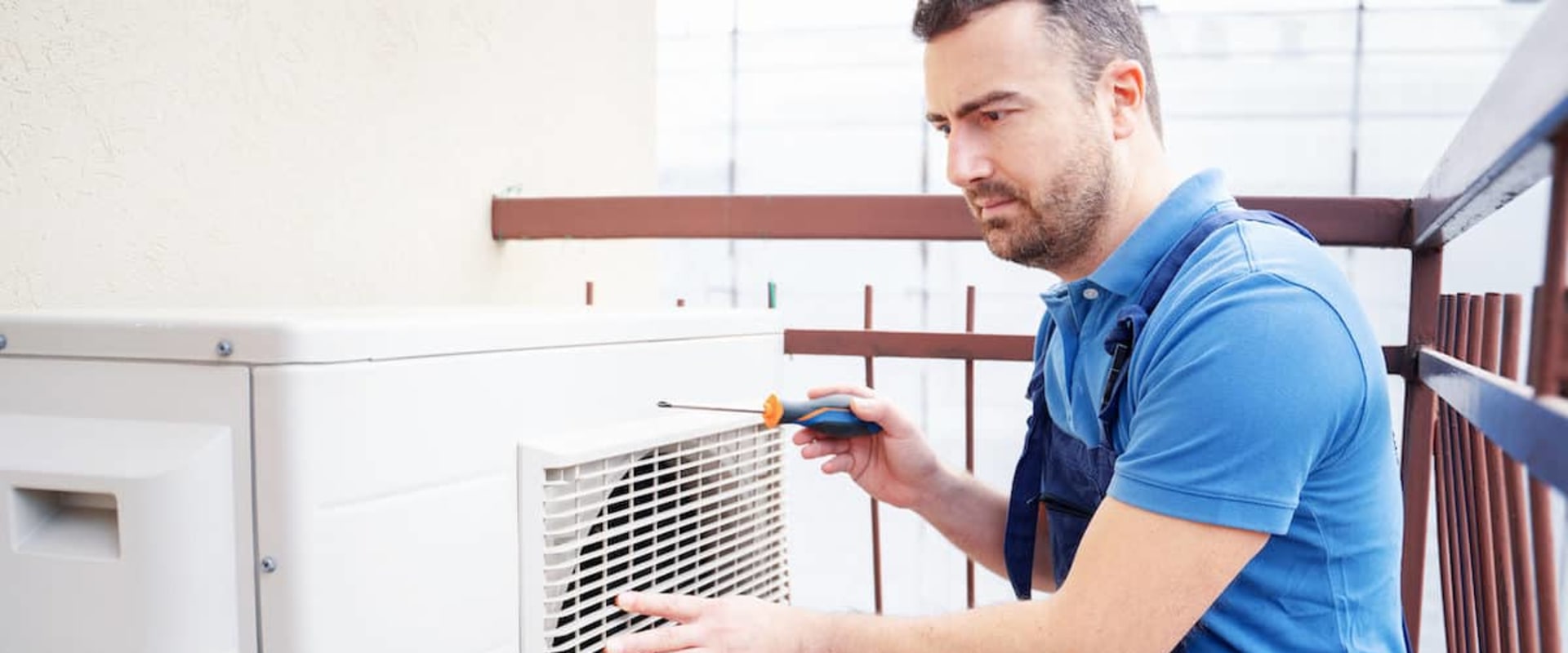
To fully grasp the significance of regular HVAC maintenance, it is essential to first understand what an HVAC system is and how it operates. HVAC stands for Heating, Ventilation, and Air Conditioning, which collectively work to regulate indoor climate and ensure comfort in residential and commercial spaces. These systems are designed to provide heating during cold months, cooling during hot seasons, and proper ventilation to maintain air quality. Understanding the components of an HVAC system can help homeowners appreciate the intricate workings that contribute to their comfort.An HVAC system typically consists of several key components: the furnace or heat pump for heating, the air conditioner for cooling, ductwork for air distribution, and a thermostat for temperature control.
The furnace generates heat, which is then distributed through ducts to warm the living spaces. Conversely, the air conditioner cools the air by removing heat and humidity before circulating it back into the home. The thermostat acts as the brain of the system, allowing users to set their desired temperature and ensuring that the HVAC system operates efficiently to maintain that level.Understanding how these components interact is crucial. For instance, when you set your thermostat to a specific temperature, it signals the HVAC system to either heat or cool your home accordingly.
The efficiency of this process relies heavily on each component functioning optimally. If one part of the system is not maintained properly—such as a dirty filter or a malfunctioning thermostat—it can lead to increased energy consumption and higher utility bills. This is why regular maintenance is not just a recommendation; it is a necessity for ensuring that your HVAC services remain effective and economical.
The Importance of Regular HVAC Maintenance
Regular maintenance of your HVAC system is not just a recommendation; it is a necessity for ensuring optimal performance and longevity. The importance of HVAC maintenance cannot be overstated, as it directly impacts the efficiency of your heating and cooling systems, ultimately affecting your comfort and energy bills.One of the primary benefits of regular HVAC service is enhanced efficiency.When your system is well-maintained, it operates more smoothly, consuming less energy to achieve the desired temperature. This efficiency translates into lower utility bills, which can be a significant saving over time. In fact, studies have shown that regular maintenance can improve system efficiency by up to 30%.Moreover, routine maintenance extends the lifespan of your HVAC system. Just like any other mechanical system, HVAC units experience wear and tear over time.
Regular check-ups allow technicians to identify and address minor issues before they escalate into major problems that could require costly repairs or even complete system replacement. A well-maintained HVAC system can last 15 to 20 years or more, while neglecting maintenance can shorten its lifespan significantly.Neglecting regular maintenance can lead to a host of problems. For instance, dirty filters can restrict airflow, causing the system to work harder and leading to overheating or breakdowns. Additionally, failing to check refrigerant levels can result in inefficient cooling and increased energy consumption.
These issues not only compromise comfort but also pose safety risks, such as electrical hazards or carbon monoxide leaks in gas-powered systems.In summary, the importance of regular HVAC maintenance lies in its ability to enhance efficiency, prolong equipment life, and prevent costly repairs. By investing in routine service, you are not only safeguarding your home’s comfort but also ensuring that your HVAC system operates safely and effectively for years to come.
What to Expect During an HVAC Maintenance Visit
When you schedule an HVAC maintenance visit, you can expect a comprehensive evaluation of your system to ensure it operates efficiently and effectively. Here’s a detailed HVAC maintenance checklist that technicians typically follow during their service visits:- Initial System Assessment: The technician will start by assessing the overall condition of your HVAC system. This includes checking for any visible signs of wear or damage.
- Filter Inspection and Replacement: Air filters play a crucial role in maintaining air quality and system efficiency.
The technician will inspect the filters and replace them if they are dirty or clogged.
- Thermostat Calibration: Ensuring that your thermostat is accurately reading temperatures is vital for comfort. The technician will recalibrate it if necessary to maintain optimal performance.
- Electrical Component Check: All electrical connections, including wires and terminals, will be inspected for signs of corrosion or wear. This step is essential for preventing electrical failures.
- Lubrication of Moving Parts: To minimize friction and wear, the technician will apply lubricant to moving parts such as fans and motors.
- Condensate Drain Inspection: The condensate drain line will be checked for blockages to prevent water damage and ensure proper drainage.
- Refrigerant Level Check: The technician will measure the refrigerant levels in your system. Low levels can indicate leaks, which need to be addressed promptly.
- System Cleaning: Dust and debris can accumulate in various components, affecting efficiency.
The technician will clean the evaporator and condenser coils, as well as other critical parts.
- Safety Controls Testing: Safety controls are vital for preventing hazardous situations. The technician will test these controls to ensure they are functioning correctly.
Key Components Inspected During Maintenance
During an HVAC maintenance visit, a thorough inspection of various components is essential to ensure optimal performance and longevity of your system. Each part plays a critical role in the overall functionality, and neglecting any one of them can lead to inefficiencies or even system failure.Here’s a breakdown of the key components that are typically inspected during HVAC maintenance:
- Air Filters: One of the first components checked is the air filter. Clogged or dirty filters can restrict airflow, causing your system to work harder and consume more energy. Regularly replacing or cleaning filters can improve indoor air quality and enhance system efficiency.
- Blower Motor: The blower motor is responsible for circulating air throughout your home. Technicians will inspect its operation, ensuring it runs smoothly without unusual noises or vibrations.
Proper lubrication may also be applied to reduce friction and wear.
- Coils (Evaporator and Condenser): Both the evaporator and condenser coils are vital for heat exchange in your HVAC system. During maintenance, these coils are cleaned to remove dirt and debris that can hinder their efficiency. Clean coils allow for better heat transfer, which can lower energy costs.
- Refrigerant Levels: The technician will check the refrigerant levels to ensure they are within the manufacturer’s specifications. Low refrigerant levels can indicate leaks, which not only affect cooling efficiency but can also damage the compressor if not addressed promptly.
- Thermostat Calibration: A properly calibrated thermostat ensures that your HVAC system maintains the desired temperature effectively.
Technicians will check its accuracy and make necessary adjustments to ensure it communicates correctly with the system.
- Ductwork: Inspecting ductwork for leaks or blockages is crucial as it affects airflow and energy efficiency. Sealing any leaks found during inspection can significantly improve system performance and reduce energy waste.
- Electrical Connections: All electrical connections, including wiring and terminals, will be inspected for signs of wear or corrosion. Ensuring these connections are secure helps prevent electrical failures that could lead to costly repairs.
Signs Your HVAC System Needs Maintenance
Being proactive about your HVAC system's health is essential for maintaining a comfortable home environment.Recognizing the warning signs that indicate your HVAC system needs maintenance can save you from costly repairs and ensure your system operates efficiently. Here are some common signs to watch for:
- Unusual Noises: If your HVAC system starts making strange sounds such as banging, clanking, or hissing, it could indicate a mechanical issue. These noises often suggest that components are loose or damaged and require immediate attention.
- Inconsistent Temperatures: Are some rooms in your home significantly warmer or cooler than others? This inconsistency may point to issues with ductwork, insulation, or the HVAC unit itself. A professional evaluation can help identify the root cause.
- Increased Energy Bills: A sudden spike in your energy bills without a corresponding increase in usage can signal that your HVAC system is working harder than it should.
This inefficiency often results from neglected maintenance or underlying issues.
- Frequent Cycling: If your HVAC system turns on and off more frequently than usual, it may be struggling to maintain the desired temperature. This could be due to a malfunctioning thermostat, dirty filters, or other mechanical problems.
- Bad Odors: Foul smells emanating from your HVAC system can indicate mold growth, burnt wiring, or other serious issues. If you notice any unpleasant odors, it's crucial to call for professional HVAC services immediately.
- Humidity Issues: An HVAC system should effectively regulate humidity levels in your home. If you find that your home feels excessively humid or dry, it may be time to have your system inspected for proper functionality.
- Visible Dust and Debris: If you notice an increase in dust accumulation around your home or on your HVAC vents, it could mean that your filters are clogged or that there are leaks in the ductwork.
Regular maintenance can help keep these issues at bay.
DIY vs. Professional HVAC Maintenance: What You Need to Know
When it comes to maintaining your HVAC system, homeowners often find themselves at a crossroads: should they tackle the maintenance tasks themselves or hire a professional? Both options have their advantages and disadvantages, and understanding these can help you make an informed decision.Pros and Cons of DIY HVAC Maintenance
Engaging in DIY HVAC maintenance can be a rewarding experience, allowing you to save money and gain a better understanding of your system. Here are some pros and cons to consider:- Pros:
- Cost Savings: Performing basic maintenance tasks yourself can significantly reduce service costs.
- Convenience: You can schedule maintenance at your convenience without waiting for a technician.
- Learning Experience: Gaining hands-on experience with your HVAC system can empower you to troubleshoot minor issues.
- Cons:
- Lack of Expertise: Without proper training, you may overlook critical issues that require professional attention.
- Safety Risks: Working with electrical components or refrigerants can pose safety hazards if not handled correctly.
- Potential Warranty Issues: Some manufacturers may void warranties if maintenance is not performed by certified professionals.
Tasks Homeowners Can Safely Perform
If you decide to go the DIY route, there are several maintenance tasks that are generally safe and manageable for homeowners:- Changing Air Filters: Regularly replacing air filters is one of the simplest yet most effective ways to maintain your HVAC system's efficiency.
- Cleansing Vents and Registers: Dust and debris can accumulate in vents, so keeping them clean helps improve airflow.
- Checking Thermostat Settings: Ensure that your thermostat is set correctly for optimal comfort and energy efficiency.
- Inspecting Drain Lines: Clear any blockages in condensate drain lines to prevent water damage and mold growth.
When to Hire an HVAC Technician
While DIY maintenance can be beneficial, there are specific situations where hiring a professional is essential:- Complex Repairs: If you encounter issues such as refrigerant leaks or electrical problems, it's best to call in an expert.
- Lack of Time or Tools: If you don't have the time or necessary tools for maintenance, hiring a professional ensures the job is done right.
- Scheduled Maintenance Visits: Annual inspections by a qualified technician can catch potential problems before they escalate into costly repairs.
Balancing both approaches will ensure that your HVAC system remains in top condition, providing comfort year-round.
The Role of Same-Day HVAC Services in Home Comfort
In the realm of HVAC services, the significance of same-day HVAC service cannot be overstated. When your heating or cooling system malfunctions, the discomfort can be immediate and overwhelming, especially during extreme weather conditions. This is where the value of prompt response comes into play, ensuring that your home remains a sanctuary regardless of external temperatures.Benefits of Same-Day HVAC Services
- Immediate Comfort: The most apparent benefit of same-day service is the restoration of comfort in your home. Whether it’s a sweltering summer day or a frigid winter night, having a functional HVAC system is crucial for maintaining a livable environment.
- Prevention of Further Damage: Delaying repairs can lead to more significant issues down the line.
For instance, a small refrigerant leak can escalate into a complete system failure if not addressed promptly. Same-day services help mitigate these risks by providing timely interventions.
- Cost-Effectiveness: While emergency services may seem more expensive upfront, they can save you money in the long run. By addressing issues quickly, you reduce the likelihood of extensive repairs or premature system replacements.
- Peace of Mind: Knowing that help is just a call away can alleviate stress during HVAC emergencies. Same-day services provide reassurance that your comfort is prioritized and that professionals are ready to tackle any issue.
The Importance of Quick Response in HVAC Repair
A quick response time is essential in HVAC repair situations.
When an HVAC system fails, it often does so unexpectedly, leaving homeowners scrambling for solutions. The longer you wait for repairs, the more uncomfortable your living situation becomes. Additionally, prolonged exposure to extreme temperatures can have health implications for vulnerable individuals, such as children and the elderly.Moreover, many HVAC issues can compound if not addressed swiftly. For example, a malfunctioning thermostat may lead to overheating or overcooling, which not only affects comfort but also increases energy bills.
By opting for same-day service, you ensure that technicians can diagnose and resolve these problems before they escalate.In conclusion, same-day HVAC services play a pivotal role in maintaining home comfort and preventing further damage to your system. By prioritizing quick responses to HVAC issues, homeowners can enjoy peace of mind knowing their comfort is safeguarded against unexpected breakdowns.
Choosing the Right HVAC Service Provider
When it comes to maintaining your HVAC system, selecting the right service provider is crucial. A reliable HVAC company can make all the difference in ensuring your system operates efficiently and lasts for years. Here are some essential factors to consider when choosing an HVAC service provider:- Certifications and Licenses: Always check if the HVAC company holds the necessary licenses and certifications.
This not only ensures that they meet industry standards but also indicates their commitment to professionalism. Look for certifications from recognized organizations such as the North American Technician Excellence (NATE) or the Environmental Protection Agency (EPA).
- Experience and Expertise: Experience matters in the HVAC industry. Companies with a long history often have a wealth of knowledge and skills to handle various HVAC systems. Ask about their experience with your specific type of system, whether it’s residential or commercial.
- Customer Reviews and Testimonials: One of the best ways to gauge the reliability of an HVAC service provider is through customer feedback.
Check online reviews on platforms like Google, Yelp, or Angie's List. Pay attention to recurring themes in reviews, such as punctuality, professionalism, and quality of work.
- Service Offerings: Different HVAC companies may specialize in various services. Ensure that the provider you choose offers a comprehensive range of services, including installation, maintenance, and emergency repairs. This versatility can save you time and hassle in the long run.
- Warranty and Guarantees: A reputable HVAC company should stand behind its work with warranties on parts and labor.
This not only provides peace of mind but also reflects their confidence in the quality of their services.
- Transparent Pricing: Before committing to any service, request a detailed estimate that outlines all costs involved. A trustworthy HVAC provider will be transparent about their pricing structure without hidden fees.
Cost Considerations for Regular HVAC Maintenance
When considering the cost of regular HVAC service, it’s essential to understand that this investment can lead to significant savings in the long run. While the upfront costs of maintenance may seem daunting, they pale in comparison to the potential expenses associated with major repairs or system replacements that can arise from neglect.On average, homeowners can expect to pay between $100 and $300 for a standard HVAC maintenance visit.This typically includes a thorough inspection, cleaning, and minor adjustments to ensure optimal performance. However, prices can vary based on factors such as:
- Location: Service costs can differ significantly depending on your geographical area and local market conditions.
- System Type: The complexity of your HVAC system—whether it’s a central air conditioning unit, heat pump, or furnace—can influence maintenance costs.
- Service Provider: Different HVAC companies may have varying pricing structures, so it’s wise to shop around and compare quotes.
In fact, studies show that regular maintenance can improve system efficiency by up to 15%, translating into substantial savings on energy costs.Moreover, many HVAC companies offer annual maintenance contracts that provide scheduled visits at a discounted rate. These contracts often include perks such as priority service and discounts on repairs, making them a cost-effective option for homeowners looking to budget for HVAC upkeep.In summary, while there is an initial cost associated with regular HVAC maintenance, the long-term benefits far outweigh these expenses. By investing in routine service, you not only extend the lifespan of your system but also protect yourself from unexpected repair costs and ensure your home remains comfortable year-round.
Conclusion: The Long-Term Benefits of Regular HVAC Maintenance
In conclusion, the significance of regular HVAC maintenance cannot be overstated. As we have explored throughout this guide, proactive care for your heating, ventilation, and air conditioning system is essential for ensuring its longevity and efficiency.By investing in HVAC services on a routine basis, homeowners can reap numerous long-term benefits that extend beyond mere comfort.
Enhanced Energy Efficiency
One of the most immediate advantages of regular maintenance is improved energy efficiency. A well-maintained HVAC system operates more effectively, consuming less energy to achieve the desired temperature. This not only translates to lower utility bills but also reduces your carbon footprint, making it an environmentally friendly choice.
Prolonged Equipment Lifespan
Regular inspections and servicing can significantly extend the lifespan of your HVAC system. By addressing minor issues before they escalate into major problems, you can avoid premature breakdowns and costly replacements.
This proactive approach ensures that your investment in HVAC services pays off over time.
Improved Indoor Air Quality
Another critical aspect of HVAC maintenance is its impact on indoor air quality. Dust, allergens, and pollutants can accumulate in your system, leading to poor air quality that can affect your health and comfort. Routine maintenance helps keep your system clean and functioning optimally, ensuring that the air circulating in your home is fresh and healthy.
Fewer Emergency Repairs
By scheduling regular maintenance visits, you can significantly reduce the likelihood of unexpected breakdowns. This not only saves you money on emergency repairs but also provides peace of mind knowing that your system is in good working order.
Many HVAC companies offer maintenance contracts that include regular check-ups, making it easier to stay on top of your system's needs.
Conclusion
Ultimately, the long-term benefits of regular HVAC maintenance are clear. From enhanced energy efficiency and prolonged equipment lifespan to improved indoor air quality and fewer emergency repairs, taking proactive steps in caring for your HVAC system is a wise investment. Don’t wait for a problem to arise; schedule your HVAC services today and enjoy the comfort and peace of mind that comes with a well-maintained system.