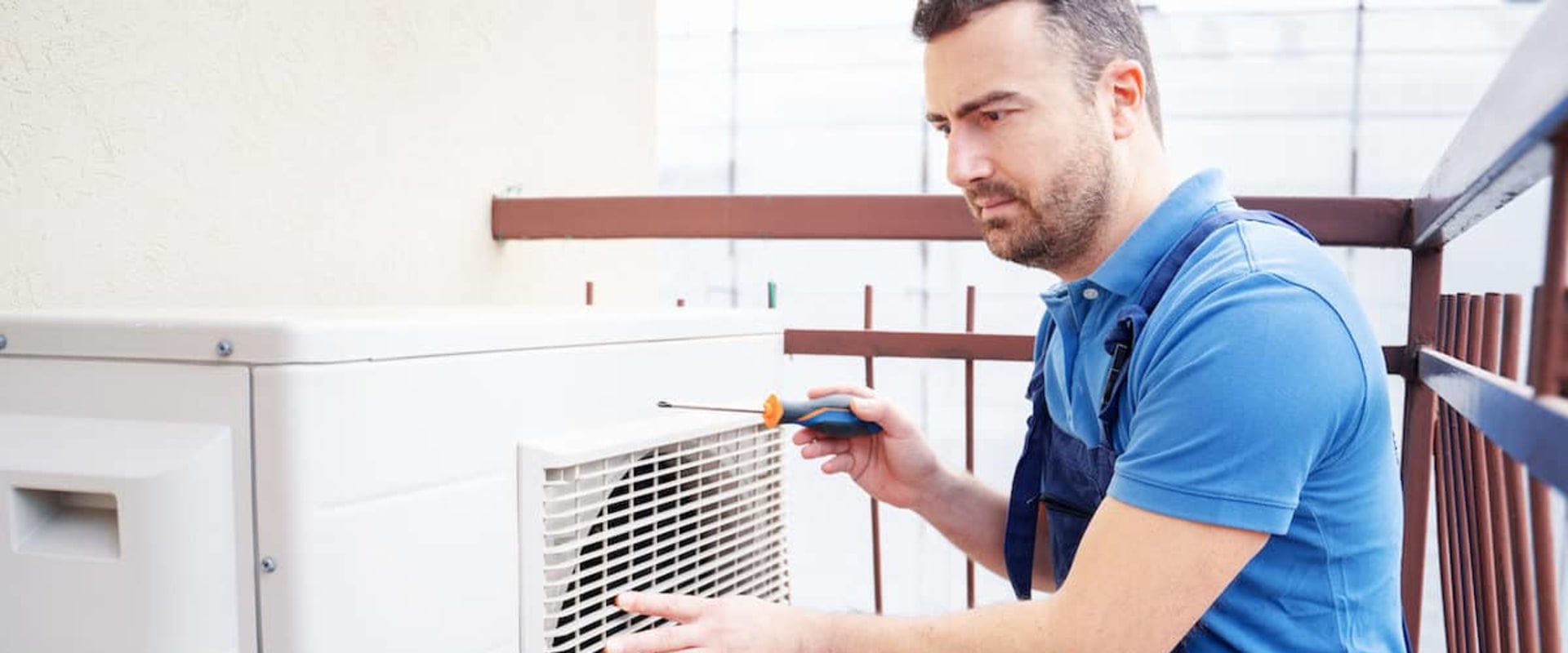
Heating, ventilation, and air conditioning, commonly referred to as HVAC, is a crucial system in modern homes and buildings. It encompasses a variety of technologies designed to regulate indoor climate, ensuring comfort throughout the year. Understanding the components and functions of an HVAC system is essential for homeowners, as it lays the groundwork for recognizing the significance of regular maintenance.An HVAC system typically consists of several key components: the furnace or boiler, air conditioner, heat pump, ductwork, and thermostat. The furnace or boiler is responsible for heating the air or water that circulates through your home.
In contrast, the air conditioner or heat pump cools the air during warmer months. Ductwork serves as the pathway for conditioned air to flow throughout your living spaces, while the thermostat acts as the control center, allowing you to set and maintain your desired temperature.The importance of an efficient HVAC system cannot be overstated. Not only does it provide comfort by maintaining a consistent temperature, but it also plays a vital role in indoor air quality. A well-functioning HVAC system filters out pollutants and allergens, contributing to a healthier living environment.
Moreover, an efficient system can lead to significant energy savings, reducing utility bills and minimizing your carbon footprint.In summary, understanding how HVAC systems operate and their various components is fundamental for homeowners. This knowledge not only enhances your appreciation for these systems but also underscores the necessity of regular maintenance. By keeping your HVAC system in optimal condition, you can ensure comfort, improve air quality, and save on energy costs.
The Importance of Regular HVAC Maintenance
Regular maintenance of your HVAC system is not just a recommendation; it is a necessity for ensuring optimal performance and longevity. The importance of HVAC maintenance cannot be overstated, as it directly impacts the efficiency of your heating and cooling systems, ultimately affecting your comfort and energy bills.One of the primary benefits of regular HVAC service is enhanced efficiency.When your system is well-maintained, it operates more smoothly, consuming less energy to achieve the desired temperature. This efficiency translates into lower utility bills, which can be a significant saving over time. In fact, studies have shown that systems that receive regular maintenance can operate up to 30% more efficiently than those that do not.Moreover, regular maintenance plays a crucial role in extending the lifespan of your HVAC system. Just like any other mechanical system, HVAC units experience wear and tear over time.
By scheduling routine inspections and servicing, you can identify potential issues before they escalate into major problems. This proactive approach not only prolongs the life of your equipment but also helps you avoid the high costs associated with premature replacements.Neglecting HVAC maintenance can lead to a host of problems. For instance, dirty filters can restrict airflow, causing your system to work harder than necessary. This increased strain can lead to breakdowns and costly repairs.
Additionally, without regular checks, small issues such as refrigerant leaks or electrical problems may go unnoticed until they result in significant damage.Another critical aspect of maintaining your HVAC system is ensuring good indoor air quality. Regular service includes cleaning ducts and filters, which helps remove dust, allergens, and other pollutants from the air you breathe. This is especially important for households with children or individuals with respiratory issues.In summary, the importance of regular HVAC maintenance lies in its ability to enhance efficiency, extend equipment lifespan, and improve indoor air quality while saving you money in the long run. By prioritizing routine service for your HVAC system, you are investing in your home’s comfort and safety.
What Happens During an HVAC Maintenance Visit?
Understanding what happens during an HVAC maintenance visit is essential for homeowners who want to ensure their systems operate efficiently and reliably.A typical maintenance visit involves a comprehensive checklist of tasks that HVAC technicians perform to keep your heating, ventilation, and air conditioning systems in top shape.
- Initial Inspection: The technician begins with a visual inspection of the entire system, looking for any obvious signs of wear, damage, or leaks. This initial assessment helps identify potential issues that may need immediate attention.
- Filter Replacement: One of the most critical tasks is checking and replacing the air filters. Clogged filters can significantly reduce airflow and efficiency, leading to higher energy bills and potential system failures.
- Cleaning Components: The technician will clean various components, including the evaporator and condenser coils, to remove dirt and debris that can hinder performance. A clean system operates more efficiently and prolongs its lifespan.
- Checking Refrigerant Levels: Proper refrigerant levels are crucial for your air conditioning system's efficiency.
The technician will check for leaks and ensure that the refrigerant is at the correct level.
- Thermostat Calibration: The technician will verify that your thermostat is functioning correctly and calibrate it if necessary. An accurate thermostat ensures that your home maintains a comfortable temperature without overworking the system.
- Inspecting Ductwork: Ducts are often overlooked but play a vital role in your HVAC system's efficiency. The technician will inspect the ductwork for leaks or blockages that could affect airflow.
- Electrical Connections: All electrical connections will be checked for tightness and signs of wear. Loose or damaged connections can lead to system failures or even safety hazards.
- Safety Checks: Safety is paramount during an HVAC maintenance visit.
The technician will check carbon monoxide detectors, gas lines, and other safety features to ensure they are functioning correctly.
Signs Your HVAC System Needs Maintenance
Recognizing the signs that your HVAC system needs maintenance is crucial for ensuring its longevity and efficiency. Ignoring these warning signs can lead to more significant issues down the line, resulting in costly repairs or even complete system failure. Here are some common indicators that your HVAC system may require professional attention:- Unusual Noises: If you start hearing strange sounds such as banging, clanking, or hissing coming from your HVAC unit, it could indicate a mechanical issue.
These noises often suggest that components are loose or damaged and need immediate inspection.
- Inconsistent Temperatures: Are some rooms in your home significantly warmer or cooler than others? This inconsistency can be a sign of ductwork issues or a malfunctioning thermostat. Scheduling an HVAC service can help identify and resolve these temperature discrepancies.
- Increased Energy Bills: A sudden spike in your energy bills without a corresponding increase in usage may indicate that your HVAC system is working harder than it should. This inefficiency can stem from dirty filters, refrigerant leaks, or other underlying problems.
- Frequent Cycling: If your HVAC system is turning on and off more frequently than usual, it may be struggling to maintain the desired temperature. This short cycling can lead to increased wear and tear on the system, necessitating prompt maintenance.
- Bad Odors: Foul smells emanating from your HVAC system can signal mold growth, burnt wiring, or other serious issues.
If you detect any unpleasant odors, it’s essential to have a professional inspect your system immediately.
- Humidity Issues: An HVAC system should effectively regulate humidity levels in your home. If you notice excessive humidity or dryness, it may indicate that your system is not functioning correctly and requires maintenance.
- Age of the System: If your HVAC system is over 10 years old and has not received regular maintenance, it’s time to schedule a service check. Older systems are more prone to issues and may benefit from preventive care to extend their lifespan.
DIY Maintenance Tips for Homeowners
As a homeowner, taking an active role in the maintenance of your HVAC system can lead to improved efficiency and longevity.While professional inspections are essential, there are several DIY HVAC maintenance tips you can implement to keep your system running smoothly.
1.Regularly Replace or Clean Filters
The air filter in your HVAC system plays a crucial role in maintaining indoor air quality and system efficiency. A clogged filter can restrict airflow, causing your system to work harder and potentially leading to breakdowns. Check your filters monthly and replace or clean them as needed, typically every 1-3 months depending on usage and filter type.2.Keep the Outdoor Unit Clear
Your outdoor condenser unit should be free from debris such as leaves, dirt, and grass clippings. Regularly inspect the area around the unit and clear away any obstructions.Aim for at least two feet of clearance around the unit to ensure proper airflow.
3.Inspect Ductwork for Leaks
Leaky ducts can significantly reduce the efficiency of your HVAC system. Inspect visible ductwork for any signs of wear or damage. If you notice gaps or holes, seal them with duct tape or mastic sealant. This simple step can improve airflow and reduce energy costs.4.Check Thermostat Settings
Ensure that your thermostat is functioning correctly and set to the appropriate temperature for your comfort needs.Consider upgrading to a programmable thermostat, which can help optimize energy use by adjusting temperatures based on your schedule.
5.Clean the Condensate Drain Line
A clogged condensate drain line can lead to water damage and increased humidity levels in your home. To prevent this, locate the drain line and use a wet/dry vacuum to remove any blockages. Flushing the line with a mixture of vinegar and water every few months can also help keep it clear.6.Schedule Seasonal Check-Ups
While DIY maintenance is important, it should not replace professional inspections. Schedule seasonal check-ups with a qualified HVAC technician to ensure that all components are functioning optimally and to catch any potential issues early.By following these DIY HVAC maintenance tips , you can take proactive steps in caring for your system, ultimately enhancing its performance and extending its lifespan.Remember that regular attention to these tasks not only improves comfort but also contributes to energy savings over time.
Choosing the Right HVAC Services Provider
Choosing the right HVAC services provider is crucial for ensuring that your heating and cooling systems operate efficiently and reliably. With numerous options available, it can be overwhelming to determine which company will best meet your needs. Here are some essential factors to consider when selecting an HVAC contractor:- Licensing and Insurance: Always verify that the HVAC company holds the necessary licenses and insurance. A licensed contractor demonstrates compliance with local regulations, while insurance protects you from liability in case of accidents or damages during service.
- Experience and Reputation: Look for a provider with a solid track record in the industry.
Research online reviews, testimonials, and ratings on platforms like Google or Yelp. A company with a long history of satisfied customers is more likely to deliver quality service.
- Service Offerings: Ensure that the HVAC services provider offers a comprehensive range of services, including installation, maintenance, and repair. This versatility indicates that they are well-equipped to handle various issues that may arise with your system.
- Estimates and Pricing: Request detailed estimates from multiple contractors before making a decision. Be wary of unusually low bids, as they may indicate subpar service or hidden costs.
A reputable company will provide transparent pricing and explain the scope of work involved.
- Customer Service: Pay attention to how the company interacts with you during your initial inquiries. A responsive and professional team is indicative of their commitment to customer satisfaction. Ask about their availability for emergency services as well.
- What brands do you recommend for my specific needs?
- Can you provide references from previous clients?
- What warranties do you offer on parts and labor?
- How do you handle maintenance and follow-up services?
The Cost of Neglecting Regular Maintenance
Neglecting regular HVAC maintenance can lead to significant financial repercussions for homeowners.While it may seem like a cost-saving measure to skip routine check-ups, the reality is that the long-term costs associated with poor HVAC care can far exceed the price of regular maintenance.One of the most immediate financial impacts of ignoring HVAC maintenance is the increased likelihood of system breakdowns. According to the U. S. Department of Energy , a well-maintained HVAC system can operate at up to 95% efficiency, while a neglected system may drop to as low as 60%.
This inefficiency not only leads to higher energy bills but also accelerates wear and tear on the system, resulting in costly repairs.For instance, a simple issue like a clogged air filter can cause your HVAC system to work harder than necessary, leading to an increase in energy consumption by as much as 15% to 20%. Over time, this can add hundreds of dollars to your annual energy costs. In contrast, replacing filters regularly is a minimal expense that can save you significantly in the long run.Moreover, when HVAC systems are not maintained, they are more prone to serious failures. A study by the Air Conditioning Contractors of America found that homeowners who neglect maintenance are three times more likely to experience a major breakdown compared to those who schedule regular service.
The average cost of repairing a broken HVAC unit can range from $150 for minor issues to over $1,500 for major repairs or replacements.In addition to repair costs, there are also potential health implications associated with neglected HVAC systems. Poor air quality due to unclean ducts and filters can lead to respiratory issues and other health problems, which may result in increased medical expenses. According to the Environmental Protection Agency , indoor air pollution can be two to five times worse than outdoor pollution, making it essential for homeowners to ensure their HVAC systems are functioning properly.Ultimately, the financial impact of neglecting regular HVAC maintenance extends beyond immediate repair costs. Homeowners may face decreased property values due to an inefficient or malfunctioning system.
Prospective buyers often look for well-maintained HVAC systems as part of their home inspection process; thus, neglecting maintenance could hinder your ability to sell your home at a desirable price.In conclusion, while regular HVAC maintenance may seem like an unnecessary expense, the cost of neglecting it can be substantial. From increased energy bills and repair costs to potential health issues and decreased property value, the financial implications are clear. Investing in routine maintenance not only ensures comfort but also protects your wallet in the long run.
Frequently Asked Questions About HVAC Maintenance
When it comes to HVAC maintenance, many homeowners have questions that can significantly impact the efficiency and longevity of their systems. Here are some of the most frequently asked questions regarding HVAC services and their expert answers.1.How often should I schedule HVAC maintenance?
It is generally recommended to have your HVAC system serviced at least twice a year—once in the spring for your air conditioning unit and once in the fall for your heating system.This regular schedule helps ensure that your system operates efficiently throughout the year.
2.What does an HVAC maintenance service include?
A typical maintenance service includes:- Inspection and cleaning of the air filters
- Checking refrigerant levels and inspecting for leaks
- Cleaning the condenser and evaporator coils
- Inspecting ductwork for blockages or leaks
- Testing thermostat accuracy
- Lubricating moving parts to reduce friction
- Checking electrical connections and components
3.Can I perform HVAC maintenance myself?
While some basic tasks, such as changing air filters, can be done by homeowners, it is crucial to have a professional technician conduct comprehensive inspections and maintenance. Professionals have the training and tools necessary to identify potential issues that may not be visible to the untrained eye.4.What are the signs that my HVAC system needs maintenance?
Look out for these warning signs:- Inconsistent temperatures throughout your home
- Unusual noises coming from the unit
- Increased energy bills without a change in usage
- Foul odors when the system is running
- Frequent cycling on and off
5.How can regular maintenance save me money?
Regular maintenance can help prevent costly repairs by identifying issues early on, ensuring your system runs efficiently, which can lower energy bills, and extending the lifespan of your equipment. Investing in routine care ultimately pays off in reduced operational costs.If you have more questions about your specific HVAC needs, don’t hesitate to reach out to a qualified technician who can provide tailored advice based on your system's requirements.Conclusion: Prioritizing Your HVAC System's Health
In summary, the significance of regular HVAC maintenance cannot be overstated. As we have explored throughout this article, a well-maintained HVAC system not only enhances your home’s comfort but also contributes to energy efficiency and longevity.By prioritizing HVAC services, you are investing in the health of your system, which ultimately translates to savings on energy bills and repair costs.To recap, here are the key points that highlight the importance of routine HVAC maintenance:
- Efficiency: Regular maintenance ensures that your system operates at peak efficiency, reducing energy consumption and lowering utility bills.
- Longevity: Just like any other mechanical system, your HVAC unit benefits from consistent care. Routine check-ups can extend its lifespan significantly.
- Comfort: A well-maintained HVAC system provides consistent heating and cooling, ensuring that your home remains comfortable throughout the year.
- Prevention of Major Repairs: Regular inspections can identify potential issues before they escalate into costly repairs or complete system failures.
- Improved Air Quality: Maintenance includes cleaning and replacing filters, which helps to improve indoor air quality by reducing allergens and pollutants.
Make it a priority now, and enjoy the benefits of a reliable and efficient HVAC system for years to come.