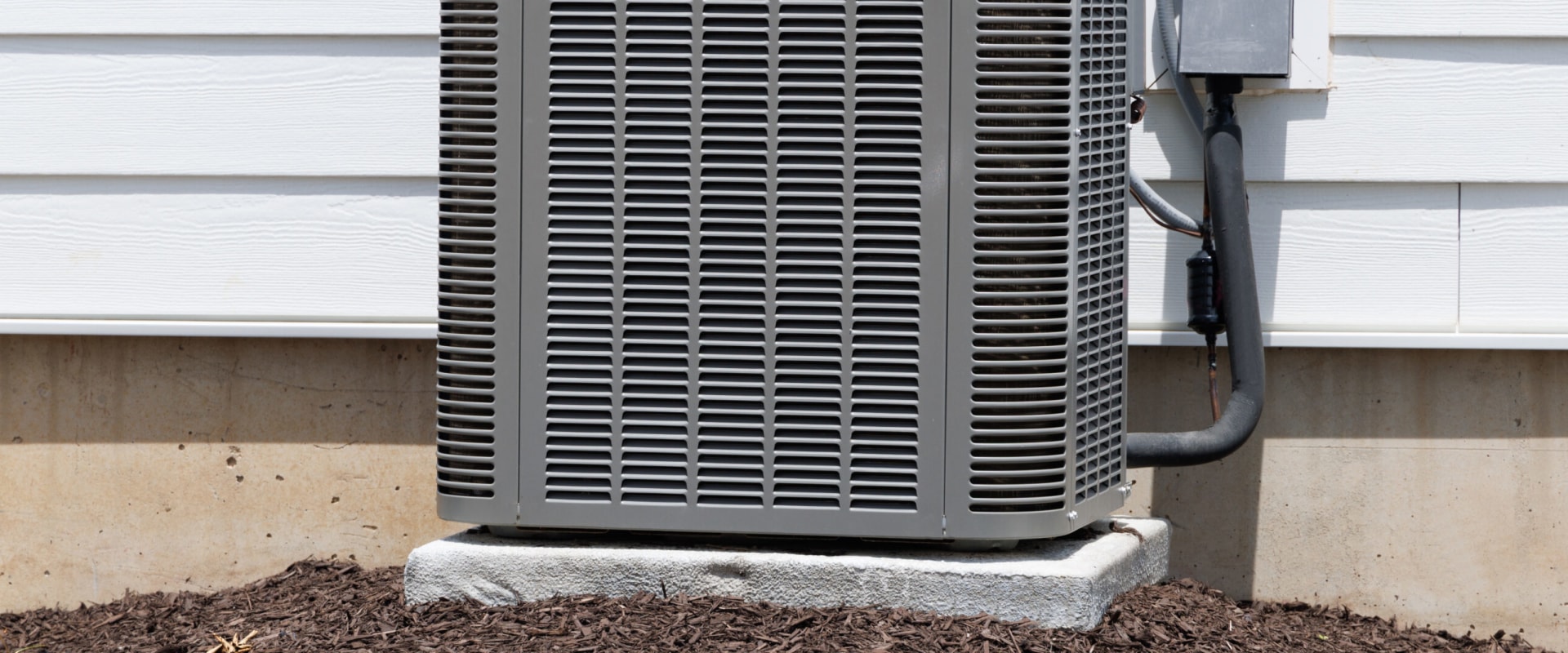
When it comes to maintaining a comfortable indoor environment, HVAC services play a crucial role. These services encompass a wide range of tasks, including installation, maintenance, and repair of heating, ventilation, and air conditioning systems. However, many homeowners find themselves taken aback by the costs associated with these essential services. Understanding the intricacies of HVAC systems and the factors that contribute to their pricing can help demystify why these services often come with a hefty price tag.The complexity of HVAC systems is one of the primary reasons behind their costs.
Unlike simpler home appliances, HVAC systems are intricate networks that require specialized knowledge and skills to install and maintain. Technicians must be well-versed in various components, including compressors, condensers, ductwork, and thermostats. This level of expertise does not come cheap; skilled technicians undergo extensive training and certification processes to ensure they can effectively diagnose and resolve issues. As a result, the labor costs associated with HVAC services can significantly impact the overall price.Moreover, the materials and equipment used in HVAC installations and repairs also contribute to the expense.
High-quality components are essential for ensuring efficiency and longevity in heating and cooling systems. When you opt for HVAC services, you are not just paying for labor; you are also investing in durable materials that will provide reliable performance over time. Additionally, many HVAC companies offer warranties on their work and parts, which adds another layer of value to the service.In conclusion, while the costs associated with HVAC services may seem daunting at first glance, they reflect the complexity of the systems involved and the expertise required to manage them effectively. By understanding these factors, homeowners can make informed decisions about their HVAC needs and appreciate the value that professional services bring to their homes.
Factors Influencing HVAC Service Charges
Understanding the costs associated with HVAC services requires a closer look at the various factors that influence pricing.These factors can range from labor and parts to overhead costs, each playing a significant role in the final bill you receive.
1.Labor Costs
Labor is one of the most substantial components of HVAC service charges. Technicians are skilled professionals who undergo extensive training and certification to ensure they can effectively diagnose and repair complex heating and cooling systems. The cost of labor can vary based on:
- Experience Level: More experienced technicians often command higher wages due to their expertise.
- Geographic Location: Labor rates can differ significantly depending on the region, with urban areas typically having higher costs.
- Time of Service: Emergency calls or after-hours service may incur additional fees.
2.Parts and Equipment
The quality and type of parts used in HVAC repairs also contribute to service charges. Original Equipment Manufacturer (OEM) parts tend to be more expensive than generic alternatives but often provide better reliability and longevity.
Factors affecting parts pricing include:
- Availability: Rare or specialized components may come at a premium.
- Brand Reputation: Well-known brands may charge more for their products due to perceived quality.
- Warranty Considerations: Some parts come with warranties that can affect overall costs.
3.Overhead Costs
The operational expenses of running an HVAC business also play a crucial role in pricing. These overhead costs include:
- Insurance: Liability and workers' compensation insurance are necessary for protecting both the company and its employees.
- Vehicle Maintenance: Service vehicles require regular maintenance, fuel, and insurance, all of which contribute to overall costs.
- Administrative Expenses: Office staff, marketing, and other administrative functions add to the financial burden that companies must cover through service charges.
Understanding Labor Costs in HVAC Services
When it comes to HVAC services, understanding labor costs is crucial for homeowners seeking to make informed decisions. Labor costs can significantly impact the overall price of HVAC repairs and installations, and these costs are influenced by various factors.Determining Technician Rates
The rates charged by HVAC technicians can vary widely based on several elements:
- Experience and Certification: Technicians with more years of experience or specialized certifications often command higher rates.
Their expertise allows them to diagnose and fix issues more efficiently, which can save you money in the long run.
- Geographic Location: The cost of living in your area plays a significant role in determining labor rates. Urban areas typically have higher labor costs compared to rural regions due to increased demand and overhead expenses.
- Company Overhead: HVAC companies incur various operational costs, including insurance, training, tools, and vehicle maintenance. These expenses are factored into the labor rates charged to customers.
Hourly vs. Flat Rate Pricing
One of the most significant decisions you will face when hiring an HVAC company is whether to choose hourly or flat-rate pricing.
Each method has its pros and cons:
- Hourly Pricing: This model charges you based on the time the technician spends on your job. While it may seem fair, it can lead to unexpected costs if the job takes longer than anticipated. For instance, a simple repair could escalate into a lengthy process, resulting in a bill that exceeds your budget.
- Flat Rate Pricing: Many reputable HVAC companies offer flat-rate pricing for their services. This means you will know the total cost upfront before any work begins.
Flat-rate pricing provides transparency and helps you avoid surprise charges, making it easier to budget for your HVAC needs.
The Role of Equipment and Parts in Pricing
When it comes to HVAC services, the quality and type of equipment and parts used play a significant role in determining the overall pricing. Understanding this relationship can help customers make informed decisions and appreciate the costs associated with their HVAC systems.1.The Cost of Quality Equipment
High-quality HVAC equipment often comes with a higher price tag, but it is essential to recognize that this investment can lead to long-term savings. Premium equipment typically offers better energy efficiency, which translates to lower utility bills over time.
Additionally, high-quality systems tend to have longer lifespans, reducing the frequency of replacements and repairs.
2.Parts Pricing: What Influences Costs?
The pricing of HVAC parts can vary widely based on several factors:
- Brand Reputation: Well-known brands often charge more for their parts due to their established reliability and performance.
- Material Quality: Parts made from durable materials may cost more upfront but can save money in the long run by reducing the need for replacements.
- Technological Advancements: Newer technologies, such as smart thermostats or energy-efficient compressors, may come at a premium but offer enhanced functionality and efficiency.
3.The Importance of Compatibility
Using compatible parts is crucial for the optimal performance of HVAC systems. Incompatible or substandard parts can lead to inefficiencies, increased wear and tear, and ultimately higher repair costs. Therefore, reputable HVAC companies prioritize using parts that are specifically designed for your system, even if they come at a higher price.
4.Warranty Considerations
Many high-quality HVAC parts come with warranties that can provide peace of mind for homeowners. A warranty not only protects your investment but also indicates that the manufacturer has confidence in the durability and performance of their product.
When evaluating costs, consider the potential savings from warranty coverage on parts and labor.In conclusion, while it may be tempting to opt for cheaper options when it comes to HVAC services, understanding the role of equipment and parts in pricing is essential. Investing in quality components can lead to better performance, increased efficiency, and ultimately lower costs over time. Always consult with your HVAC provider about the options available and how they impact both immediate expenses and long-term savings.
Overhead Costs: What You Need to Know
When considering the costs associated with HVAC services, it’s essential to understand the various overhead expenses that HVAC companies face. These costs significantly influence the pricing of their services and can often explain why charges may seem high to customers.Insurance Costs
One of the most significant overhead expenses for HVAC companies is insurance.
This includes liability insurance, which protects the company against claims resulting from accidents or damages that occur during service. Additionally, workers' compensation insurance is necessary to cover employees in case of work-related injuries. These insurance policies can be costly, but they are crucial for ensuring that both the company and its customers are protected.
Licensing and Certifications
HVAC technicians must be licensed and certified to perform their jobs legally and safely. Obtaining these licenses often requires extensive training, testing, and ongoing education to stay current with industry standards and regulations.
The costs associated with obtaining and maintaining these licenses can add up, contributing to the overall pricing of HVAC services.
Operational Expenses
Beyond insurance and licensing, HVAC companies incur various operational expenses that impact service pricing:
- Equipment Costs: HVAC technicians rely on specialized tools and equipment to perform their jobs effectively. Regular maintenance and replacement of this equipment are necessary, which adds to operational costs.
- Vehicle Expenses: Service vehicles are essential for transporting technicians and equipment to job sites. Fuel, maintenance, and insurance for these vehicles contribute significantly to overhead costs.
- Office Expenses: Running an HVAC business involves administrative costs such as rent, utilities, office supplies, and employee salaries. These expenses must be factored into service pricing.
Marketing and Customer Acquisition
To attract new customers, HVAC companies invest in marketing strategies such as online advertising, local promotions, and community outreach.
These marketing efforts are vital for business growth but also represent a significant expense that is ultimately passed on to consumers through service pricing.Understanding these overhead costs helps customers appreciate the rationale behind the pricing of HVAC services. While it may seem like charges are high at first glance, they reflect the necessary investments that companies make to provide safe, reliable, and quality service. By recognizing these factors, customers can make more informed decisions when selecting an HVAC provider.
Emergency Services: Are They Worth the Cost?
When faced with a sudden HVAC breakdown, many homeowners find themselves in a precarious situation, especially during extreme weather conditions. The urgency of the matter often leads to questions about the cost of emergency HVAC services and whether these charges are justified.Understanding the factors that contribute to emergency repair pricing can help alleviate concerns and provide clarity.
Understanding Emergency HVAC Service Costs
Emergency HVAC services typically come with a premium price tag compared to standard service calls. This is primarily due to the immediate response required and the availability of technicians outside regular business hours. Here are some key factors that influence the cost:
- Time Sensitivity: Emergency situations demand quick action. Technicians may need to prioritize urgent calls over scheduled appointments, which can lead to higher costs.
- Labor Rates: Many HVAC companies charge higher hourly rates for emergency services, reflecting the urgency and inconvenience of after-hours work.
- Parts Availability: In emergencies, technicians may need to source parts quickly, sometimes at a premium price, which can be passed on to the customer.
- Overhead Costs: Operating outside normal hours incurs additional costs for the company, including overtime pay for employees and increased operational expenses.
Are Emergency Charges Justified?
The justification for higher charges during emergencies often lies in the nature of the service provided.
When your heating or cooling system fails unexpectedly, it can lead to discomfort or even health risks, particularly for vulnerable individuals such as children or the elderly. Therefore, having access to prompt and reliable service is crucial.Moreover, reputable HVAC companies understand the importance of transparency in pricing. They should provide clear estimates before commencing work, allowing customers to make informed decisions. If you find yourself in need of emergency services, don’t hesitate to ask for a breakdown of costs involved.
This not only helps you understand what you’re paying for but also ensures that you are not being overcharged.
Tips for Managing Emergency HVAC Needs
- Research Ahead: Familiarize yourself with local HVAC companies and their emergency service policies before an issue arises.
- Ask Questions: Inquire about their pricing structure for emergency calls and what factors might affect your final bill.
- Consider Maintenance Plans: Some companies offer maintenance agreements that include priority service during emergencies at reduced rates.
How to Choose an Honest HVAC Company
Choosing a reliable HVAC company can be a daunting task, especially with the myriad of options available. To ensure you select a trustworthy provider that offers fair pricing and quality service, consider the following tips:- Research and Reviews: Start by conducting thorough research. Look for HVAC companies in your area and read customer reviews on platforms like Google, Yelp, or Angie's List.
Pay attention to both positive and negative feedback to get a balanced view of their services.
- Check Credentials: Ensure that the HVAC company is licensed and insured. A reputable company will have the necessary certifications to operate legally in your state. This not only protects you as a consumer but also indicates that the company adheres to industry standards.
- Ask for Recommendations: Word-of-mouth referrals can be invaluable. Ask friends, family, or neighbors about their experiences with local HVAC services.
Personal recommendations often lead to finding trustworthy companies.
- Get Multiple Quotes: Don’t settle for the first estimate you receive. Contact several HVAC companies to obtain quotes for the same service. This will give you a better understanding of the market rates and help you identify any outliers that may be overcharging.
- Inquire About Pricing Structure: When discussing costs, ask whether they charge a flat rate or hourly fees. A flat rate can provide peace of mind, as it prevents unexpected charges from arising during the service.
- Evaluate Customer Service: Pay attention to how the company interacts with you during your initial inquiries.
A reputable HVAC service will be responsive, courteous, and willing to answer all your questions without hesitation.
- Look for Transparency: An honest HVAC company will provide clear explanations about the services they offer and the associated costs. They should be willing to break down the charges and explain why certain repairs or installations are necessary.
- Avoid High-Pressure Sales Tactics: Be wary of companies that push you into making quick decisions or upsell unnecessary services. A trustworthy provider will prioritize your needs and offer solutions that are genuinely beneficial.
Common Myths About HVAC Pricing Debunked
When it comes to HVAC services, many homeowners are often misled by common myths surrounding pricing.These misconceptions can lead to confusion and frustration, making it essential to clarify the truth behind HVAC charges.
Myth 1: All HVAC Companies Charge the Same Rates
One prevalent myth is that all HVAC companies have similar pricing structures. In reality, pricing can vary significantly based on several factors, including:
- Location
- Company reputation
- Experience of technicians
- Type of service required
Myth 2: Higher Prices Always Mean Better Quality
Another common misconception is that a higher price guarantees superior service. While it’s true that some premium services come with a higher price tag, this isn’t universally applicable.
Some companies may inflate their prices without providing additional value. It’s important to evaluate the services offered and read customer reviews to gauge quality rather than relying solely on price.
Myth 3: DIY Repairs Are Always Cheaper
Many homeowners believe that attempting DIY repairs will save them money. However, this can often lead to more significant issues down the line, resulting in costly repairs. HVAC systems are complex, and without proper knowledge, you may inadvertently cause further damage.
Hiring a professional ensures that the job is done correctly the first time, potentially saving you money in the long run.
Myth 4: Emergency Services Are Always Overpriced
While it’s true that emergency HVAC services can be more expensive than regular services, not all companies take advantage of urgent situations. Many reputable companies offer fair pricing for emergency calls, understanding that customers are often in distress. It’s advisable to inquire about emergency service rates upfront when selecting an HVAC provider.
Myth 5: Maintenance Is an Unnecessary Expense
Some homeowners view routine maintenance as an unnecessary cost. However, regular maintenance can prevent costly breakdowns and extend the lifespan of your HVAC system.
Investing in preventive care can save you money over time by avoiding major repairs and ensuring your system operates efficiently.By debunking these myths about HVAC pricing, homeowners can make informed decisions when seeking services. Understanding the realities behind HVAC charges not only helps in budgeting but also fosters trust between customers and service providers.
Conclusion: Making Sense of Your HVAC Service Charges
Understanding the costs associated with HVAC services is crucial for homeowners and business owners alike. As we have explored throughout this article, the seemingly high charges from HVAC companies can often be attributed to a variety of factors that are not immediately apparent to the average consumer.First and foremost, it is essential to recognize that the pricing structure of HVAC services can vary significantly between companies. Some may opt for hourly rates, while others provide flat-rate pricing.This distinction is vital because it directly impacts how much you will ultimately pay for a service. Opting for a company that offers flat-rate pricing can help you avoid unexpected costs and ensure transparency in what you are paying for.Moreover, the complexity of the HVAC repair or installation process plays a significant role in determining costs. Many customers may not fully grasp the intricacies involved in heating and cooling systems, which can lead to confusion regarding fair pricing. Therefore, it is advisable to educate yourself about common HVAC issues and their typical repair costs.
This knowledge empowers you to make informed decisions and ask pertinent questions when discussing services with potential contractors.Additionally, the operational expenses that HVAC companies incur—such as labor, equipment, and overhead—also contribute to service charges. These costs are necessary for maintaining quality service and ensuring that technicians are well-trained and equipped to handle various HVAC challenges.In conclusion, while it may be tempting to view high charges as a sign of overpricing or exploitation, understanding the underlying factors can provide clarity. By doing your research, asking questions, and choosing reputable companies with transparent pricing practices, you can navigate the world of HVAC services more effectively. Ultimately, being an informed consumer will not only help you manage your budget but also ensure that you receive quality service when you need it most.