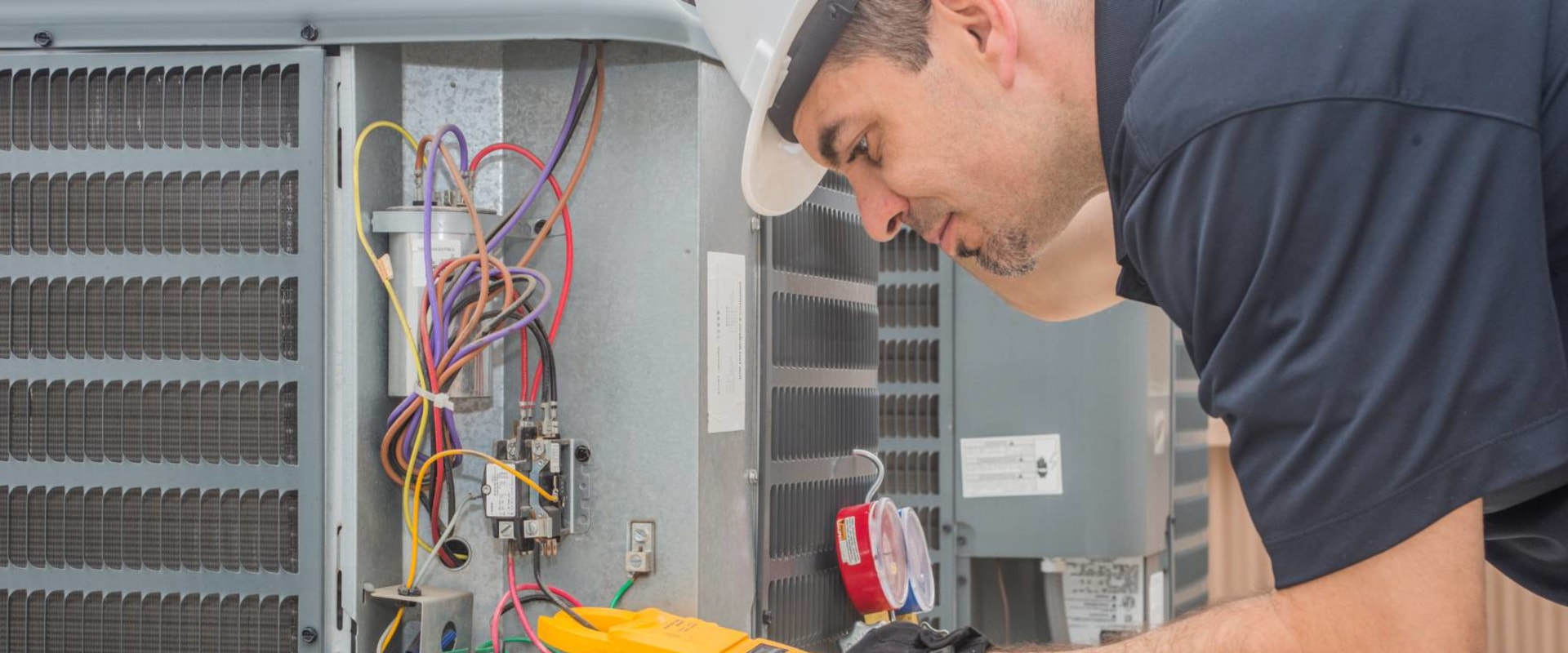
Heating, ventilation, and air conditioning (HVAC) systems play a vital role in maintaining indoor comfort across various environments, from residential homes to commercial buildings. Understanding what an HVAC system is and how it functions is essential for homeowners and business operators alike. At its core, an HVAC system is designed to regulate temperature, humidity, and air quality, ensuring a comfortable atmosphere regardless of external weather conditions. An HVAC system comprises several key components that work together seamlessly. These include the furnace or heat pump for heating, the air conditioner for cooling, ductwork for air distribution, and ventilation systems that bring in fresh air while expelling stale air.
Each component has a specific function: the furnace heats the air during colder months, while the air conditioner cools it during warmer periods. The ductwork serves as the pathway for conditioned air to flow throughout the space, and proper ventilation is crucial for maintaining good indoor air quality by reducing pollutants and allergens. The importance of HVAC systems cannot be overstated. They not only enhance comfort but also contribute to energy efficiency and overall health. A well-functioning HVAC system can significantly reduce energy consumption, leading to lower utility bills.
Moreover, by ensuring optimal humidity levels and filtering out harmful particles, these systems help create a healthier living or working environment. Understanding these fundamentals lays the groundwork for recognizing why regular maintenance of your HVAC system is essential for its longevity and efficiency.
Why Regular Maintenance is Crucial for Your HVAC System
Regular maintenance of your HVAC system is not just a recommendation; it is a necessity that can significantly impact your home’s comfort, energy efficiency, and overall system longevity. Understanding the importance of HVAC maintenance can help homeowners make informed decisions about their heating and cooling systems.Energy Efficiency
One of the primary benefits of regular HVAC services is enhanced energy efficiency. Over time, dust and debris can accumulate in your system, leading to reduced airflow and increased energy consumption.
A well-maintained HVAC system operates more efficiently, which translates to lower energy bills. According to the U. S. Department of Energy, regular maintenance can improve your system's efficiency by up to 15%.
Cost Savings
Investing in routine HVAC maintenance can lead to significant cost savings in the long run.
While there may be an upfront cost associated with regular service visits, these expenses are often outweighed by the savings on energy bills and the prevention of costly repairs. For instance, a small issue like a dirty filter can lead to more severe problems if left unaddressed, potentially resulting in expensive repairs or even complete system failure.
System Longevity
Just like any other mechanical system, your HVAC unit requires care to function optimally over time. Regular maintenance helps identify potential issues before they escalate into major problems. By scheduling routine check-ups with a qualified HVAC service provider, you can extend the lifespan of your system significantly.
Many manufacturers even require proof of regular maintenance to uphold warranties, making it essential for protecting your investment.
Improved Air Quality
Another critical aspect of HVAC maintenance is its impact on indoor air quality. A neglected system can circulate dust, allergens, and other pollutants throughout your home. Regularly changing filters and cleaning ducts as part of your maintenance routine can help ensure that the air you breathe is clean and healthy.
Peace of Mind
Finally, knowing that your HVAC system is well-maintained provides peace of mind. You can rest easy knowing that your home will remain comfortable regardless of external weather conditions.
Regular service visits allow technicians to catch minor issues before they become major headaches, ensuring that you won’t be left without heating or cooling when you need it most.In summary, the importance of regular HVAC maintenance cannot be overstated. From enhancing energy efficiency and saving costs to improving air quality and extending system life, investing in HVAC services is a wise decision for any homeowner looking to maintain a comfortable living environment.
Key Benefits of Regular HVAC Maintenance
Regular maintenance of your HVAC system offers a multitude of benefits that extend beyond mere functionality. Understanding these advantages can help homeowners and business owners appreciate the value of investing in HVAC services for their systems.Improved Energy Efficiency
One of the most significant benefits of regular HVAC maintenance is enhanced energy efficiency. By scheduling routine maintenance, technicians can clean components, replace filters, and ensure that your system operates at peak efficiency.This not only lowers your energy bills but also reduces your carbon footprint, making it an environmentally friendly choice.
Cost Savings on Repairs
Another compelling reason to prioritize HVAC maintenance is the potential for substantial cost savings on repairs. Regular inspections allow technicians to identify and address minor issues before they escalate into major problems. For instance, a small refrigerant leak can lead to compressor failure if left unchecked, resulting in costly repairs or even a complete system replacement. By investing in preventive maintenance, you can avoid these unexpected expenses and extend the lifespan of your HVAC system.Enhanced Indoor Air Quality
The quality of the air inside your home or business is crucial for health and comfort.Regular HVAC maintenance plays a vital role in improving indoor air quality by ensuring that filters are clean and functioning properly. Dirty filters can circulate allergens, dust, and other pollutants throughout your space, potentially aggravating respiratory issues or allergies. By maintaining your HVAC system, you help create a healthier environment for everyone.
Increased Comfort Levels
A well-maintained HVAC system provides consistent heating and cooling, which translates to increased comfort levels in your living or working space. When systems are neglected, they may struggle to maintain desired temperatures, leading to hot or cold spots within the building.Regular maintenance ensures that your system operates smoothly, providing reliable comfort regardless of the season.In summary, the benefits of regular HVAC maintenance are clear: improved energy efficiency, significant cost savings on repairs, enhanced indoor air quality, and increased comfort levels. By prioritizing these services, you not only protect your investment but also contribute to a healthier and more comfortable environment for yourself and those around you.
Common HVAC Issues Prevented by Regular Maintenance
Regular maintenance of your HVAC system is not just a good practice; it is essential for preventing a range of common issues that can lead to costly repairs and discomfort. By investing in HVAC services that focus on preventive care, homeowners can significantly reduce the likelihood of encountering serious problems.One of the most frequent issues that arise from neglecting maintenance is poor airflow. Dust and debris can accumulate in filters and ducts, restricting airflow and causing your system to work harder than necessary.This not only leads to increased energy bills but can also result in overheating components, which may require expensive repairs or replacements.Another common problem is refrigerant leaks. Without regular checks, small leaks can go unnoticed, leading to a drop in cooling efficiency. This not only affects comfort levels but can also cause the compressor to fail, resulting in a costly replacement. Regular maintenance ensures that refrigerant levels are checked and maintained, preventing these leaks from becoming a significant issue.
Thermostat malfunctions
are also prevalent in systems that lack routine care.
A malfunctioning thermostat can lead to inconsistent temperatures throughout your home, causing discomfort and unnecessary energy consumption. During maintenance visits, HVAC technicians can calibrate or replace thermostats as needed, ensuring accurate temperature control.Additionally, drainage problems are often overlooked. Clogged drain lines can lead to water damage and mold growth within your home. Regular maintenance includes clearing these lines to ensure proper drainage, thus protecting your property from potential water-related issues.Finally, neglecting regular maintenance can lead to system breakdowns.
Components such as motors, belts, and bearings wear out over time. Without routine inspections, these parts may fail unexpectedly, leaving you without heating or cooling when you need it most. Preventive maintenance allows technicians to identify wear and tear early on, replacing parts before they fail.In summary, regular HVAC maintenance is crucial for preventing common issues such as poor airflow, refrigerant leaks, thermostat malfunctions, drainage problems, and unexpected breakdowns. By prioritizing these services, homeowners can enjoy a more efficient system and peace of mind knowing their HVAC unit is operating at its best.
Essential Maintenance Tasks for Your HVAC System
Maintaining your HVAC system is crucial for ensuring its efficiency and longevity.Regular upkeep not only enhances performance but also helps in avoiding costly repairs down the line. Below is a comprehensive HVAC maintenance checklist that includes essential tasks homeowners can perform themselves, as well as those that should be handled by professional HVAC services.
DIY HVAC Maintenance Tasks
- Change or Clean Air Filters: One of the simplest yet most effective tasks is to regularly change or clean your air filters. Depending on usage, this should be done every 1-3 months. Clean filters improve airflow and indoor air quality.
- Inspect and Clean Vents: Ensure that all vents are free from obstructions such as furniture or dust.
Vacuuming the vents can help maintain optimal airflow.
- Check Thermostat Settings: Make sure your thermostat is functioning correctly and set to the desired temperature. Consider upgrading to a programmable thermostat for better energy efficiency.
- Clear Debris from Outdoor Units: Regularly inspect the outdoor unit for leaves, dirt, and other debris. Keeping it clean allows for better airflow and efficiency.
- Inspect Ductwork: Look for any visible signs of wear or damage in your ductwork. Sealing leaks can significantly improve system efficiency.
Professional HVAC Maintenance Services
While many tasks can be performed by homeowners, certain maintenance activities require professional expertise:- Annual System Check-Up: Schedule a comprehensive inspection with an HVAC technician at least once a year.
This includes checking refrigerant levels, inspecting electrical components, and testing system performance.
- Cleansing Coils: The evaporator and condenser coils should be cleaned by professionals to ensure they operate efficiently. Dirty coils can lead to increased energy consumption.
- Inspecting Heat Exchanger: A qualified technician should check the heat exchanger for cracks or corrosion, which can pose safety risks.
- Calibrating Thermostat: Professionals can ensure that your thermostat is accurately calibrated, which is essential for maintaining comfort levels in your home.
How Often Should You Schedule HVAC Maintenance?
Determining how often to schedule HVAC maintenance is crucial for ensuring the efficiency and longevity of your heating and cooling systems. The frequency of maintenance can vary based on several factors, including the type of system you have, how often it is used, and the climate conditions in your area.General Recommendations
- Annual Maintenance: For most residential HVAC systems, it is recommended to schedule maintenance at least once a year.
This typically includes a thorough inspection and servicing of both heating and cooling components.
- Biannual Checks: If you live in a region with extreme temperatures, consider scheduling maintenance twice a year—once before the heating season and once before the cooling season. This ensures that your system is prepared for the demands of both winter and summer.
Factors Influencing Maintenance Frequency
- System Type: Different systems may require different maintenance schedules. For example, heat pumps often need more frequent checks compared to traditional furnaces or air conditioners due to their year-round usage.
- Usage Patterns: If your HVAC system is used heavily—such as in larger households or homes with multiple occupants—you may need to increase the frequency of maintenance. Regular use can lead to wear and tear that necessitates more frequent inspections.
- Local Climate: Homes in areas with high humidity or extreme temperatures may require more frequent maintenance.
Humidity can lead to mold growth and other issues, while extreme temperatures can put additional strain on your system.
Seasonal HVAC Checks
In addition to annual or biannual maintenance, consider performing seasonal checks yourself. Before the start of each season, take a moment to inspect your system:
- Check and replace filters as needed.
- Clear any debris from outdoor units.
- Ensure that vents are unobstructed for optimal airflow.
Choosing the Right HVAC Service Provider
Choosing the right HVAC service provider is crucial for ensuring that your heating and cooling systems operate efficiently and reliably. With so many options available, it can be overwhelming to find a contractor that meets your needs. Here are some essential tips to help you make an informed decision.1.Research Local Options
- Start by searching for best HVAC services near me.
This will give you a list of local contractors who can provide the services you need.
- Check online reviews and ratings on platforms like Google, Yelp, or Angie's List to gauge customer satisfaction.
- Ask friends, family, or neighbors for recommendations based on their experiences.
2.Verify Credentials
- Ensure that the HVAC contractor is licensed and insured. This protects you from liability in case of accidents during service.
- Look for certifications from recognized organizations such as NATE (North American Technician Excellence) or ACCA (Air Conditioning Contractors of America), which indicate a commitment to quality and professionalism.
3.Evaluate Experience
- Inquire about the contractor's experience in the industry. A company with several years of experience is likely to have encountered a variety of issues and can provide effective solutions.
- Ask if they specialize in residential or commercial HVAC systems, depending on your needs.
4.Ask the Right Questions
When interviewing potential contractors, consider asking the following questions:
- What services do you offer? Ensure they provide comprehensive maintenance, repair, and installation services.
- Can you provide references from previous clients? Speaking with past customers can give you insight into their reliability and quality of work.
- What is your response time for emergency repairs? Knowing how quickly they can address urgent issues is vital for your peace of mind.
- Do you offer written estimates? A reputable contractor should provide a detailed estimate before starting any work.
- What warranties do you offer on parts and labor? Understanding warranty terms can save you money in the long run.
5.Compare Quotes
Once you've gathered estimates from multiple contractors, compare them not just on price but also on the scope of services offered. The cheapest option may not always be the best choice if it compromises quality or service.By following these guidelines, you can confidently select an HVAC service provider that meets your needs and ensures your system operates at peak performance.
FAQs About HVAC Maintenance
Maintaining your HVAC system is essential for its longevity and efficiency, but many homeowners have questions about the best practices for care and troubleshooting.Here are some frequently asked questions regarding HVAC maintenance that can help clarify common concerns.
What are the signs that my HVAC system needs maintenance?
There are several indicators that your HVAC system may require attention:- Unusual noises: If you hear banging, clanking, or hissing sounds, it could indicate a mechanical issue.
- Inconsistent temperatures: If some rooms are too hot or too cold, your system may not be functioning properly.
- Increased energy bills: A sudden spike in your energy costs can suggest that your HVAC system is working harder than it should.
- Frequent cycling: If your system turns on and off more often than usual, it may be struggling to maintain the desired temperature.
How often should I schedule professional HVAC maintenance?
It is generally recommended to have your HVAC system professionally serviced at least once a year. For optimal performance, consider scheduling maintenance twice a year—once before the heating season and once before the cooling season. This proactive approach helps identify potential issues early and ensures that your system operates efficiently.Can I perform maintenance tasks myself?
While some basic maintenance tasks can be done by homeowners, such as replacing air filters and cleaning vents, it’s crucial to leave more complex tasks to professionals. Attempting to service components like refrigerant levels or electrical connections without proper training can lead to safety hazards or further damage.What should I do if my HVAC system breaks down?
If your system stops working, first check the thermostat settings and ensure that power is supplied to the unit.If everything appears normal but the system still doesn’t operate, contact a qualified HVAC service technician for diagnosis and repair. Avoid trying to fix complex issues on your own, as this can void warranties or cause additional problems.By understanding these common questions about HVAC maintenance, you can take proactive steps to ensure your system remains efficient and reliable throughout its lifespan.
Conclusion: The Long-Term Value of Regular HVAC Maintenance
In summary, the significance of regular maintenance for your HVAC system cannot be overstated. As we have explored throughout this article, consistent upkeep not only enhances the efficiency of your system but also extends its lifespan, ultimately saving you money in the long run.By adhering to a structured maintenance schedule, you can:- Prevent Costly Repairs: Regular inspections and servicing can identify potential issues before they escalate into major problems, which can be expensive to fix.
- Improve Energy Efficiency: A well-maintained HVAC system operates more efficiently, leading to lower energy bills. This is particularly important as energy costs continue to rise.
- Enhance Indoor Air Quality: Routine maintenance ensures that filters are clean and systems are functioning properly, which helps to maintain a healthy indoor environment.
- Ensure Comfort: Regular checks and servicing help to ensure that your heating and cooling systems are reliable, providing consistent comfort throughout the year.
Technicians can spot issues that may not be visible to the untrained eye and provide solutions tailored to your specific system needs.As we look towards the future, investing in regular HVAC maintenance is not just a good practice; it is essential for anyone who values comfort, efficiency, and cost-effectiveness in their home or business. By prioritizing this aspect of HVAC ownership, you are making a commitment to sustainability and long-term savings.In conclusion, don’t wait for a breakdown to remind you of the importance of your HVAC system. Schedule regular maintenance today and enjoy peace of mind knowing that your system is operating at its best.