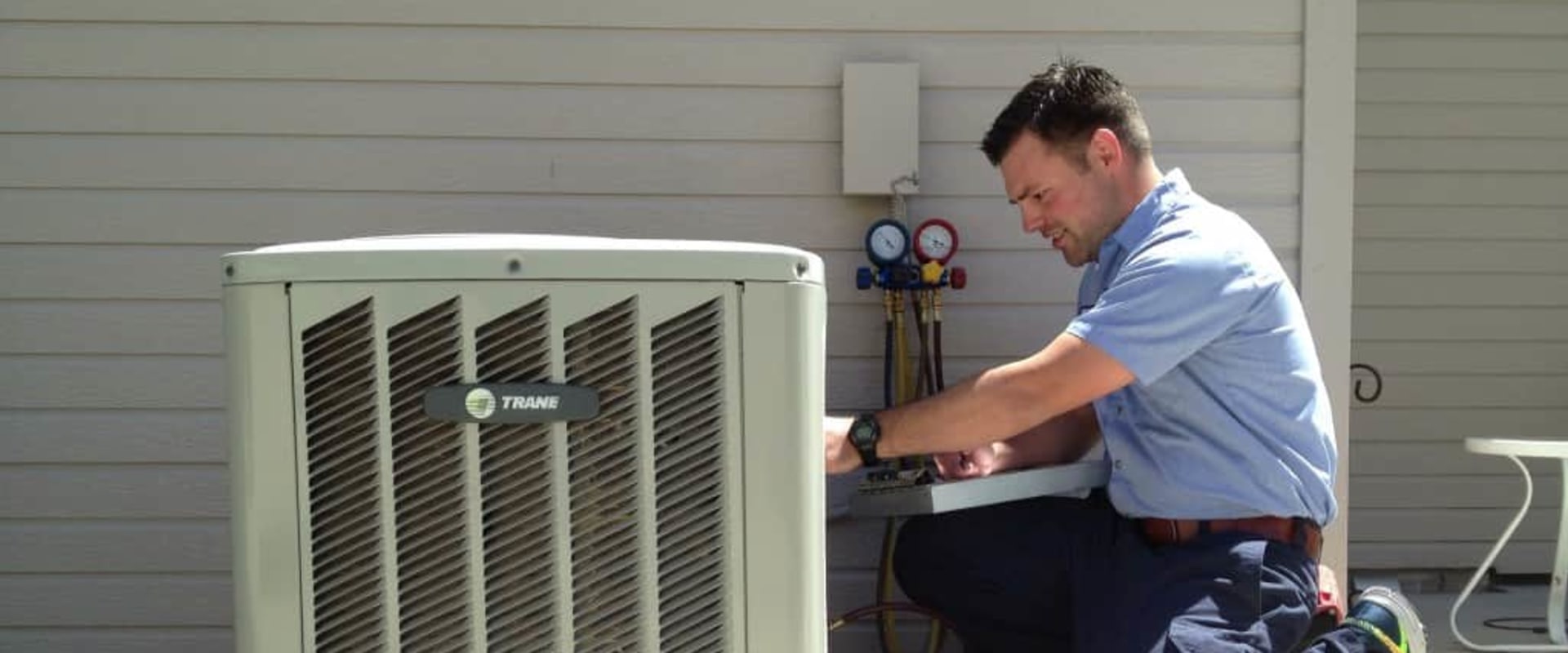
Understanding your HVAC system is essential for any homeowner, as it plays a critical role in maintaining a comfortable living environment. HVAC, which stands for heating, ventilation, and air conditioning, encompasses a variety of components that work together to regulate indoor temperatures and air quality. These systems are designed to provide heating during the colder months and cooling when temperatures rise, ensuring that your home remains a sanctuary regardless of the weather outside. Typically, the lifespan of an HVAC system ranges from 10 to 15 years, depending on various factors such as usage, maintenance, and the quality of the installation. Regular maintenance can significantly extend the life of your system, while neglect can lead to premature failures.
Homeowners should be aware of the signs that indicate their HVAC system may be nearing the end of its life. Common indicators include inconsistent temperatures throughout the home, unusual noises during operation, and an increase in energy bills due to inefficiency. Recognizing when to replace your HVAC system is crucial for avoiding unexpected breakdowns and costly repairs. If your system is approaching or has exceeded its expected lifespan, it may be time to consult with HVAC services professionals who can assess its condition and recommend appropriate actions. Understanding these fundamentals not only empowers homeowners to make informed decisions but also helps them appreciate the importance of timely replacements in maintaining a comfortable and energy-efficient home.
Signs That Indicate It's Time for a Replacement
As a homeowner, understanding when to replace your HVAC system is crucial for maintaining comfort and efficiency in your home.There are several indicators that can signal it’s time for a replacement, and recognizing these signs early can save you from costly repairs and discomfort.
- Frequent Repairs: If you find yourself calling for HVAC services more often than usual, it may be a sign that your system is nearing the end of its lifespan. Frequent breakdowns not only disrupt your comfort but can also add up to significant repair costs over time.
- Rising Energy Bills: An increase in your energy bills without a corresponding change in usage can indicate that your HVAC system is working harder than it should. Older systems tend to lose efficiency, leading to higher energy consumption. If you notice a consistent upward trend in your utility bills, it might be time to consider a replacement.
- Inconsistent Temperatures: If certain rooms in your home are too hot or too cold compared to others, this inconsistency can be a sign of an aging HVAC system.
A properly functioning system should maintain even temperatures throughout your home. Inconsistent heating or cooling may indicate that your system is struggling to perform its job effectively.
- Age of the System: The average lifespan of an HVAC system is typically between 15 to 20 years. If your system is approaching or has surpassed this age, it’s wise to start considering a replacement. Newer models are often more energy-efficient and come with advanced features that can enhance comfort and reduce energy costs.
- Unusual Noises: Strange sounds such as banging, clanking, or hissing coming from your HVAC unit can indicate mechanical issues.
While some noises may be minor, persistent or loud sounds often suggest that components are failing and could lead to a complete breakdown if not addressed.
- Excessive Dust and Allergens: If you notice an increase in dust accumulation or allergens in your home, it could be due to an inefficient HVAC system. Older systems may struggle with air filtration, leading to poor indoor air quality. A new system can improve air quality and provide better filtration options.
Making an informed decision now can lead to improved comfort and savings in the long run.
The Best Times of Year to Replace Your HVAC System
When considering the best time to replace your HVAC system, two key periods stand out: early spring and early fall. These seasons not only offer favorable weather conditions but also present unique advantages that can lead to significant cost savings and improved service availability.During early spring, as temperatures begin to rise, homeowners often find themselves preparing for the upcoming summer heat. This transitional period is ideal for replacing an HVAC system because:- Lower Demand: With fewer homeowners seeking replacements, HVAC services are less busy. This means you can schedule installations at your convenience without long wait times.
- Competitive Pricing: As demand decreases, many HVAC service providers offer promotions and discounts to attract customers.
This can lead to substantial savings on both equipment and installation costs.
- Time for Testing: Replacing your system in spring allows ample time for testing and adjustments before the peak summer months, ensuring your new unit operates efficiently when you need it most.
- Preparation for Winter: By replacing your HVAC system in early fall, you ensure that your home is ready for the colder months ahead. This proactive approach helps avoid unexpected breakdowns when you need heating the most.
- Availability of Services: Much like spring, early fall sees a dip in demand as many homeowners have already completed their seasonal maintenance. This means HVAC technicians are more readily available to assist with installations.
- Potential Rebates: Many utility companies offer rebates or incentives for upgrading to energy-efficient systems during this time, further reducing your overall costs.
Not only do you save money through competitive pricing and potential rebates, but you also ensure that your home remains comfortable year-round. By planning ahead and utilizing HVAC services during these optimal times, you can avoid the stress of emergency replacements and enjoy peace of mind knowing your system is ready when you need it.
Cost Considerations When Replacing Your HVAC System
When considering the replacement of your HVAC system, understanding the cost considerations is crucial. The financial implications can vary significantly based on several factors, including the type of system you choose, installation costs, and potential savings from energy-efficient models.Average Costs of HVAC Replacement
The average cost to replace an HVAC system typically ranges from $5,000 to $10,000, depending on the size of your home and the complexity of the installation. This price range includes both the equipment and labor.
Here’s a breakdown of what you might expect:
- Central Air Conditioning Systems: $3,000 - $7,000
- Furnaces: $2,500 - $6,000
- Heat Pumps: $4,000 - $8,000
- Ductless Mini-Split Systems: $3,000 - $5,000 per zone
Budgeting for HVAC Replacement
When budgeting for an HVAC replacement, it’s essential to consider not just the upfront costs but also long-term expenses. Here are some key points to keep in mind:
- Energy Efficiency: Investing in a high-efficiency model can lead to significant savings on your energy bills. Look for systems with a high SEER (Seasonal Energy Efficiency Ratio) rating.
- Maintenance Costs: Factor in regular maintenance costs to keep your new system running efficiently. Annual check-ups can prevent costly repairs down the line.
- Potential Rebates and Incentives: Many utility companies offer rebates for energy-efficient systems.
Research local programs that can help offset initial costs.
Financing Options for HVAC Replacement
If the upfront cost of replacing your HVAC system seems daunting, there are various financing options available:
- Home Equity Loans: These loans allow you to borrow against the equity in your home to finance your HVAC replacement.
- Personal Loans: Unsecured personal loans can be used for home improvements, including HVAC systems.
- HVAC Company Financing: Many HVAC service providers offer financing plans that allow you to pay over time with manageable monthly payments.
Choosing the Right HVAC System for Your Home
Choosing the right HVAC system for your home is a critical decision that can significantly impact your comfort, energy bills, and overall satisfaction. With numerous options available, it’s essential to consider several factors to ensure you select the best system tailored to your needs.1.Assess Your Home Size
The first step in selecting an HVAC system is to evaluate the size of your home. The heating and cooling capacity of an HVAC system is measured in BTUs (British Thermal Units).
A system that is too small will struggle to maintain comfortable temperatures, while one that is too large will cycle on and off frequently, leading to inefficiency and increased wear and tear. To determine the appropriate size, consider:
- The total square footage of your home
- The number of rooms and their layout
- The insulation quality of your home
- Your local climate
2.Energy Efficiency Ratings
Energy efficiency is another crucial factor when choosing an HVAC system. Look for systems with high SEER (Seasonal Energy Efficiency Ratio) ratings for air conditioning and AFUE (Annual Fuel Utilization Efficiency) ratings for heating. Higher ratings indicate better energy efficiency, which can lead to significant savings on your utility bills over time.
Additionally, consider systems that are ENERGY STAR certified, as they meet strict energy efficiency guidelines set by the U. S. Environmental Protection Agency.
3.Budget Considerations
Your budget will play a significant role in determining which HVAC system you can afford. While it may be tempting to opt for the cheapest option available, remember that investing in a quality system can save you money in the long run through lower energy costs and fewer repairs.
When budgeting, consider:
- Initial purchase price
- Installation costs
- Long-term maintenance expenses
- Potential energy savings
4.Consult with HVAC Services
Finally, don’t hesitate to reach out to professional HVAC services. Experienced technicians can provide valuable insights into which systems are best suited for your specific needs and help you navigate the complexities of installation and maintenance. They can also assist in performing a load calculation to ensure you choose a system that meets your home’s requirements.By carefully considering these factors—home size, energy efficiency ratings, budget, and professional advice—you can make an informed decision when selecting the best HVAC system for your home. This thoughtful approach will not only enhance your comfort but also contribute to long-term savings and efficiency.
Finding Reliable HVAC Services for Installation and Maintenance
When it comes to HVAC installation services and maintenance, finding a reliable contractor is crucial for ensuring the longevity and efficiency of your system.A poorly installed HVAC system can lead to numerous issues, including higher energy bills, frequent breakdowns, and inadequate heating or cooling. Here are some essential tips to help you find reputable HVAC service providers.
1.Research Local HVAC Contractors
- Start by searching online for local HVAC contractors in your area. Websites like Yelp, Angie's List, and Google Reviews can provide valuable insights into customer experiences.
- Look for contractors with a solid reputation and positive reviews. Pay attention to feedback regarding their installation quality, customer service, and responsiveness.
2.Check Credentials and Certifications
- Ensure that the contractors you consider are licensed and insured.
A valid license indicates that they meet state requirements and have the necessary training.
- Certifications from organizations like the North American Technician Excellence (NATE) or the Air Conditioning Contractors of America (ACCA) can also signify a commitment to quality and ongoing education in the field.
3.Request Multiple Quotes
- Don’t settle for the first quote you receive. Contact several contractors to get estimates for your HVAC installation or maintenance needs.
- Compare not only the prices but also the services included in each quote. A lower price may not always mean better value if it comes with fewer services or lower-quality equipment.
4.Ask About Experience and Specialization
- Inquire about the contractor's experience with your specific type of HVAC system. Some contractors may specialize in certain brands or types of systems, which can be beneficial for installation and maintenance.
- A contractor with extensive experience is more likely to handle unexpected issues effectively during installation.
5.Evaluate Customer Service
- Pay attention to how responsive and helpful the contractor is during your initial interactions.
Good customer service is a strong indicator of how they will treat you throughout the installation process.
- A reliable contractor should be willing to answer your questions and provide clear explanations about their services.
6.Read the Fine Print
- Before signing any contracts, carefully read through all terms and conditions. Ensure that you understand warranties, service agreements, and any potential additional costs that may arise during installation or maintenance.
- A reputable contractor will be transparent about their pricing structure and any guarantees they offer on their work.
Frequently Asked Questions About HVAC Replacement
When considering an HVAC replacement, homeowners often have numerous questions. Addressing these common inquiries can help demystify the process and empower you to make informed decisions regarding HVAC services.1.How do I know if my HVAC system needs to be replaced?
Several signs indicate that it may be time for a replacement:- Age of the System: Most HVAC systems last between 10 to 15 years.
If your system is approaching or exceeding this age, it may be more cost-effective to replace it rather than continue with repairs.
- Frequent Repairs: If you find yourself calling for repairs multiple times a year, it’s a clear sign that your system is struggling and may need replacement.
- Increased Energy Bills: A sudden spike in your energy bills can indicate that your HVAC system is working harder than it should, often due to inefficiency.
- Inconsistent Temperatures: If certain rooms in your home are too hot or too cold, it may suggest that your HVAC system is failing to distribute air evenly.
2.What should I consider when choosing a new HVAC system?
When selecting a new system, consider the following factors:- Energy Efficiency: Look for systems with high SEER (Seasonal Energy Efficiency Ratio) ratings. Higher ratings mean better efficiency and lower energy costs.
- Size of the System: An HVAC system that is too small will struggle to cool or heat your home, while one that is too large will cycle on and off frequently, leading to inefficiency.
- Type of System: Decide whether you want a traditional central air system, ductless mini-splits, or another type based on your home’s layout and needs.
- Reputable Contractors: Choose a licensed and experienced HVAC service provider who can guide you through the selection process and ensure proper installation.
3.How long does the installation process take?
The installation time can vary based on the complexity of the job and the type of system being installed. Generally, most installations can be completed within a day or two. However, if ductwork needs to be replaced or modified, it may take longer.Always consult with your HVAC services provider for a more accurate timeline based on your specific situation.
4.Are there financing options available for HVAC replacement?
Many HVAC service companies offer financing options to help homeowners manage the cost of a new system. These options can include low-interest loans or payment plans that allow you to spread out the cost over time. Be sure to ask about financing when consulting with your contractor.By addressing these frequently asked questions, homeowners can feel more confident in their decisions regarding HVAC replacement and understand the importance of professional HVAC services.Conclusion: Making an Informed Decision About Your HVAC System Replacement
In summary, the decision to replace your HVAC system is not one to be taken lightly. It involves careful consideration of various factors, including timing, cost, and the specific needs of your home.Throughout this article, we have explored the optimal times for replacement, emphasizing the advantages of early spring and early fall. These periods not only offer lower demand and competitive pricing but also provide homeowners with the opportunity to avoid the discomfort of unexpected system failures during peak seasons.As you reflect on your HVAC needs, consider the following key points:
- Timing is Crucial: Replacing your HVAC system during off-peak seasons can lead to significant savings and a smoother installation process.
- Cost-Effectiveness: By planning ahead and avoiding peak demand times, you can secure better pricing and potentially save hundreds or thousands of dollars.
- Professional Guidance: Engaging with a reputable local HVAC services provider can help you navigate your options effectively. Their expertise will ensure you select a system that meets your specific requirements.
- Future-Proofing: Investing in a new HVAC system not only enhances comfort but also improves energy efficiency, which can lead to lower utility bills in the long run.
Don’t wait for a breakdown to prompt action; instead, plan ahead and take advantage of the opportunities available during the optimal replacement seasons.In conclusion, whether you're facing an aging system or simply looking to upgrade for better efficiency, remember that timing and informed choices are key. With careful planning and the right support from HVAC services, you can confidently navigate this important home improvement decision.