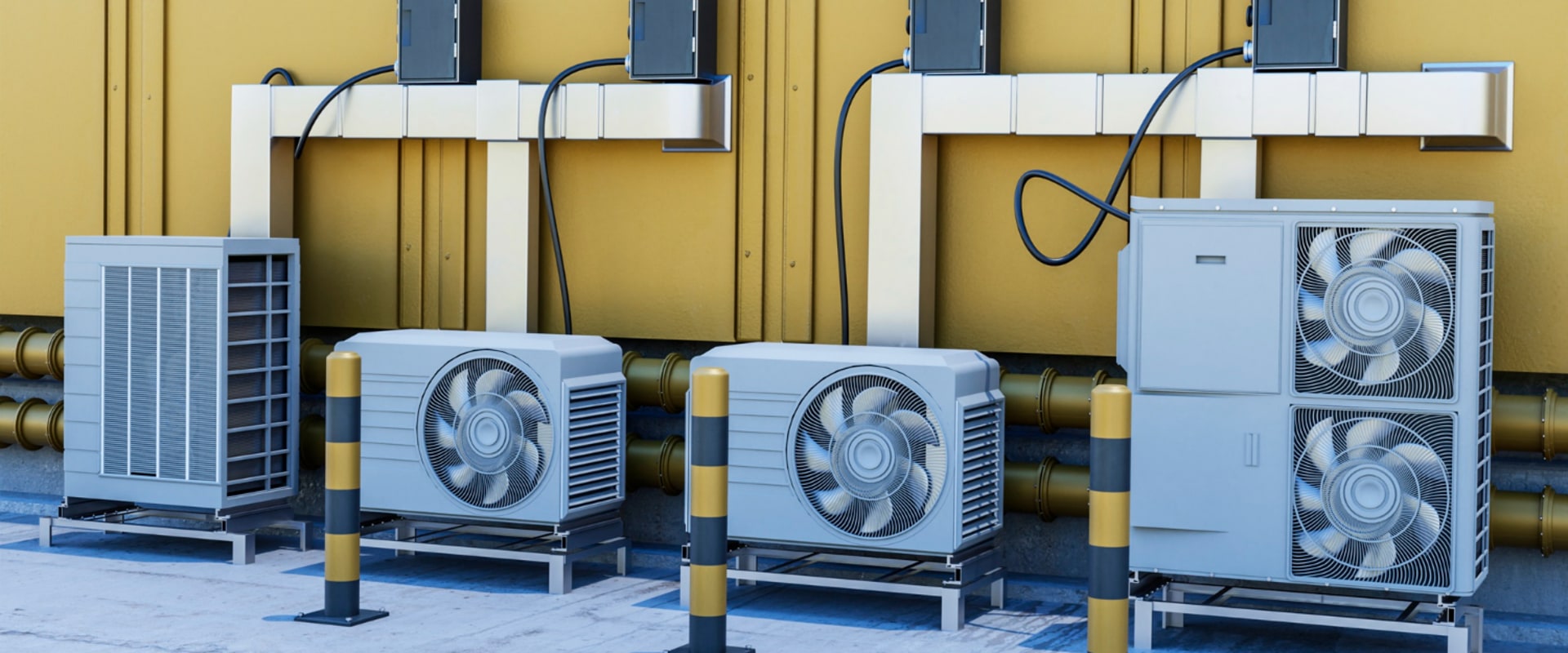
Understanding HVAC systems is essential for homeowners and business owners alike, as these systems play a crucial role in maintaining indoor comfort throughout the year. The term HVAC stands for Heating, Ventilation, and Air Conditioning, which collectively refers to the technology used to regulate temperature, humidity, and air quality in residential and commercial spaces. By grasping the fundamentals of HVAC systems, you can make informed decisions about maintenance, upgrades, and energy efficiency.There are several types of HVAC systems available, each designed to meet specific heating and cooling needs. The most common types include:
- Split Systems: These consist of an outdoor unit that houses the compressor and condenser, and an indoor unit that contains the evaporator coil.
Split systems are popular for their efficiency and ability to provide both heating and cooling.
- Packaged Systems: In this configuration, all components are housed in a single unit, typically installed on the roof or a concrete slab. Packaged systems are ideal for homes with limited indoor space.
- Ductless Mini-Split Systems: These systems offer flexibility by allowing homeowners to control temperatures in individual rooms without the need for ductwork. They are particularly useful in older homes or spaces where traditional ducting is impractical.
- Geothermal Systems: Utilizing the earth's stable underground temperature, geothermal systems provide efficient heating and cooling by transferring heat to and from the ground.
Understanding these components not only helps you appreciate how your HVAC system operates but also highlights the importance of regular maintenance to keep everything running smoothly.
The Importance of Regular HVAC Maintenance
Regular maintenance of your HVAC system is not just a good idea; it is essential for ensuring the longevity and efficiency of your heating, ventilation, and air conditioning units. By investing in HVAC services, homeowners can reap numerous benefits that extend beyond mere comfort.Enhanced Efficiency
One of the primary reasons to prioritize regular HVAC maintenance is the significant boost in efficiency it provides. Over time, dust, dirt, and debris can accumulate within your system, leading to blockages that hinder airflow. This not only forces your HVAC system to work harder but also increases energy consumption.
A well-maintained system operates more efficiently, which translates to lower energy bills and a reduced carbon footprint.
Prolonged Lifespan
Just like any other mechanical system, your HVAC unit has a finite lifespan. However, with regular maintenance, you can extend its operational life significantly. Routine inspections and timely repairs can prevent minor issues from escalating into major problems that could necessitate a complete system replacement. By scheduling annual check-ups with qualified HVAC services, you ensure that your system remains in optimal condition for years to come.
Cost Savings
While some homeowners may view regular maintenance as an unnecessary expense, it is actually a cost-saving measure in the long run.
Preventive maintenance helps identify potential issues before they become costly repairs. For instance, a small refrigerant leak can lead to inefficient cooling and higher energy costs if left unaddressed. By catching such problems early through routine inspections, you can save money on both repairs and energy bills.
Improved Indoor Air Quality
Your HVAC system plays a crucial role in maintaining indoor air quality. Regular maintenance includes changing filters and cleaning ducts, which helps eliminate allergens, dust, and pollutants from circulating in your home.
This is particularly important for individuals with respiratory issues or allergies. A clean HVAC system contributes to a healthier living environment for you and your family.
Peace of Mind
Finally, knowing that your HVAC system is regularly maintained provides peace of mind. You can rest easy knowing that your home will remain comfortable regardless of the season. With a reliable HVAC service plan in place, you can avoid unexpected breakdowns and enjoy consistent performance from your heating and cooling systems.In conclusion, the importance of regular HVAC maintenance cannot be overstated.
From enhancing efficiency and prolonging lifespan to saving costs and improving air quality, the benefits are clear. Make it a priority to schedule routine maintenance with trusted professionals to ensure your HVAC system operates at its best.
Common Issues Caused by Neglecting Maintenance
Neglecting regular maintenance for your HVAC system can lead to a myriad of problems that not only affect the performance of your unit but also your comfort and finances. Understanding these potential issues is crucial for homeowners who want to avoid costly repairs and ensure their systems operate efficiently.1.Decreased Efficiency
One of the most immediate consequences of skipping HVAC maintenance is a significant drop in efficiency. Dust and debris can accumulate in filters, coils, and ducts, obstructing airflow and forcing your system to work harder to maintain the desired temperature.
This increased workload not only leads to higher energy bills but also accelerates wear and tear on the components.
2.Frequent Breakdowns
HVAC systems are complex machines with many moving parts. Without regular inspections and tune-ups, small issues can escalate into major problems. For instance, a minor refrigerant leak can lead to compressor failure if not addressed promptly. Frequent breakdowns not only disrupt your comfort but can also result in expensive emergency repair costs.
3.Poor Indoor Air Quality
Another critical issue stemming from neglected HVAC maintenance is deteriorating indoor air quality.
Clogged filters and dirty ducts can circulate dust, allergens, and pollutants throughout your home, exacerbating respiratory issues and allergies. Regular maintenance helps ensure that your air quality remains healthy by keeping these components clean and functional.
4.Shortened Lifespan of Equipment
HVAC systems are a significant investment for homeowners, and neglecting maintenance can drastically shorten their lifespan. A well-maintained system can last 15-20 years or more, while one that is poorly cared for may fail within a decade. Regular check-ups allow technicians to identify potential issues early, extending the life of your equipment.
5.Increased Repair Costs
Finally, the financial implications of neglecting HVAC maintenance can be severe.
Routine service visits are generally much less expensive than emergency repairs or complete system replacements. By investing in regular maintenance through HVAC services, you can save money in the long run by avoiding unexpected costs associated with major repairs.In summary, neglecting HVAC maintenance can lead to decreased efficiency, frequent breakdowns, poor indoor air quality, a shortened lifespan of equipment, and increased repair costs. Homeowners should prioritize regular maintenance to ensure their systems operate smoothly and efficiently.
Key Maintenance Tasks for Your HVAC System
Maintaining your HVAC system is essential for ensuring its longevity and efficiency. While some tasks can be easily handled by homeowners, others require the expertise of professional HVAC services.Below, we outline key maintenance tasks that you can perform yourself, as well as those that are best left to the professionals.
DIY HVAC Maintenance Tasks
- Replace or Clean Air Filters: One of the simplest yet most effective maintenance tasks is to regularly check and replace or clean your air filters. Clogged filters can restrict airflow, making your system work harder and less efficiently. Aim to check your filters every month and replace them every 1-3 months, depending on usage.
- Inspect and Clean Vents: Dust and debris can accumulate in your vents, reducing airflow. Regularly inspect and clean your vents to ensure optimal performance.
Use a vacuum or a damp cloth to remove dust buildup.
- Check Thermostat Settings: Ensure that your thermostat is functioning correctly. If you have a programmable thermostat, verify that it is set to the appropriate temperatures for different times of the day. Consider upgrading to a smart thermostat for enhanced control.
- Clear Outdoor Units: For air conditioning systems, make sure that the outdoor unit is free from obstructions such as leaves, dirt, and debris. This will help maintain proper airflow and efficiency.
Professional HVAC Services
- Annual System Inspections: Scheduling an annual inspection with a certified technician is crucial.
They will conduct a thorough examination of your system, checking for potential issues such as refrigerant leaks, electrical problems, and overall system performance.
- Duct Cleaning: Over time, dust and allergens can accumulate in your ductwork. Professional duct cleaning services can improve indoor air quality and system efficiency by removing these contaminants.
- Refrigerant Level Check: A professional technician can assess the refrigerant levels in your air conditioning system. Low refrigerant levels can indicate leaks or other issues that need immediate attention.
- Comprehensive Maintenance Plans: Many HVAC companies offer maintenance plans that include regular check-ups and priority service for repairs. These plans can save you money in the long run by preventing major breakdowns.
Regular maintenance not only enhances efficiency but also extends the lifespan of your system, ultimately saving you money on energy bills and repairs.
How to Choose the Right HVAC Service Provider
Choosing the right HVAC services provider is crucial for ensuring the longevity and efficiency of your heating and cooling systems. With so many options available, it can be overwhelming to determine which company will best meet your needs. Here are some essential tips to help you make an informed decision.Check Qualifications and Certifications
First and foremost, verify that the HVAC service provider holds the necessary licenses and certifications. A reputable company should be licensed to operate in your state and have certified technicians who are trained in the latest HVAC technologies.Look for certifications from recognized organizations such as the North American Technician Excellence (NATE) or the Air Conditioning Contractors of America (ACCA). These credentials indicate a commitment to quality and professionalism.
Read Customer Reviews
Customer feedback can provide valuable insights into the reliability and quality of service offered by an HVAC company. Check online reviews on platforms like Google, Yelp, or Angie's List to gauge customer satisfaction. Pay attention to recurring themes in reviews, such as punctuality, professionalism, and the effectiveness of repairs.A company with consistently positive reviews is likely to be a trustworthy choice.
Ask About Service Plans
Inquire whether the HVAC provider offers maintenance plans or service contracts. Regular maintenance is essential for keeping your system running efficiently and can help prevent costly repairs down the line. A good service plan should include annual inspections, priority service, and discounts on repairs. This not only saves you money but also ensures that your system receives regular attention from professionals.Evaluate Customer Service
The level of customer service provided by an HVAC company can significantly impact your overall experience.When contacting potential providers, assess their responsiveness and willingness to answer your questions. A reliable company should be transparent about their services, pricing, and any warranties they offer. Good communication is key to building a trusting relationship with your HVAC service provider.
Get Multiple Quotes
Finally, don’t hesitate to obtain quotes from several HVAC companies before making a decision. This will give you a better understanding of the market rates for services in your area.However, be cautious of prices that seem too good to be true; they may indicate subpar service or hidden fees. Look for a balance between cost and quality when selecting your HVAC provider.By following these guidelines, you can confidently choose an HVAC service provider that meets your needs and ensures the optimal performance of your heating and cooling systems.
The Cost of Regular Maintenance vs. Repairs
When it comes to managing your HVAC system, understanding the financial implications of regular maintenance versus emergency repairs is crucial. Many homeowners often overlook the importance of routine maintenance, assuming that it is an unnecessary expense.However, a closer examination reveals that investing in HVAC services for regular upkeep can lead to significant savings in the long run.Regular maintenance typically involves a scheduled inspection and servicing of your heating and cooling systems. This can include tasks such as cleaning filters, checking refrigerant levels, and inspecting electrical components. The average cost for these routine services can range from $100 to $300 annually, depending on the complexity of your system and the service provider.In contrast, emergency repairs can be substantially more expensive. When a system fails unexpectedly, homeowners may face repair bills that can easily exceed $1,000, especially if major components need replacement.
For instance, a malfunctioning compressor or a broken heat exchanger can lead to hefty costs that could have been avoided with regular maintenance.
Cost Comparison: Maintenance vs. Repairs
- Routine Maintenance: $100 - $300 per year
- Emergency Repairs: $1,000+ per incident
These plans often include discounts on repairs and priority service during peak seasons. By enrolling in such programs, homeowners can further reduce their overall costs associated with HVAC services.In conclusion, while the upfront cost of regular maintenance may seem like an added expense, it is a wise investment that pays off by preventing costly repairs and ensuring your home remains comfortable year-round. By taking proactive steps to maintain your HVAC system, you can save money and avoid the stress of unexpected breakdowns.
Creating a Maintenance Schedule for Your HVAC System
Establishing a comprehensive HVAC maintenance schedule is essential for ensuring the longevity and efficiency of your heating and cooling systems. A well-structured schedule not only helps in identifying potential issues before they escalate but also optimizes the performance of your system throughout the year.To create an effective maintenance schedule, consider the following steps:- Assess Your System: Begin by understanding the specific requirements of your HVAC system.
Different systems may have varying maintenance needs based on their age, type, and usage patterns. Refer to the manufacturer’s manual for specific recommendations.
- Frequency of Service: Generally, it is advisable to have your HVAC system serviced at least twice a year—once in the spring for air conditioning and once in the fall for heating. This biannual check-up allows technicians to address any seasonal issues and prepare your system for the upcoming demands.
- Seasonal Maintenance Tips: Implement seasonal tasks to keep your system running smoothly. For example:
- Spring: Clean or replace air filters, check refrigerant levels, and inspect ductwork for leaks.
- Summer: Ensure that outdoor units are free from debris, check thermostat settings, and clean condenser coils.
- Fall: Inspect heating elements, clean or replace filters, and check carbon monoxide detectors.
- Winter: Ensure proper insulation around ducts, check for any signs of wear on heating components, and schedule a thorough inspection before heavy usage.
- Document Everything: Keep a detailed log of all maintenance activities performed on your HVAC system.
This documentation can be invaluable for tracking performance over time and can also be beneficial if you ever need to make warranty claims.
- Consider Professional Help: While some maintenance tasks can be performed by homeowners, it’s crucial to enlist professional HVAC services for complex inspections and repairs. Certified technicians have the expertise to identify issues that may not be apparent to the untrained eye.
FAQs About HVAC Maintenance
When it comes to HVAC maintenance, many homeowners have questions that can help them better understand the importance of regular service and how to troubleshoot common issues. Below are some frequently asked questions regarding HVAC services that can provide clarity and enhance your knowledge.What is included in regular HVAC maintenance?
Regular HVAC maintenance typically includes a comprehensive inspection and tune-up of your heating and cooling systems. Key components that are usually checked include:- Air filters: These should be replaced or cleaned regularly to ensure optimal airflow and efficiency.
- Thermostat calibration: Ensuring your thermostat is functioning correctly can help maintain consistent temperatures.
- Refrigerant levels: Low refrigerant can indicate leaks, which need to be addressed promptly.
- Electrical connections: Tightening and inspecting electrical connections can prevent potential hazards.
- Ductwork inspection: Checking for leaks or blockages in the ductwork ensures efficient airflow throughout your home.
How often should I schedule HVAC maintenance?
It is generally recommended to schedule HVAC maintenance at least once a year.For optimal performance, consider having your air conditioning system serviced in the spring and your heating system in the fall. This seasonal approach helps prepare your systems for the demands of extreme temperatures.
What are the signs that my HVAC system needs repair?
There are several indicators that your HVAC system may require attention:- Unusual noises: Sounds like grinding, squealing, or banging can signal mechanical issues.
- Inefficient heating or cooling: If certain rooms are not reaching the desired temperature, it may indicate a problem.
- Increased energy bills: A sudden spike in energy costs could suggest that your system is working harder than it should.
- Frequent cycling: If your system turns on and off more frequently than normal, it may need servicing.
Can I perform HVAC maintenance myself?
While some basic tasks, such as changing air filters or cleaning vents, can be done by homeowners, it is advisable to leave more complex inspections and repairs to professionals. Certified technicians have the expertise to identify issues that may not be visible to the untrained eye, ensuring your system operates efficiently and safely.If you have further questions about HVAC services, don’t hesitate to reach out to a qualified technician who can provide personalized advice based on your specific system and needs.Conclusion: The Long-Term Benefits of Regular HVAC Maintenance
In conclusion, the significance of regular HVAC maintenance cannot be overstated. By investing in HVAC services, homeowners not only enhance the efficiency of their heating and cooling systems but also extend their lifespan.This proactive approach to maintenance leads to a multitude of long-term benefits that ultimately contribute to a more comfortable living environment.One of the primary advantages of routine maintenance is the prevention of unexpected breakdowns. Regular inspections by qualified technicians can identify potential issues before they escalate into major problems, saving homeowners from costly repairs and inconvenient outages. For instance, a simple cleaning of the air filters or checking for refrigerant leaks can prevent more severe malfunctions that could require expensive parts or even a complete system replacement.Moreover, consistent maintenance ensures that your HVAC system operates at peak efficiency. Systems that are well-maintained consume less energy, which translates to lower utility bills.
This is particularly important as energy costs continue to rise. By optimizing your system's performance through regular service, you can enjoy significant savings over time.Additionally, regular HVAC maintenance contributes to improved indoor air quality. A well-functioning system effectively filters out dust, allergens, and other pollutants, creating a healthier living space for you and your family. This is especially crucial for individuals with respiratory issues or allergies.Furthermore, many HVAC service providers offer comprehensive maintenance plans that include annual check-ups and priority service during peak seasons.
These plans not only provide peace of mind but also ensure that your system is always ready to perform when you need it most.In summary, the long-term benefits of regular HVAC maintenance are clear: enhanced efficiency, reduced energy costs, improved air quality, and fewer unexpected repairs. By prioritizing HVAC services, homeowners can enjoy a comfortable and healthy home environment while safeguarding their investment in one of the most critical systems in their residence.