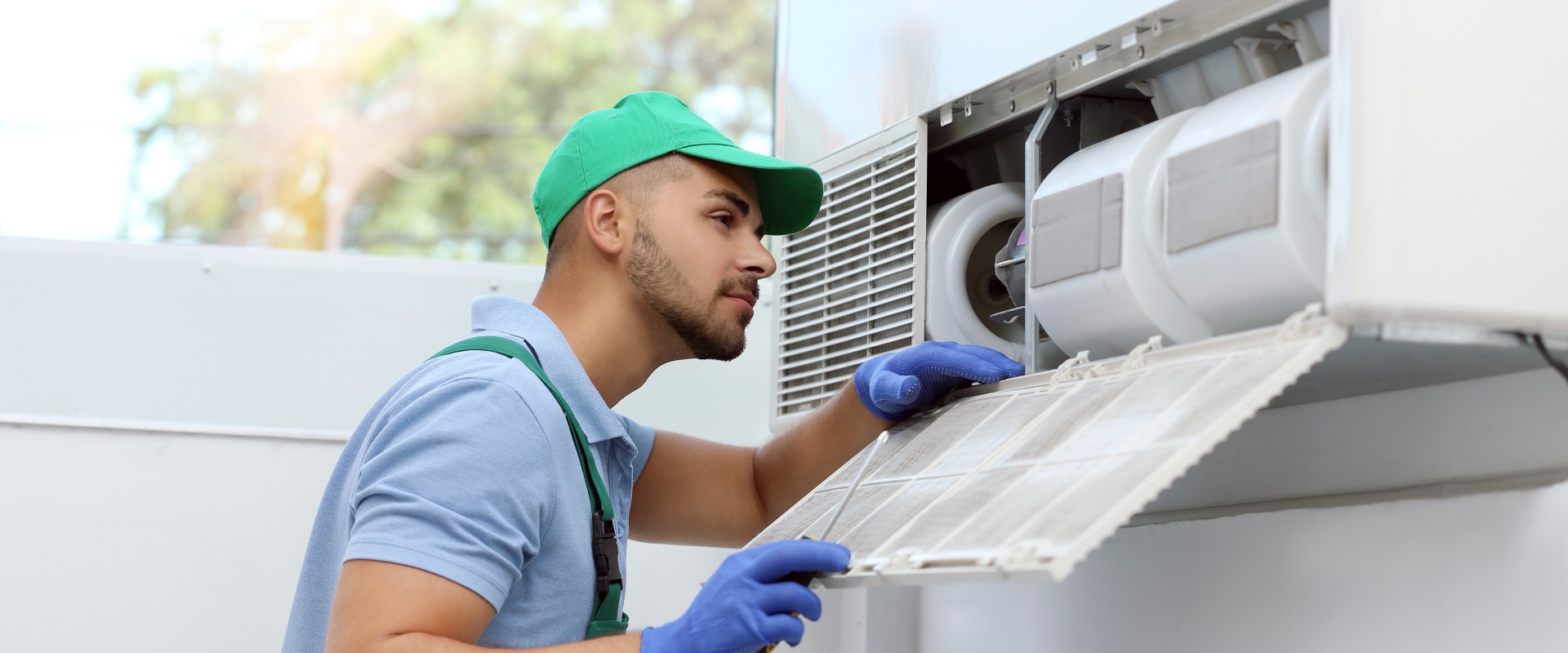
When it comes to ensuring a comfortable living environment, understanding HVAC services is essential. The acronym HVAC stands for Heating, Ventilation, and Air Conditioning , which collectively represent the systems responsible for regulating indoor climate. These systems play a crucial role in maintaining not only the temperature but also the air quality within our homes and workplaces. As such, they are integral to our overall well-being and comfort.HVAC services encompass a wide range of offerings designed to install, maintain, and repair these vital systems.
From routine maintenance checks to emergency repairs, professional HVAC service providers ensure that your heating and cooling systems operate efficiently. This is particularly important in regions with extreme weather conditions, where a malfunctioning HVAC system can lead to discomfort and even health risks.The importance of reliable HVAC services cannot be overstated. Regular maintenance helps prevent costly breakdowns and extends the lifespan of your equipment. Moreover, an efficient HVAC system can significantly reduce energy consumption, leading to lower utility bills.
By investing in professional HVAC services, homeowners not only enhance their comfort but also contribute to a more sustainable environment by minimizing energy waste.In summary, understanding what HVAC services entail is the first step toward ensuring a comfortable and healthy indoor environment. As we delve deeper into this guide, we will explore various aspects of HVAC services, including how to choose the right provider, the benefits of regular maintenance, and the latest technologies in the industry.
Types of HVAC Services
When it comes to HVAC services, understanding the different types of offerings can help homeowners make informed decisions about their heating, ventilation, and air conditioning systems. HVAC service providers typically offer three main categories of services: installation, maintenance, and repair.HVAC Installation
One of the primary services provided by HVAC contractors is installation. This process involves setting up new heating and cooling systems in residential or commercial properties.Proper installation is crucial for ensuring that the system operates efficiently and effectively. Key aspects of HVAC installation include:
- System Selection: Choosing the right type of HVAC system based on the size of the space, energy efficiency ratings, and specific heating or cooling needs.
- Ductwork Installation: For systems that require ductwork, proper installation is essential to ensure optimal airflow and efficiency.
- Thermostat Setup: Installing and configuring thermostats to allow for easy temperature control and energy management.
HVAC Maintenance
Routine maintenance is vital for prolonging the lifespan of your HVAC system and ensuring it operates at peak efficiency. Regular maintenance services typically include:- Filter Replacement: Changing air filters regularly to maintain good air quality and system efficiency.
- System Inspections: Comprehensive checks of all components to identify potential issues before they become major problems.
- Cleansing Coils and Ducts: Cleaning evaporator and condenser coils, as well as ductwork, to enhance airflow and efficiency.
HVAC Repair
No matter how well-maintained your system is, repairs may still be necessary from time to time. Common HVAC repair services include:- Troubleshooting Issues: Diagnosing problems such as inconsistent temperatures, strange noises, or increased energy bills.
- Component Replacement: Replacing faulty parts like compressors, fans, or thermostats to restore functionality.
- Emergency Repairs: Providing urgent assistance during system failures, especially during extreme weather conditions.
Whether you need a new installation, routine maintenance, or urgent repairs, working with a qualified HVAC service provider ensures that your home remains a comfortable haven year-round.
Choosing the Right HVAC Service Provider
Choosing the right HVAC service provider is crucial for ensuring the comfort and efficiency of your home’s heating and cooling systems. With so many options available, it can be overwhelming to determine which contractor will best meet your needs. Here are some essential tips to guide you in selecting a reputable HVAC contractor.1.Verify Credentials and Experience
- Check for proper licensing and insurance. A legitimate HVAC contractor should have the necessary licenses to operate in your state, as well as liability insurance to protect you from any potential damages during the job.
- Look for experience in the industry.
Contractors with several years of experience are often more reliable, as they have dealt with a variety of HVAC systems and issues.
2.Read Reviews and Ask for References
- Online reviews can provide insight into the quality of service a contractor offers. Websites like Yelp, Google Reviews, and Angie's List can be valuable resources.
- Don’t hesitate to ask the contractor for references from previous clients. Speaking directly with past customers can give you a clearer picture of what to expect.
3.Evaluate Service Offerings
Different HVAC contractors may specialize in various services. Ensure that the provider you choose offers:
- Installation, maintenance, and repair services for both heating and cooling systems.
- Additional services such as air quality assessments, duct cleaning, and energy efficiency evaluations.
4.Get Multiple Estimates
Before making a decision, obtain estimates from at least three different contractors.
This will help you compare pricing, services offered, and overall professionalism. Be wary of quotes that seem significantly lower than others; they may indicate subpar service or hidden costs.
5.Prepare Questions to Ask
When interviewing potential HVAC contractors, consider asking the following questions:
- What brands do you recommend and why?
- Can you provide a detailed written estimate?
- What warranties do you offer on parts and labor?
- How do you handle emergency repairs?
- What is your maintenance plan like?
The Importance of Regular Maintenance
Regular maintenance of your HVAC system is not just a good practice; it is essential for ensuring the longevity and efficiency of your heating and cooling systems. By investing time and resources into routine check-ups, homeowners can enjoy a multitude of benefits that extend beyond mere comfort.Benefits of Regular HVAC Maintenance
- Enhanced Efficiency: A well-maintained HVAC system operates more efficiently, which can lead to lower energy bills. Regular maintenance helps to identify and rectify issues that may cause the system to work harder than necessary.
- Prolonged Lifespan: Just like any other mechanical system, HVAC units have a finite lifespan.
Routine maintenance can significantly extend this lifespan by preventing major breakdowns and costly repairs.
- Improved Air Quality: Regularly changing filters and cleaning ducts can help reduce allergens and pollutants in your home, leading to better indoor air quality. This is particularly important for families with children or individuals with respiratory issues.
- Fewer Repairs: By catching small problems before they escalate, regular maintenance reduces the likelihood of unexpected breakdowns. This not only saves money but also provides peace of mind.
- Warranty Protection: Many HVAC manufacturers require regular maintenance to keep warranties valid. Failing to adhere to these guidelines could result in voiding your warranty.
Practical Maintenance Tips for Homeowners
To ensure your HVAC system remains in optimal condition, consider the following maintenance tips:
- Change Filters Regularly: Check your air filters monthly and replace them at least every three months.
Clogged filters restrict airflow and can cause the system to work harder.
- Schedule Professional Inspections: At least once a year, have a certified HVAC technician inspect your system. They can identify potential issues and perform necessary adjustments.
- Clean the Outdoor Unit: Ensure that the outdoor condenser unit is free from debris such as leaves, dirt, and grass clippings. This allows for proper airflow and cooling efficiency.
- Check Thermostat Settings: Ensure your thermostat is functioning correctly and set to an appropriate temperature. Consider upgrading to a programmable thermostat for added convenience.
- Inspect Ductwork: Look for signs of leaks or blockages in your ductwork.
Sealing leaks can improve efficiency and comfort throughout your home.
Common HVAC Problems and Solutions
HVAC systems are complex and can encounter a variety of issues over time. Understanding these common problems and their solutions can help homeowners maintain a comfortable living environment and avoid costly repairs. Here are some frequent HVAC issues and how to troubleshoot them:- Inconsistent Temperatures: If certain rooms in your home are too hot or too cold, it may indicate an issue with your HVAC system.
This could be due to blocked vents, poor insulation, or an improperly sized system. To troubleshoot, check for any obstructions around vents and ensure that your insulation is adequate. If the problem persists, consider consulting an HVAC professional to assess the system's capacity.
- Strange Noises: Unusual sounds such as banging, hissing, or squealing can signal mechanical issues within your HVAC unit. These noises may arise from loose components, a failing motor, or debris in the system.
Inspect the unit for visible signs of wear or damage, and if necessary, contact a technician to diagnose and repair the issue.
- Increased Energy Bills: A sudden spike in energy costs can indicate that your HVAC system is working harder than it should. This could be due to dirty filters, refrigerant leaks, or aging equipment. Regularly changing air filters and scheduling routine maintenance can help improve efficiency. If energy bills remain high despite these efforts, it may be time to evaluate your system's overall performance.
- Short Cycling: If your HVAC system frequently turns on and off without reaching the desired temperature, it may be short cycling.
This can be caused by an oversized unit, a malfunctioning thermostat, or airflow restrictions. Check the thermostat settings and ensure that air filters are clean. If the issue continues, consult with an HVAC technician for further evaluation.
- Foul Odors: Unpleasant smells emanating from your HVAC system can indicate mold growth or burnt-out components. If you detect musty odors, it may be time to clean the ducts or replace filters.
For burning smells, immediately turn off the system and seek professional assistance to prevent further damage.
Energy Efficiency and Your HVAC System
In today's world, where energy costs are continually rising and environmental concerns are at the forefront, energy efficiency has become a critical factor in the performance of HVAC systems. An energy-efficient HVAC system not only reduces your carbon footprint but also leads to significant savings on utility bills. Understanding how to improve the efficiency of your HVAC system can make a substantial difference in both your comfort and your wallet.Understanding Energy-Efficient HVAC Systems
Energy-efficient HVAC systems are designed to use less energy while providing the same level of comfort as traditional systems.
These systems often come with advanced technology, such as variable speed motors, smart thermostats, and high SEER (Seasonal Energy Efficiency Ratio) ratings. When selecting an HVAC system, look for models that are ENERGY STAR certified, as these meet strict energy efficiency guidelines set by the U. S. Environmental Protection Agency.
Tips for Improving HVAC Efficiency
- Regular Maintenance: Schedule routine maintenance checks with a qualified HVAC service provider.
Regular inspections can identify potential issues before they become costly repairs and ensure that your system is running at peak efficiency.
- Upgrade Your Thermostat: Consider installing a programmable or smart thermostat. These devices allow you to set specific temperatures for different times of the day, reducing energy consumption when you're not home.
- Seal Ductwork: Leaky ducts can lead to significant energy loss. Ensure that your ductwork is properly sealed and insulated to prevent conditioned air from escaping.
- Improve Insulation: Proper insulation in your home helps maintain the desired temperature, reducing the workload on your HVAC system. Check areas like attics, basements, and walls for adequate insulation.
- Use Ceiling Fans: Ceiling fans can help circulate air throughout your home, allowing you to set your thermostat a few degrees higher in summer and lower in winter without sacrificing comfort.
Energy Savings with HVAC Systems
The financial benefits of an energy-efficient HVAC system can be substantial.
By implementing the tips mentioned above, homeowners can expect to see a reduction in their monthly energy bills. In fact, according to the U. Department of Energy, homeowners can save between 10% to 30% on their heating and cooling costs by improving their HVAC efficiency.Moreover, many utility companies offer rebates and incentives for upgrading to energy-efficient systems or making improvements to existing ones. This not only helps offset the initial investment but also encourages homeowners to adopt more sustainable practices.In conclusion, prioritizing energy efficiency in your HVAC system is not just about saving money; it's about creating a more sustainable future.
By understanding how to enhance your system's efficiency and taking proactive steps, you can enjoy a comfortable home while contributing positively to the environment.
FAQs About HVAC Services
When it comes to HVAC services, many homeowners have questions that can help them better understand their systems and the importance of regular maintenance. Below are some frequently asked questions that address common concerns and misconceptions about HVAC services.What does HVAC stand for?
HVAC is an acronym that stands for Heating, Ventilation, and Air Conditioning. This system is designed to provide thermal comfort and acceptable indoor air quality in residential and commercial buildings. Each component plays a crucial role in maintaining a comfortable environment.How often should I have my HVAC system serviced?
It is generally recommended to have your HVAC system serviced at least once a year.For optimal performance, consider scheduling maintenance twice a year—once before the heating season and once before the cooling season. Regular maintenance helps identify potential issues early, ensuring your system operates efficiently.
What are the signs that my HVAC system needs repair?
- Inconsistent temperatures: If certain rooms are too hot or too cold, it may indicate a problem with your HVAC system.
- Unusual noises: Sounds like banging, clanking, or hissing can signal mechanical issues that require attention.
- Increased energy bills: A sudden spike in your utility bills may suggest that your system is working harder than it should due to inefficiencies.
- Frequent cycling: If your system turns on and off frequently, it may be struggling to maintain the desired temperature.
What is included in routine HVAC maintenance?
Routine maintenance typically includes:- Inspecting and replacing air filters
- Cleaning the coils and blower components
- Checking refrigerant levels
- Tightening electrical connections
- Lubricating moving parts
How can I improve my HVAC system's efficiency?
To enhance the efficiency of your HVAC system, consider the following tips:- Regular maintenance: Schedule annual check-ups with a qualified technician.
- Upgrade insulation: Ensure your home is well-insulated to prevent heat loss or gain.
- Seal ducts: Inspect and seal any leaks in your ductwork to improve airflow.
- Use programmable thermostats: These devices can help optimize energy use by adjusting temperatures based on your schedule.
Conclusion: Ensuring Comfort with Professional HVAC Services
In conclusion, the significance of professional HVAC services cannot be overstated when it comes to ensuring a comfortable living environment in your home. Throughout this guide, we have explored the various aspects of HVAC systems, including their components, the importance of regular maintenance, and the critical role that qualified service providers play in optimizing system performance.As we have discussed, a well-functioning HVAC system is essential for maintaining indoor air quality and regulating temperature.Neglecting your system can lead to a host of issues, from inefficient energy use to complete system failures. Therefore, investing in routine maintenance and timely repairs is not just a matter of convenience; it is a necessity for safeguarding your home’s comfort and efficiency.Moreover, choosing the right HVAC service provider is crucial. Look for companies that are licensed, insured, and have a solid reputation in your community. Reading customer reviews and seeking recommendations can help you make an informed decision.
A reliable contractor will not only address immediate concerns but also provide valuable insights into how to enhance your system's longevity and efficiency.To recap, here are some key takeaways:
- Regular Maintenance: Schedule annual check-ups to keep your HVAC system running smoothly.
- Prompt Repairs: Address any signs of malfunction immediately to prevent further damage.
- Professional Expertise: Rely on certified technicians who understand the intricacies of HVAC systems.
- Energy Efficiency: Consider upgrades or replacements that can improve energy efficiency and reduce utility bills.