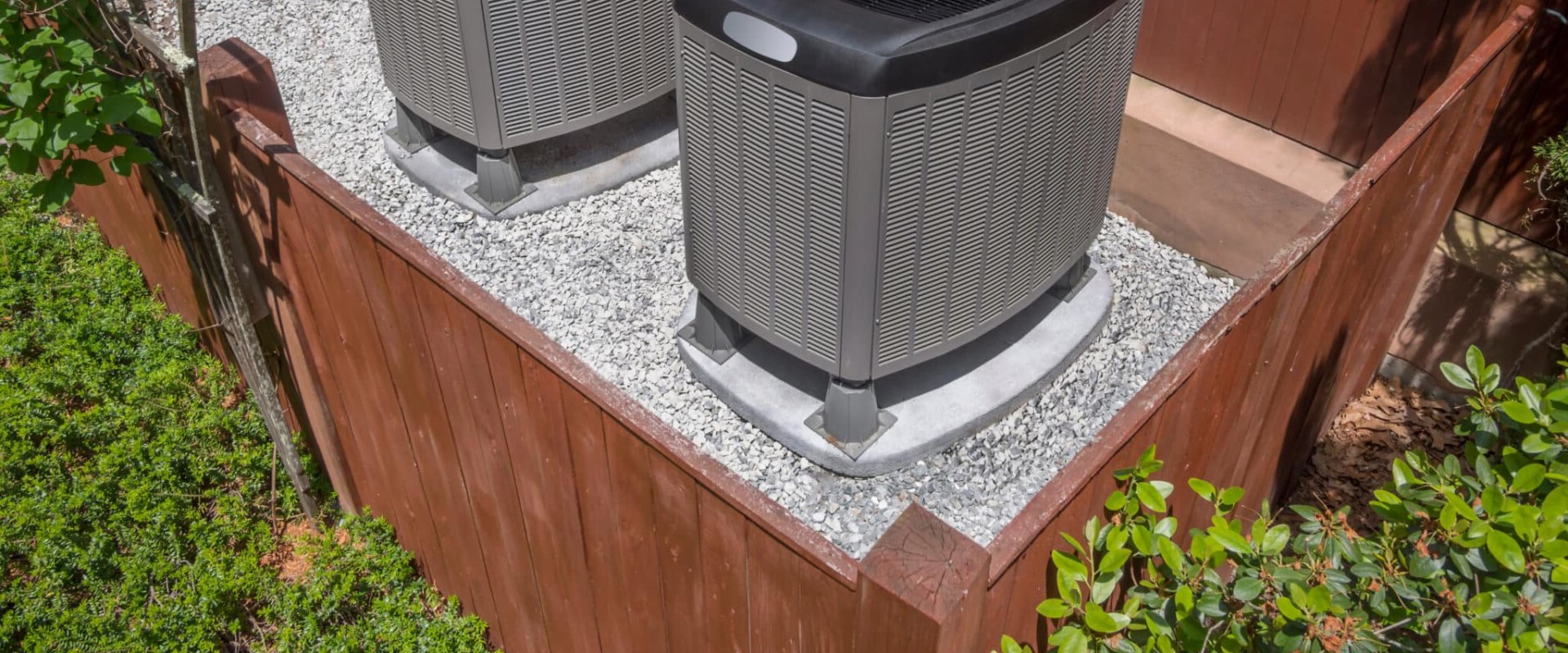
In today's fast-paced world, the significance of HVAC services cannot be overstated. These services encompass a wide range of tasks, including installation, maintenance, and repair of heating, ventilation, and air conditioning systems. As we spend a considerable amount of time indoors—whether at home or in the workplace—ensuring optimal indoor air quality and temperature control is essential for our comfort and well-being. The importance of HVAC services extends beyond mere comfort; they play a crucial role in enhancing energy efficiency, which can lead to significant cost savings over time.Understanding what cannot be overstated. These services encompass a wide range of tasks, including installation, maintenance, and repair of heating, ventilation, and air conditioning systems. As we spend a considerable amount of time indoors—whether at home or in the workplace—ensuring optimal indoor air quality and temperature control is essential for our comfort and well-being. The importance of HVAC services extends beyond mere comfort; they play a crucial role in enhancing energy efficiency, which can lead to significant cost savings over time.Understanding what HVAC services entail is vital for homeowners and business owners alike.
These services include routine maintenance checks, emergency repairs, system installations, and upgrades to more energy-efficient models. Regular maintenance not only prolongs the lifespan of HVAC systems but also ensures they operate at peak efficiency. This is particularly important as energy costs continue to rise, making it imperative for consumers to seek out ways to reduce their utility bills while maintaining a comfortable environment.As we look ahead to 2023, the landscape of HVAC services is poised for change. Factors such as technological advancements, evolving energy efficiency standards, and market dynamics will influence both the availability and pricing of these essential services.
By staying informed about these trends, consumers can make educated decisions regarding their HVAC needs. Investing in professional HVAC services today not only enhances immediate comfort but also prepares homeowners and businesses for the future challenges of rising costs and changing regulations.
Current Trends Influencing HVAC Prices
As we navigate through 2023, several key trends are shaping the landscape of HVAC prices. Understanding these trends is essential for homeowners and businesses alike, as they directly influence the cost of HVAC services and the overall market dynamics.Supply Chain Disruptions
The ongoing effects of global supply chain disruptions continue to impact the availability of HVAC systems and components. Manufacturers have faced challenges in sourcing raw materials, leading to delays in production and increased costs.
This shortage not only affects new installations but also complicates repairs and maintenance services, as parts may be harder to come by. As a result, many HVAC service providers are compelled to raise their prices to cover these increased operational costs.
Inflationary Pressures
Inflation has been a significant factor affecting various industries, including HVAC. Rising costs for materials, transportation, and energy have led to higher prices for both consumers and service providers. Homeowners may notice that the cost of routine maintenance or emergency repairs has increased compared to previous years.
This inflationary trend is expected to persist throughout 2023, making it crucial for consumers to budget accordingly for their HVAC needs.
Labor Costs and Workforce Challenges
The HVAC industry is also grappling with labor shortages, which have been exacerbated by the pandemic. Skilled technicians are in high demand, and as a result, labor costs have risen significantly. Companies are often forced to offer competitive wages and benefits to attract qualified workers, which can lead to higher service rates for customers. This trend highlights the importance of investing in workforce development and training programs to ensure a steady supply of skilled labor in the future.
Technological Advancements
On a more positive note, advancements in technology are influencing HVAC prices as well.
New energy-efficient systems may come with a higher upfront cost but can lead to significant savings on energy bills over time. Homeowners should consider these long-term benefits when evaluating their options. Additionally, smart HVAC systems that offer enhanced control and monitoring capabilities are becoming increasingly popular, further shaping market trends.In summary, understanding the current trends influencing HVAC prices—from supply chain issues and inflation to labor costs and technological advancements—can empower consumers to make informed decisions regarding their heating and cooling needs. Staying abreast of these factors will not only help in budgeting but also in selecting the right HVAC services for your home or business.
The Impact of Supply Chain Disruptions on HVAC Costs
The HVAC industry has faced significant challenges in recent years, primarily due to supply chain disruptions that have affected the availability and pricing of essential components.These disruptions have not only led to increased costs for manufacturers but have also trickled down to consumers seeking HVAC services.One of the primary reasons for these supply chain issues is the global pandemic, which caused widespread factory shutdowns and labor shortages. As a result, many manufacturers struggled to keep up with demand, leading to shortages of critical HVAC components such as compressors, coils, and circuit boards. This scarcity has forced companies to raise their prices in order to maintain profit margins, ultimately impacting the cost of HVAC systems and services.In addition to pandemic-related challenges, geopolitical tensions and trade restrictions have further complicated the supply chain landscape. For instance, tariffs on imported goods have increased costs for manufacturers who rely on overseas suppliers.
This has created a ripple effect throughout the industry, as higher production costs are passed on to consumers in the form of elevated prices for HVAC installations and repairs.Looking ahead to 2023, it is crucial for homeowners and business owners to understand how these supply chain dynamics may evolve. Experts predict that while some supply chain issues may begin to stabilize, others could persist due to ongoing global uncertainties. As a result, consumers should be prepared for potential fluctuations in HVAC prices as manufacturers continue to navigate these challenges.To mitigate the impact of rising costs, it is advisable for homeowners to consider proactive measures such as:
- Regular Maintenance: Keeping your existing HVAC system well-maintained can extend its lifespan and improve efficiency, reducing the need for costly replacements.
- Early Upgrades: If your system is aging or inefficient, upgrading sooner rather than later may save you money in the long run before prices increase further.
- Consulting Professionals: Engaging with local HVAC experts can provide insights into current market trends and help you make informed decisions regarding your heating and cooling needs.
Labor Costs and Their Role in HVAC Pricing
The HVAC industry is currently facing significant challenges related to labor costs, which are increasingly influencing the pricing of HVAC services.As demand for heating and cooling systems continues to rise, so too does the need for skilled technicians who can install, maintain, and repair these systems. However, the labor market is experiencing a shortage of qualified professionals, leading to increased wages and, consequently, higher service prices.One of the primary factors driving up HVAC technician wages is the growing complexity of modern HVAC systems. Technicians today must possess a diverse skill set that includes knowledge of advanced technologies such as smart thermostats, energy-efficient systems, and environmentally friendly refrigerants. This demand for specialized skills has resulted in higher compensation packages to attract and retain talent.Moreover, the HVAC industry is not immune to the broader trends affecting the labor market.
Many sectors are experiencing a labor shortage, which has led to fierce competition among employers for skilled workers. Companies are often compelled to offer better pay and benefits to secure qualified technicians, further driving up operational costs.In addition to wage increases, retaining skilled technicians poses another challenge for HVAC service providers. High turnover rates can disrupt service continuity and lead to increased training costs for new hires. As companies strive to maintain a stable workforce, they may need to invest in employee development programs and incentives that enhance job satisfaction.As a result of these factors, homeowners and businesses can expect to see an impact on their HVAC service pricing.
The rising labor costs will likely be passed on to consumers in the form of higher service fees. To mitigate these costs, it is essential for customers to consider regular maintenance plans that can extend the lifespan of their systems and reduce the need for costly repairs.In conclusion, understanding the dynamics of labor costs in the HVAC industry is crucial for both service providers and consumers. As wages continue to rise due to market pressures and skill shortages, it is vital for homeowners to stay informed about how these changes affect their HVAC services and overall expenses.
Energy Efficiency Standards and Their Financial Implications
As we move into 2023, the HVAC industry is poised for significant changes, particularly with the introduction of new energy efficiency standards. These regulations are designed to enhance the performance of heating, ventilation, and air conditioning systems, ultimately leading to lower energy consumption and reduced environmental impact.However, they also come with financial implications that both consumers and service providers must consider.The new regulations mandate higher Seasonal Energy Efficiency Ratio (SEER) ratings for air conditioning units and heat pumps. This means that any new systems installed must meet these stricter efficiency benchmarks. While this may initially lead to higher upfront costs for HVAC services, the long-term benefits can outweigh these expenses.Investing in energy-efficient HVAC systems can result in substantial savings on energy bills. According to the U.
S. Department of Energy, upgrading to a system with a higher SEER rating can save homeowners up to 30% on cooling costs. This is particularly important as energy prices continue to rise, making efficiency a critical factor in managing household budgets.Moreover, the implementation of these standards is expected to drive innovation within the HVAC industry. Manufacturers will be compelled to develop more advanced technologies that not only comply with regulations but also offer enhanced features such as smart thermostats and variable-speed motors.
These innovations can further improve energy efficiency and comfort levels in homes and businesses.However, it’s essential for consumers to be aware of the potential for increased installation costs associated with these new systems. As manufacturers adjust their production lines to meet the new standards, there may be a temporary spike in prices for HVAC services. Homeowners should consider this when budgeting for a new system or replacement.In conclusion, while the new energy efficiency standards set to take effect in 2023 may lead to higher initial costs for HVAC systems, they promise long-term savings and environmental benefits. Homeowners are encouraged to consult with local HVAC professionals to explore financing options and maintenance plans that can help mitigate these costs while ensuring compliance with the latest regulations.
Predictions for HVAC Prices in 2023
As we look ahead to 2023, the landscape of HVAC prices is poised for significant changes influenced by a variety of factors.Understanding these dynamics can help homeowners and business owners make informed decisions regarding their heating and cooling needs.
1.Supply Chain Recovery
The ongoing recovery from supply chain disruptions that plagued the HVAC industry in previous years is expected to play a crucial role in pricing. As manufacturers ramp up production and logistics improve, we may see a stabilization in the availability of HVAC units and components. This could lead to a gradual decrease in prices as competition increases and supply meets demand.
2.Labor Costs
Labor costs have been on the rise due to a shortage of skilled technicians in the HVAC field. In 2023, this trend is likely to continue, impacting service prices.
Companies may need to offer higher wages to attract talent, which could be passed on to consumers through increased service fees for HVAC services. Homeowners should anticipate potential increases in labor charges for both installation and maintenance services.
3.Energy Efficiency Standards
The introduction of new energy efficiency standards will also affect HVAC pricing. While these regulations aim to promote environmentally friendly systems, they may result in higher upfront costs for new installations. Homeowners considering upgrades should factor in these potential price increases when budgeting for their HVAC needs.
4.Inflationary Pressures
Inflation remains a significant concern across various sectors, including HVAC.
Rising material costs and overall economic inflation are likely to contribute to higher prices for both equipment and services throughout 2023. Consumers should be prepared for fluctuating prices as businesses adjust to these economic pressures.
5.Seasonal Demand Fluctuations
Seasonal demand will continue to influence HVAC pricing trends. Typically, demand peaks during extreme weather conditions—hot summers or cold winters—leading to increased service requests and potentially higher prices during these periods. Homeowners should consider scheduling maintenance or upgrades during off-peak seasons to avoid inflated costs.In summary, while there are several factors at play that could influence HVAC prices in 2023, staying informed about these trends can empower consumers to make strategic decisions regarding their heating and cooling systems. Engaging with local HVAC services can provide valuable insights tailored to individual needs, ensuring that homeowners are well-prepared for the evolving market landscape.
How Homeowners Can Prepare for Rising HVAC Costs
As homeowners brace for potential increases in HVAC costs, it’s essential to take proactive steps to mitigate the impact on your budget.Here are several strategies that can help you prepare for rising HVAC services costs while ensuring your system remains efficient and reliable.
1.Regular Maintenance is Key
- Schedule routine maintenance checks at least once a year. This can help identify issues before they escalate into costly repairs.
- Change air filters regularly, ideally every 1-3 months, to maintain optimal airflow and efficiency.
- Consider signing up for a maintenance plan with a trusted HVAC provider. These plans often include discounts on repairs and priority service.
2.Invest in Energy Efficiency
- Upgrade to a programmable or smart thermostat. These devices can optimize your heating and cooling schedules, reducing energy consumption.
- If your system is older, consider investing in a high-efficiency HVAC unit.
While the upfront cost may be higher, the long-term savings on energy bills can offset this expense.
- Seal any leaks in ductwork and insulate your home properly to prevent energy loss.
3.Explore Financing Options
- Research financing options available through local HVAC companies. Many offer flexible payment plans that can ease the burden of unexpected repairs or system replacements.
- Look into government rebates or incentives for energy-efficient upgrades. These programs can significantly reduce the overall cost of new installations.
4.Stay Informed About Market Trends
- Keep an eye on industry news regarding supply chain issues and pricing trends. Being informed can help you make timely decisions about repairs or replacements.
- Consult with local HVAC professionals to understand how market changes may affect your specific situation.
Taking proactive measures today will not only enhance comfort but also safeguard against future price increases in HVAC services.
Frequently Asked Questions About HVAC Prices in 2023
As homeowners and business operators navigate the complexities of HVAC pricing in 2023, several common questions arise regarding the costs associated with HVAC services. Below, we address some of the most frequently asked questions to provide clarity and assist you in making informed decisions.What factors influence HVAC prices?
Several elements can impact the pricing of HVAC services:- System Type: The type of HVAC system you choose—be it central air conditioning, heat pumps, or ductless systems—can significantly affect installation and maintenance costs.
- Energy Efficiency Ratings: Systems with higher energy efficiency ratings often come with a higher upfront cost but can lead to savings on energy bills over time.
- Installation Complexity: The complexity of the installation process, including ductwork modifications or additional electrical work, can increase labor costs.
- Seasonal Demand: Prices may fluctuate based on seasonal demand; for instance, during peak summer months, service rates may rise due to increased demand for cooling solutions.
How can I save on HVAC services?
To minimize your expenses related to HVAC services, consider the following strategies:- Regular Maintenance: Scheduling routine maintenance can prevent costly repairs and extend the lifespan of your system.
- Energy Efficiency Upgrades: Investing in energy-efficient systems or components can lead to long-term savings on utility bills.
- Financing Options: Many HVAC companies offer financing plans that allow you to spread out the cost of new installations or major repairs over time.
Are there any hidden costs associated with HVAC services?
Yes, there can be hidden costs that homeowners should be aware of:- Permits and Fees: Depending on your location, you may need permits for installation or upgrades, which can add to your overall cost.
- Emergency Service Charges: If you require urgent repairs outside of regular business hours, expect to pay a premium for emergency service calls.
- Add-ons: Additional features such as smart thermostats or air purification systems can increase the total cost of your HVAC project.
Conclusion: Navigating the Future of HVAC Pricing
As we look ahead to 2023, it is crucial for homeowners and business owners alike to understand the evolving landscape of HVAC services and pricing. The factors influencing these prices are multifaceted, ranging from supply chain disruptions to regulatory changes aimed at improving energy efficiency. By staying informed about these trends, you can make better decisions regarding your heating and cooling needs.One of the most significant takeaways from our discussion is the impact of supply shortages on HVAC services.These shortages have not only led to increased costs but have also resulted in longer wait times for installations and repairs. As manufacturers work to stabilize their supply chains, it is essential to anticipate potential delays and plan accordingly. This foresight can help you avoid last-minute decisions that may lead to higher costs.Additionally, the rising costs of labor cannot be overlooked. Skilled technicians are in high demand, and as wages increase to attract and retain talent, these costs will inevitably be passed on to consumers.
Understanding this dynamic can empower you to budget more effectively for both routine maintenance and emergency repairs.Moreover, the introduction of new energy efficiency standards will likely influence the pricing of new HVAC systems. While these regulations aim to promote sustainability and reduce energy consumption, they may also result in higher upfront costs for advanced systems. However, investing in energy-efficient technology can lead to long-term savings on utility bills, making it a worthwhile consideration.In conclusion, navigating the future of HVAC pricing requires vigilance and proactive planning. By keeping abreast of industry trends and understanding the factors that drive costs, you can make informed choices that align with your budget and comfort needs.
Whether you are considering a new installation or simply looking to maintain your current system, consulting with local experts can provide valuable insights tailored to your specific situation.As we move into 2023, remember that knowledge is power. Equip yourself with the information necessary to make sound decisions regarding your HVAC services, ensuring that you are prepared for whatever challenges may arise in the coming year.