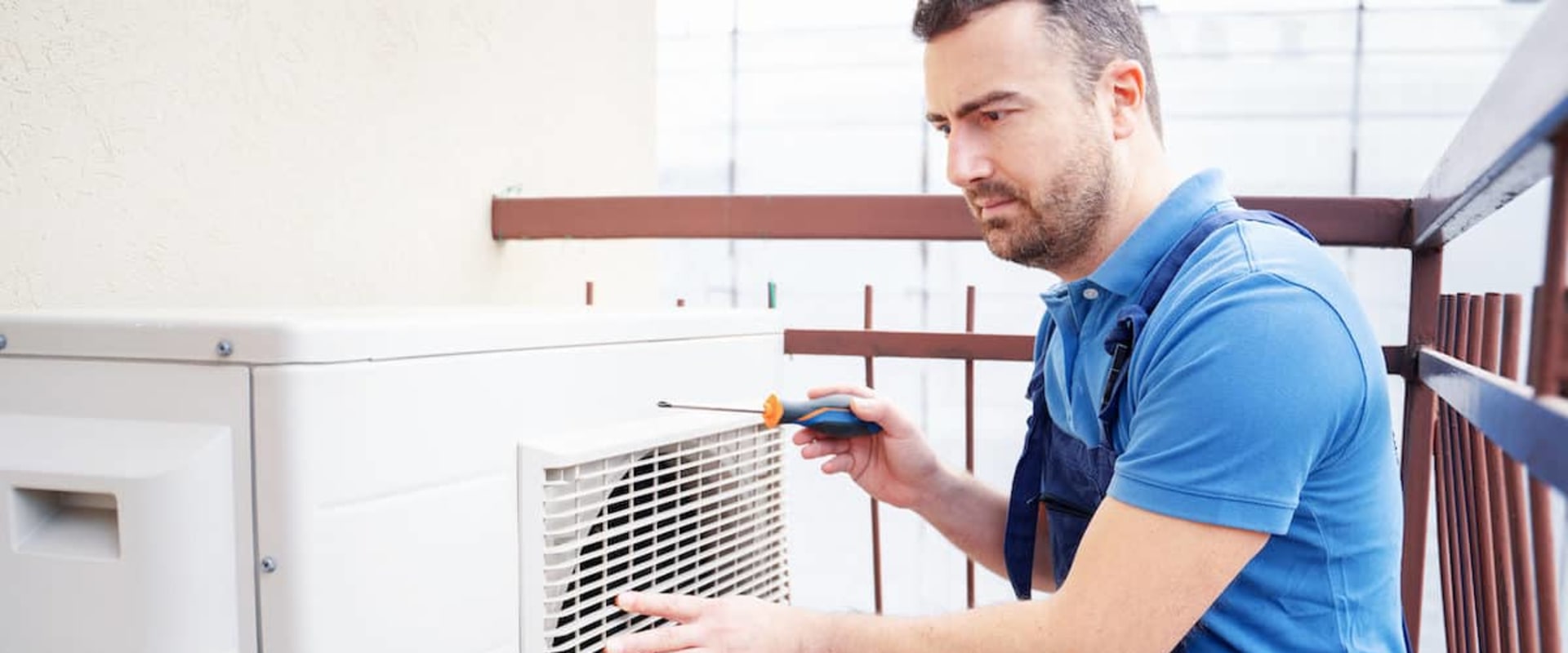
Heating, ventilation, and air conditioning (HVAC) systems play a pivotal role in maintaining a comfortable indoor environment. These systems are designed to regulate temperature, humidity, and air quality, ensuring that your home remains a sanctuary regardless of the weather outside. Understanding the components and functions of HVAC systems is essential for homeowners who wish to optimize their energy efficiency and comfort levels. At the core of any HVAC system are three primary functions: heating, cooling, and ventilation. The heating component typically involves a furnace or heat pump that warms the air before it circulates through your home.
Conversely, the cooling aspect is managed by an air conditioning unit that cools and dehumidifies the air. Ventilation is crucial as it ensures a continuous flow of fresh air while removing stale air, which is vital for maintaining good indoor air quality. Together, these elements work harmoniously to create a balanced atmosphere that promotes health and comfort. Regular maintenance of your HVAC system is not just a recommendation; it is a necessity for several reasons. First and foremost, routine check-ups can significantly enhance the efficiency of your system, leading to lower energy bills.
A well-maintained HVAC system operates more effectively, reducing the strain on its components and extending its lifespan. Additionally, regular maintenance helps identify potential issues before they escalate into costly repairs or complete system failures. By investing in HVAC services, you are not only safeguarding your comfort but also ensuring that your home remains energy-efficient and environmentally friendly.
The Benefits of Regular HVAC Maintenance
Regular HVAC maintenance offers a multitude of benefits that can significantly enhance the performance and longevity of your heating and cooling systems. Understanding these advantages can help homeowners appreciate the value of investing in HVAC services.Improved Energy Efficiency
One of the most compelling reasons to schedule regular maintenance is the improvement in energy efficiency.
Over time, dust, dirt, and debris can accumulate in your HVAC system, causing it to work harder to maintain the desired temperature. This increased workload not only strains the system but also leads to higher energy consumption. A well-maintained system operates more efficiently, which translates to lower energy bills.
Cost Savings on Repairs
Another significant benefit of routine maintenance is the potential for cost savings on repairs. Regular inspections allow technicians to identify and address minor issues before they escalate into major problems that require expensive repairs or even complete system replacements.
For instance, a small refrigerant leak can be easily fixed during a maintenance visit, whereas neglecting it could lead to compressor failure, which is a costly repair.
Extended System Lifespan
HVAC systems are a substantial investment for homeowners, and extending their lifespan is crucial for maximizing that investment. Regular maintenance helps ensure that all components are functioning optimally, reducing wear and tear. Systems that receive consistent care can last several years longer than those that are neglected. This longevity not only saves money on replacement costs but also minimizes the environmental impact associated with disposing of old units.
Enhanced Indoor Air Quality
In addition to energy efficiency and cost savings, regular HVAC maintenance contributes to improved indoor air quality.
Dirty filters and ducts can circulate allergens, dust, and other pollutants throughout your home. During maintenance visits, technicians clean or replace filters and check ductwork for leaks or blockages, ensuring that the air you breathe is clean and healthy.
Increased Comfort
A well-maintained HVAC system provides consistent heating and cooling, enhancing overall comfort in your home. Regular maintenance ensures that your system can effectively manage temperature fluctuations and humidity levels, creating a more pleasant living environment.In summary, the benefits of regular HVAC maintenance extend beyond mere convenience; they encompass energy efficiency, cost savings on repairs, extended system lifespan, improved indoor air quality, and increased comfort. By prioritizing routine maintenance through professional HVAC services, homeowners can enjoy these advantages while ensuring their systems operate at peak performance.
Signs Your HVAC System Needs Maintenance
Recognizing the signs that your HVAC system needs maintenance is crucial for ensuring its efficiency and longevity.Many homeowners may overlook subtle indicators, but being proactive can save you from costly repairs and uncomfortable living conditions. Here are some common signs that suggest it’s time to schedule HVAC services.
- Inconsistent Temperatures: If you notice that certain rooms in your home are significantly warmer or cooler than others, it could indicate an issue with your HVAC system. This inconsistency may stem from blocked ducts, a malfunctioning thermostat, or even a failing compressor.
- Unusual Noises: Sounds such as banging, clanking, or hissing coming from your HVAC unit are red flags. These noises often signal mechanical issues that require immediate attention.
Ignoring them can lead to more severe damage and higher repair costs.
- Increased Energy Bills: A sudden spike in your energy bills without a corresponding increase in usage can indicate that your HVAC system is working harder than it should. This inefficiency may be due to dirty filters, low refrigerant levels, or other underlying problems.
- Frequent Cycling: If your HVAC system turns on and off more frequently than usual, it may be struggling to maintain the desired temperature. This can be caused by an oversized unit, dirty coils, or issues with the thermostat.
- Bad Odors: Foul smells emanating from your HVAC system can indicate mold growth or burnt-out components. If you detect any strange odors, it’s essential to have a professional inspect the system immediately.
- Humidity Issues: An effective HVAC system should regulate humidity levels in your home.
If you find that your home feels excessively humid or dry, it may be time for maintenance to ensure proper airflow and moisture control.
Essential HVAC Maintenance Tasks
To ensure your HVAC system operates at peak efficiency, it’s essential to follow a comprehensive HVAC maintenance checklist. Regular maintenance not only prolongs the life of your system but also enhances its performance and energy efficiency.Below are some critical tasks that should be included in your routine maintenance schedule:
- Change or Clean Air Filters: One of the simplest yet most effective maintenance tasks is to regularly change or clean your air filters. Clogged filters restrict airflow, making your system work harder and less efficiently. Aim to check your filters monthly and replace them every 1-3 months, depending on usage.
- Inspect Ductwork: Leaky ducts can lead to significant energy loss. Inspect your ductwork for any signs of damage or disconnections.
Sealing leaks can improve efficiency and indoor air quality.
- Clean the Condenser Coils: The outdoor unit's condenser coils can accumulate dirt and debris over time. Cleaning these coils at least once a year helps maintain optimal heat exchange and efficiency.
- Check Thermostat Settings: Ensure that your thermostat is functioning correctly and set to the appropriate temperature. Consider upgrading to a programmable thermostat for better energy management.
- Inspect Electrical Components: Regularly check electrical connections and components for wear and tear. Loose connections can lead to system failures or even pose fire hazards.
- Clear Drain Lines: Clogged condensate drain lines can cause water damage and increase humidity levels in your home.
Use a wet/dry vacuum to clear any blockages.
- Lubricate Moving Parts: To reduce friction and wear, lubricate moving parts such as motors and bearings as recommended by the manufacturer.
Professional HVAC Services: What to Expect
When you decide to hire professional HVAC services, it’s essential to know what to expect from the process. Understanding the typical procedures and costs involved can help you make informed decisions and ensure that your HVAC system receives the care it needs.Initial Consultation and Assessment
The first step in any professional HVAC service is usually an initial consultation.During this phase, a qualified technician will visit your home to assess your HVAC system. They will check the unit's overall condition, inspect ductwork, and evaluate the efficiency of your heating and cooling systems. This assessment is crucial as it helps identify any existing issues and allows the technician to recommend appropriate solutions.
Typical Procedures During Service
Once the assessment is complete, the technician will perform a series of standard procedures, which may include:- Cleaning: Dust and debris can accumulate in your HVAC system, affecting its efficiency. Technicians will clean components such as filters, coils, and drain lines.
- Inspection: A thorough inspection of all parts of the system, including electrical connections, refrigerant levels, and thermostat functionality, ensures everything is operating correctly.
- Repairs: If any issues are identified during the inspection, technicians will provide recommendations for repairs.
This could range from replacing a faulty thermostat to fixing refrigerant leaks.
- System Tune-Up: Regular tune-ups help maintain efficiency. This includes lubricating moving parts, checking airflow, and calibrating thermostats.
Cost Considerations
The cost of hiring HVAC technicians can vary widely based on several factors:- Type of Service: Routine maintenance is generally less expensive than emergency repairs or system installations.
- Location: Service costs can differ based on geographic location and local market rates.
- System Type: The complexity of your HVAC system can also influence pricing. For instance, a multi-zone system may require more time and expertise than a single-zone unit.
Understanding these processes and their associated costs can help you maintain your HVAC system effectively while ensuring comfort in your home.
Creating a Maintenance Schedule for Your HVAC System
Creating a well-structured maintenance schedule for your HVAC system is essential for ensuring its longevity and efficiency. By aligning your maintenance tasks with seasonal changes and your system's usage patterns, you can prevent unexpected breakdowns and costly repairs.Understanding Seasonal Needs
Your HVAC system faces different demands throughout the year. In the summer, air conditioning units work overtime to keep your home cool, while in the winter, heating systems are crucial for comfort. Therefore, it’s important to tailor your maintenance schedule to these seasonal needs.- Spring Maintenance: Before the heat of summer sets in, schedule a comprehensive inspection of your air conditioning system.
This should include cleaning or replacing filters, checking refrigerant levels, and ensuring that all components are functioning properly.
- Fall Maintenance: As temperatures drop, focus on your heating system. Inspect the furnace or heat pump, clean ducts, and check for any signs of wear or damage. This is also a good time to replace filters to ensure optimal airflow.
Establishing an Annual Service Plan
In addition to seasonal checks, consider establishing an annual service plan with a qualified HVAC technician. This plan can include:- Biannual Inspections: Schedule professional inspections twice a year—once in spring and once in fall—to catch any potential issues early.
- Regular Filter Changes: Depending on usage, change or clean filters every 1-3 months.
Clogged filters can restrict airflow and reduce efficiency.
- System Cleanings: Ensure that both indoor and outdoor units are cleaned regularly to prevent dust and debris buildup that can hinder performance.
Monitoring Usage Patterns
Your HVAC system's usage patterns can also influence your maintenance schedule. If you frequently adjust the thermostat or use your system more than average, consider increasing the frequency of maintenance tasks. For instance:- If you have pets or live in a dusty area, you may need to change filters more often.
- If you notice unusual noises or fluctuations in temperature, don’t wait for the next scheduled maintenance; address these issues immediately.
FAQs About HVAC Maintenance
When it comes to HVAC maintenance, many homeowners have questions that can often lead to confusion or misconceptions.Here, we address some of the most frequently asked questions regarding HVAC care, providing expert insights to help you better understand the importance of regular maintenance.
1.How often should I schedule HVAC maintenance?
It is generally recommended to have your HVAC system serviced at least once a year. For systems that include both heating and cooling functions, such as heat pumps, a biannual service—once in the spring and once in the fall—is ideal. This ensures that your system is prepared for seasonal changes and operates efficiently throughout the year.2.What does an HVAC maintenance service include?
A comprehensive HVAC service typically includes:- Inspection of all components, including the compressor, evaporator coil, and condenser.
- Cleaning or replacing air filters to improve airflow and efficiency.
- Checking refrigerant levels and inspecting for leaks.
- Testing thermostat accuracy and calibrating if necessary.
- Inspecting ductwork for leaks or blockages.
- Lubricating moving parts to reduce wear and tear.
3.Why is regular HVAC maintenance important?
Regular maintenance is crucial for several reasons:- Efficiency: A well-maintained system operates more efficiently, which can lead to lower energy bills.
- Lifespan: Routine care can extend the lifespan of your HVAC system, saving you money on premature replacements.
- Comfort: Regular checks ensure that your home remains comfortable year-round by preventing unexpected breakdowns.
- Air Quality: Maintenance helps improve indoor air quality by ensuring that filters are clean and systems are free from mold or dust buildup.
4.Can I perform HVAC maintenance myself?
While some basic tasks, such as changing air filters, can be done by homeowners, it is advisable to leave comprehensive maintenance to professionals. Technicians have the training and tools necessary to identify potential issues that may not be visible to the untrained eye.5.What are the signs that my HVAC system needs maintenance?
If you notice any of the following signs, it may be time to schedule a maintenance service:- Your system is making unusual noises.
- You experience inconsistent temperatures throughout your home.
- Your energy bills have increased without a change in usage.
- You notice poor airflow from vents.
Conclusion: Prioritizing Your HVAC Maintenance for Long-Term Comfort
In summary, the significance of regular HVAC maintenance cannot be overstated.By prioritizing these essential services, homeowners can ensure their heating and cooling systems operate efficiently, providing a comfortable living environment throughout the year. Here are some key takeaways to consider:
- Annual Inspections: Scheduling professional inspections at least once a year is crucial. These check-ups help identify potential issues before they escalate into costly repairs.
- Energy Efficiency: Regular maintenance not only extends the lifespan of your HVAC system but also enhances its energy efficiency. A well-maintained system consumes less energy, leading to lower utility bills.
- Comfort Levels: An HVAC system that receives consistent care is more likely to maintain stable indoor temperatures, ensuring your home remains comfortable regardless of the season.
- Preventative Measures: Addressing minor issues during routine maintenance can prevent major breakdowns.
This proactive approach saves both time and money in the long run.
- Professional Expertise: Relying on qualified HVAC services ensures that your system is handled by experts who understand the intricacies of heating and cooling technology.