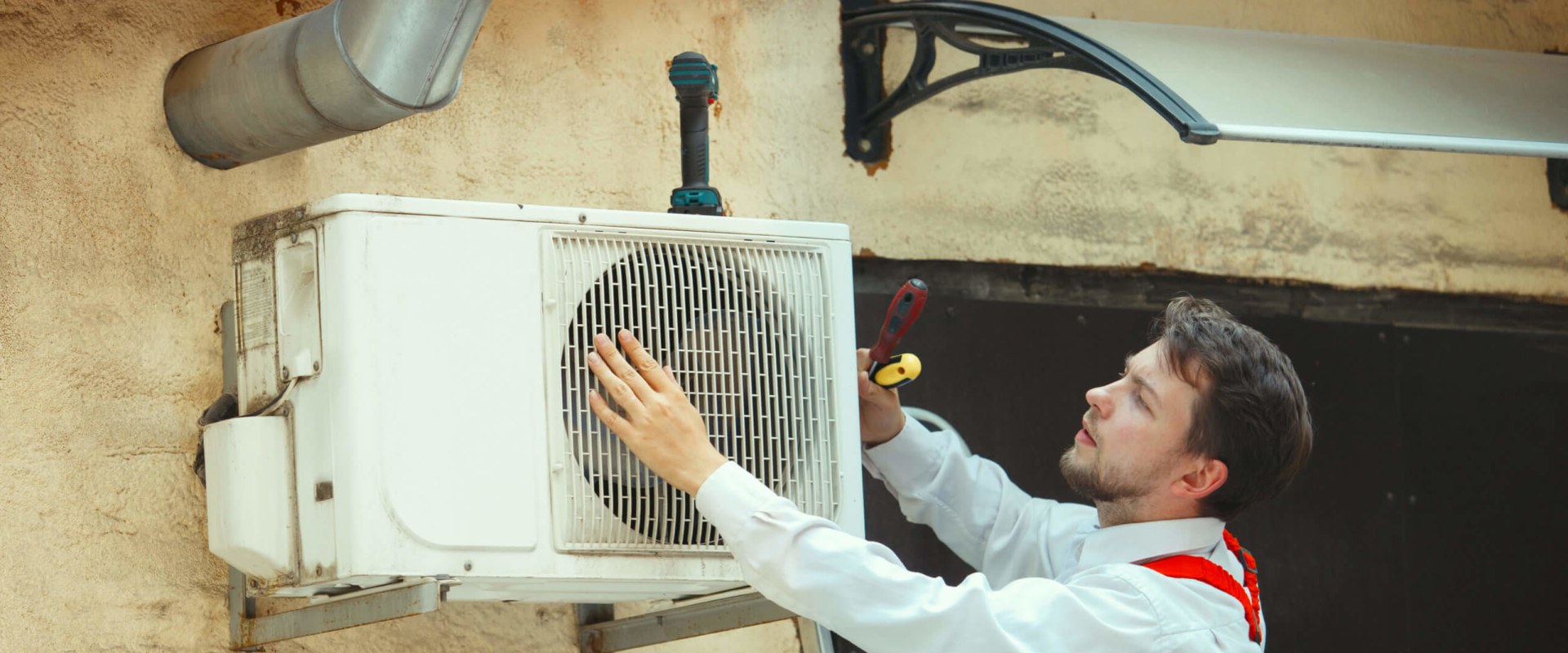
Understanding HVAC systems is essential for homeowners who want to maintain a comfortable and healthy living environment. HVAC stands for Heating, Ventilation, and Air Conditioning, and it encompasses the technology used to regulate indoor temperatures, humidity levels, and air quality. A well-functioning HVAC system not only keeps your home cozy during the winter months but also ensures that you stay cool and refreshed in the summer heat. By grasping the fundamentals of how these systems operate, you can better appreciate the significance of regular maintenance.At the heart of any HVAC system are several key components that work together to provide optimal climate control.
These include the furnace or heat pump for heating, the air conditioner for cooling, ductwork for air distribution, and ventilation systems that bring in fresh air while expelling stale air. Each component plays a vital role in ensuring that your home remains comfortable year-round. For instance, the furnace generates heat, while the air conditioner cools the air; both rely on a network of ducts to circulate conditioned air throughout your living spaces.Understanding how an HVAC system works involves recognizing the flow of air and energy within your home. When you set your thermostat to a desired temperature, the HVAC system responds by activating either the heating or cooling components as needed.
The heated or cooled air is then pushed through the ductwork and into various rooms via vents. This process not only regulates temperature but also helps maintain indoor air quality by filtering out pollutants and allergens. Regular maintenance ensures that all these components function efficiently, preventing breakdowns and extending the lifespan of your system.
The Importance of Regular HVAC Maintenance
Regular HVAC maintenance is not just a recommendation; it is a necessity for homeowners who wish to ensure the longevity and efficiency of their heating and cooling systems. The importance of HVAC maintenance can be understood through several key benefits that directly impact both your comfort and your wallet.Improved Efficiency
One of the primary reasons to invest in regular HVAC maintenance is the significant improvement in system efficiency.
Over time, dust, dirt, and debris can accumulate in your HVAC system, leading to blockages and reduced airflow. This not only forces your system to work harder but also increases energy consumption. A well-maintained system operates more efficiently, which translates to lower energy bills. In fact, studies have shown that regular maintenance can improve energy efficiency by up to 30%.
Cost Savings
While some homeowners may view regular maintenance as an unnecessary expense, it is essential to consider the long-term savings it can provide.
By identifying and addressing minor issues before they escalate into major problems, you can avoid costly repairs or even premature system replacements. For instance, a simple cleaning of the condenser coils or replacing a worn-out filter can prevent a breakdown that might require expensive repairs. Additionally, many HVAC service providers offer maintenance plans that include discounts on repairs and priority service, further enhancing your savings.
Enhanced Indoor Air Quality
The quality of the air inside your home is crucial for your family's health and well-being. Regular HVAC maintenance plays a vital role in ensuring that your indoor air remains clean and free from pollutants.
During routine checks, technicians will clean or replace air filters, inspect ductwork for leaks or blockages, and ensure that all components are functioning correctly. This proactive approach helps reduce allergens, dust, and other harmful particles in the air, contributing to a healthier living environment.
Increased Comfort
A well-maintained HVAC system provides consistent heating and cooling throughout your home. Regular maintenance ensures that your system operates at optimal performance levels, preventing hot or cold spots in different areas of your house. This consistency not only enhances comfort but also contributes to a more enjoyable living space.
Extended Lifespan of Your System
Investing in regular maintenance can significantly extend the lifespan of your HVAC system.
Just like any other mechanical system, regular care and attention can prevent wear and tear that leads to breakdowns. Most HVAC systems are designed to last between 10 to 15 years; however, with proper maintenance, many systems can exceed this lifespan by several years.In conclusion, the importance of regular HVAC maintenance cannot be overstated. From improved efficiency and cost savings to enhanced indoor air quality and increased comfort, the benefits are clear. By prioritizing routine maintenance for your HVAC system, you are making a wise investment in your home’s comfort and safety.
Key Components of HVAC Maintenance
Regular HVAC maintenance is essential for ensuring the longevity and efficiency of your heating and cooling systems.A comprehensive HVAC maintenance checklist can help homeowners understand what to expect during a service visit and ensure that no critical components are overlooked. Below are the key components that should be included in any thorough HVAC maintenance service.
1.Air Filter Inspection and Replacement
The air filter is one of the most crucial components of your HVAC system. It traps dust, dirt, and allergens, preventing them from circulating in your home. During maintenance, technicians will:- Inspect the air filter for dirt and blockages.
- Replace it if necessary, typically every 1-3 months depending on usage.
2.Ductwork Examination
Dirty or damaged ductwork can significantly impact your system's efficiency and indoor air quality.Technicians will:
- Check for leaks or gaps in the ductwork.
- Inspect for dust accumulation and clean as needed.
3.Thermostat Calibration
A properly functioning thermostat ensures that your HVAC system operates efficiently. During maintenance, technicians will:- Test the thermostat settings to ensure accurate temperature readings.
- Calibrate it if necessary to improve performance.
4.Electrical Components Check
The electrical components of your HVAC system are vital for its operation. Technicians will:- Inspect all electrical connections for signs of wear or corrosion.
- Test the capacitors and contactors to ensure they are functioning correctly.
5.Condenser and Evaporator Coil Cleaning
The coils in your HVAC system play a significant role in heat exchange. Dirty coils can lead to reduced efficiency and increased energy costs.During maintenance, technicians will:
- Clean both the condenser and evaporator coils to remove dirt and debris.
- Check for any signs of damage or corrosion.
6.Refrigerant Level Check
The refrigerant is essential for cooling your home effectively. Technicians will:- Check refrigerant levels to ensure they are within manufacturer specifications.
- Look for any signs of leaks that could affect performance.
7.System Performance Testing
A final performance test is crucial to ensure everything is functioning as it should. Technicians will:- Run the system through its heating and cooling cycles.
- Monitor airflow and temperature differentials to confirm optimal operation.
Signs Your HVAC System Needs Maintenance
Recognizing the signs that your HVAC system needs maintenance is crucial for ensuring its longevity and efficiency.Ignoring these indicators can lead to more significant problems down the line, resulting in costly repairs or even complete system failure. Here are some common signs that suggest it’s time to call in HVAC services.
- Unusual Noises: If your HVAC system starts making strange sounds such as banging, clanking, or hissing, it could indicate a mechanical issue. These noises often signal loose parts, worn-out components, or even airflow obstructions.
- Inconsistent Temperatures: Are some rooms in your home significantly warmer or cooler than others? This inconsistency can point to ductwork issues, a malfunctioning thermostat, or problems with the HVAC unit itself.
- Increased Energy Bills: A sudden spike in your energy bills without a corresponding increase in usage can be a red flag. An inefficient HVAC system often works harder to maintain desired temperatures, leading to higher energy costs.
- Frequent Cycling: If your HVAC system turns on and off more frequently than usual, it may be struggling to maintain the set temperature.
This short cycling can lead to wear and tear on the system and should be addressed promptly.
- Poor Air Quality: If you notice an increase in dust, allergens, or unpleasant odors in your home, it may be time for an HVAC check-up. Dirty filters or ductwork can significantly impact indoor air quality.
- Humidity Issues: An HVAC system should effectively regulate humidity levels. If you find that your home feels excessively humid or dry, it may indicate that your system is not functioning correctly.
- Foul Odors: Unpleasant smells emanating from your HVAC system can indicate mold growth or electrical issues. If you detect any strange odors, it’s essential to have a professional inspect the unit immediately.
Early intervention can prevent minor issues from escalating into major repairs and ensure that your heating and cooling systems operate efficiently year-round.
DIY vs. Professional HVAC Maintenance
When it comes to maintaining your HVAC system, homeowners often face a choice between DIY HVAC maintenance and hiring professional HVAC services. Each approach has its own set of advantages and disadvantages, and understanding these can help you make an informed decision about the best way to care for your heating and cooling system.DIY HVAC Maintenance
- Cost-Effective: One of the primary reasons homeowners opt for DIY maintenance is the potential cost savings. Simple tasks such as changing air filters, cleaning vents, and checking thermostat settings can be done without professional help.
- Empowerment: Engaging in DIY maintenance can give homeowners a sense of empowerment and control over their home environment.
It allows you to learn more about how your HVAC system operates.
- Immediate Action: Performing basic maintenance tasks on your own means you can address issues as they arise without waiting for a technician's availability.
- Lack of Expertise: Many homeowners may not have the technical knowledge required to identify underlying issues that could lead to significant problems down the line.
- Safety Risks: Working with electrical components or refrigerants can pose safety hazards if not handled correctly. Without proper training, you could inadvertently cause damage to your system or injure yourself.
- Incomplete Maintenance: DIY efforts may overlook critical components that require professional attention, such as duct cleaning or refrigerant level checks.
Professional HVAC Services
- Comprehensive Inspections: Hiring a professional HVAC technician ensures that all aspects of your system are thoroughly inspected. They have the training and experience to identify issues that may not be visible to the untrained eye.
- Advanced Tools and Techniques: Professionals come equipped with specialized tools and techniques that allow them to perform maintenance tasks more effectively than most homeowners could on their own.
- Long-Term Savings: While there is an upfront cost associated with professional services, regular maintenance can prevent costly repairs in the future, ultimately saving you money.
A balanced approach that includes both DIY tasks and regular professional check-ups will ensure your HVAC system operates efficiently and effectively for years to come.
The Role of HVAC Services in Energy Efficiency
When it comes to managing household expenses, energy bills often take a significant chunk out of the budget. One of the most effective ways to reduce these costs is through regular HVAC services. A well-maintained heating, ventilation, and air conditioning system not only enhances comfort but also plays a crucial role in improving energy efficiency.Regular maintenance of your HVAC system ensures that all components are functioning optimally. Over time, dust and debris can accumulate in filters, ducts, and coils, leading to reduced airflow and increased energy consumption.When your system has to work harder to maintain the desired temperature, it results in higher energy bills. By scheduling routine check-ups, you can keep your system clean and efficient.
How Maintenance Affects Energy Bills
One of the primary benefits of regular HVAC maintenance is its direct impact on energy bills. According to the U. S.Department of Energy, proper maintenance can improve your system's efficiency by up to 30%. This means that a small investment in routine services can lead to substantial savings over time.
- Filter Replacement: Regularly changing or cleaning filters can significantly enhance airflow and efficiency. Clogged filters restrict airflow, forcing your system to work harder.
- Coil Cleaning: Dirty evaporator and condenser coils can reduce your system's ability to absorb and expel heat, leading to increased energy usage.
- Thermostat Calibration: Ensuring that your thermostat is accurately calibrated helps maintain the desired temperature without unnecessary energy expenditure.
Energy-Saving Tips for HVAC Systems
In addition to regular maintenance, there are several energy-saving tips that homeowners can implement to further enhance their HVAC system's efficiency:- Utilize Programmable Thermostats: These devices allow you to set specific temperatures for different times of the day, reducing energy use when you're not home.
- Seal Ducts: Leaky ducts can waste a significant amount of energy. Sealing and insulating ducts can improve efficiency and comfort.
- Invest in Energy-Efficient Equipment: If your HVAC system is outdated, consider upgrading to a more energy-efficient model that meets current standards.
By ensuring that your system operates at peak performance, you not only save money but also contribute to a more sustainable environment. Don't overlook the importance of maintenance; it’s a small price to pay for long-term savings and comfort.
Choosing the Right HVAC Service Provider
Choosing the right HVAC services provider is crucial for ensuring that your heating and cooling systems operate efficiently and reliably. With so many options available, it can be overwhelming to determine which company will best meet your needs. Here are some essential factors to consider when selecting an HVAC service provider:- Experience and Expertise: Look for a company with a proven track record in the industry.
An experienced technician will have the knowledge to handle various HVAC systems and issues effectively.
- Licensing and Insurance: Ensure that the HVAC provider is licensed to operate in your state and carries adequate insurance. This protects you from liability in case of accidents or damages during service.
- Customer Reviews and Testimonials: Research online reviews and ask for references from previous clients. Positive feedback can give you confidence in the quality of their work.
- Service Offerings: Check if the company provides a comprehensive range of services, including installation, maintenance, and emergency repairs. A one-stop-shop can save you time and hassle.
- Pricing Transparency: Request detailed estimates before any work begins.
A reputable provider should be upfront about costs, including labor, parts, and any potential additional fees.
- What is your experience with my specific HVAC system? This question helps you understand if they have the necessary expertise for your particular model.
- Can you provide references from past clients? Speaking with previous customers can give you insight into their satisfaction with the service.
- What warranties do you offer on parts and labor? A good warranty indicates confidence in their work and provides peace of mind for you as a homeowner.
- How do you handle emergency repairs? Knowing their protocol for urgent situations can help you feel secure in case of unexpected breakdowns.
- What maintenance plans do you offer? Regular maintenance is key to prolonging the life of your HVAC system, so inquire about any available plans that suit your needs.
Cost of Regular HVAC Maintenance: What to Expect
Understanding the cost of regular HVAC maintenance is crucial for homeowners who want to ensure their heating and cooling systems operate efficiently without breaking the bank. While the initial thought of maintenance costs may seem daunting, it’s essential to view these expenses as an investment in your home’s comfort and energy efficiency.On average, homeowners can expect to pay between $100 and $300 for a standard HVAC maintenance service. This price can vary based on several factors, including:- Location: Service costs can differ significantly depending on your geographical area. Urban centers may have higher rates due to increased demand and operational costs.
- Service Provider: Different HVAC companies have varying pricing structures.
It’s advisable to compare quotes from multiple providers to find a service that fits your budget while still offering quality.
- Type of System: The complexity of your HVAC system also plays a role in pricing. For instance, a central air conditioning unit may require more extensive maintenance than a window unit, leading to higher costs.
- Regular Check-Ups: Scheduled visits throughout the year to ensure your system is functioning optimally.
- Discounted Services: Members often receive reduced rates on repairs and parts, which can offset the cost of routine maintenance.
- Priority Service: In case of emergencies, plan members usually receive faster response times, ensuring that you’re not left without heating or cooling when you need it most.
This proactive approach not only helps you manage costs but also ensures that your system remains in peak condition, potentially avoiding costly repairs down the line.In conclusion, while the cost of regular HVAC maintenance may seem like an added expense, it is a small price to pay for the benefits of improved efficiency, enhanced indoor air quality, and prolonged system lifespan. By investing in these services, you are safeguarding your home’s comfort and ensuring peace of mind for years to come.
FAQs About HVAC Maintenance Services
When it comes to HVAC services, many homeowners have questions and concerns that can affect their decision to invest in regular maintenance. Here, we address some of the most frequently asked questions to provide clarity and reassurance.What is included in HVAC maintenance services?
HVAC maintenance services typically encompass a comprehensive inspection and tune-up of your heating and cooling systems. This includes:- Checking and replacing air filters
- Inspecting ductwork for leaks or blockages
- Cleaning coils and condensate drains
- Testing thermostat accuracy
- Lubricating moving parts to reduce friction
- Examining electrical connections for safety
How often should I schedule HVAC maintenance?
It is generally recommended to schedule HVAC maintenance at least twice a year—once in the spring for your air conditioning system and once in the fall for your heating system.This biannual approach allows technicians to catch potential issues before they escalate, ensuring your home remains comfortable year-round.
What are the benefits of regular HVAC maintenance?
Regular maintenance offers numerous advantages, including:- Improved energy efficiency: A well-maintained system uses less energy, which can lead to lower utility bills.
- Enhanced indoor air quality: Routine cleaning reduces dust, allergens, and pollutants circulating in your home.
- Extended equipment lifespan: Regular check-ups can help identify issues early, preventing costly repairs or replacements.
- Increased comfort: A properly functioning HVAC system maintains consistent temperatures throughout your home.
What should I do if my HVAC system breaks down?
If your HVAC system fails, it’s crucial to contact a professional HVAC service provider immediately. Many companies offer emergency services, ensuring that you receive prompt assistance. Additionally, being a member of a maintenance program can often provide you with priority service during emergencies.By understanding these common questions about HVAC services, homeowners can make informed decisions regarding their heating and cooling systems. Regular maintenance not only enhances comfort but also safeguards your investment in your home’s climate control systems.Conclusion: The Long-Term Benefits of Regular HVAC Maintenance
In summary, the significance of regular HVAC maintenance cannot be overstated.By prioritizing HVAC services, homeowners can ensure their heating and cooling systems operate efficiently, providing a comfortable living environment year-round. The benefits of routine maintenance extend far beyond immediate comfort; they encompass long-term savings, improved air quality, and enhanced system longevity.One of the most compelling reasons to invest in regular maintenance is the potential for significant cost savings. A well-maintained HVAC system operates more efficiently, which translates to lower energy bills. Department of Energy, regular maintenance can improve your system's efficiency by up to 15%.
This means that not only are you saving money on monthly utility costs, but you are also extending the lifespan of your equipment, delaying the need for costly replacements.Moreover, routine inspections and servicing help identify minor issues before they escalate into major problems. This proactive approach minimizes the risk of unexpected breakdowns, which can be both inconvenient and expensive. For instance, a small refrigerant leak can lead to a complete system failure if not addressed promptly. Regular maintenance allows technicians to catch these issues early, ensuring your system remains in optimal condition.Another critical aspect of HVAC maintenance is its impact on indoor air quality.
Dust, allergens, and pollutants can accumulate in your HVAC system over time, adversely affecting the air you breathe. Regular cleaning and filter changes help mitigate these risks, promoting a healthier home environment for you and your family.Finally, investing in a comprehensive maintenance plan, such as our Stan's Gold Service Club, not only provides peace of mind but also ensures that you receive priority service when emergencies arise. This means that in times of need, you won’t have to wait long for repairs or assistance.In conclusion, the long-term benefits of regular HVAC maintenance are clear: enhanced efficiency, reduced costs, improved air quality, and increased reliability. By committing to routine HVAC services, you are making a wise investment in your home’s comfort and safety.
Don’t wait for problems to arise; take action today to secure a more comfortable tomorrow.